Strider
Version: 1.0.0
33.41MB
4.2
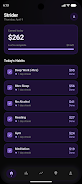
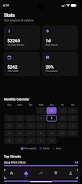
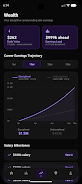
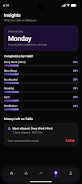
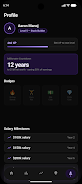
Strider helps you build life-changing routines by turning daily habits into a clear financial picture from day one. Strider assigns research-backed dollar values to small activities so you can move beyond vague consistency advice and see how compounding choices affect long-term outcomes. The first check-in takes minutes, and the app quickly maps your habits into a projection you can revisit daily.
The app centers on simple, repeatable mechanics: add the habits you care about, perform a brief daily check-in, and watch a compound-wealth projection update over time. You can track common categories such as deep work, quality sleep, focused reading, exercise, and alcohol-free days. Each habit entry stores a frequency, a self-assigned difficulty if you choose, and an estimated dollar value drawn from the app's default research-based examples. Check-ins are a single tap to mark success or a quick correction when plans change, which keeps the process frictionless and sustainable.
Strider is optimized for direct, touch-friendly controls that prioritize speed. Primary interactions use taps to record a completed habit and long-press to edit or add notes. Swiping across the main timeline reveals weekly and monthly summaries, while pinch-to-zoom adjusts the projection timeline on the chart. Notifications and custom reminders are configurable so you can choose gentle nudges or fewer prompts, and the interface respects device-level Do Not Disturb settings for uninterrupted focus periods.
Progression in Strider is driven by streaks, milestones and compound projections rather than arbitrary points. As you maintain habits across days and weeks, streak tracking visually reinforces continuity and unlocks milestone badges that celebrate consistency. Built-in challenge systems let you set personal experiments like a 21-day deep work stretch or a month without alcohol, and the app translates those streaks into projected financial gains so you can compare outcomes across different focus periods.
The app adopts a clean, distraction-free dark interface designed for focus and readability. Charts use high-contrast lines and graduated shading to communicate compound growth across daily, weekly and monthly levels. The habit structure is intentionally non-hierarchical: you can arrange daily routines into categories and view them by time horizon, so short-term tasks and long-term commitments both sit clearly on the same timeline. Graphs are interactive, allowing you to tap a point to see the estimated value attributed to that session.
Strider supports meaningful customization without overwhelming options. Rename habits, adjust or override suggested dollar values, set habit recurrence patterns, and choose reminder windows that match your schedule. Theme options are minimal to preserve focus: a dark default mode with adjustable text size and contrast, and a muted light option for daytime use. Templates help you start quickly with common stacks such as productivity, wellness and learning.
Replay value comes from iterating on habits and experimenting with different combinations. Because projections update as you log behavior, users often revisit the app to test alternative routines, compare compounded outcomes, and refine which habits deliver the most personal benefit. Seasonal or monthly habit templates and the ability to duplicate habit groups make it easy to restart or intensify a practice without rebuilding from scratch.
Accessibility features include adjustable font sizes, high-contrast color choices, and support for screen readers so check-ins remain accessible to a broad range of users. Strider stores data locally and operates fully offline for day-to-day tracking; changes sync to the cloud automatically when a connection is available so your history is preserved without requiring constant internet access.
Account security is built into the app with encrypted cloud sync to keep progress backed up across devices. You control what is stored in the cloud and can export raw habit logs for personal analysis. Strider emphasizes privacy and gives clear options to clear local data or delete an account if you choose to end tracking.
Strider frames habits in monetary estimates to help motivate consistent action, but those dollar values are generalized and do not replace personalized financial advice. The app emphasizes tracking, projection and personal experimentation rather than providing in-app coaching or prescriptive therapy. Users who prefer qualitative or non-financial motivation may want to use Strider alongside other reflective practices. Overall, the tool is best suited for people who want a measurable, long-term view of how daily routines accumulate into meaningful outcomes.