Electrolab Y
Version: 1.20.4
25.80MB
4.5
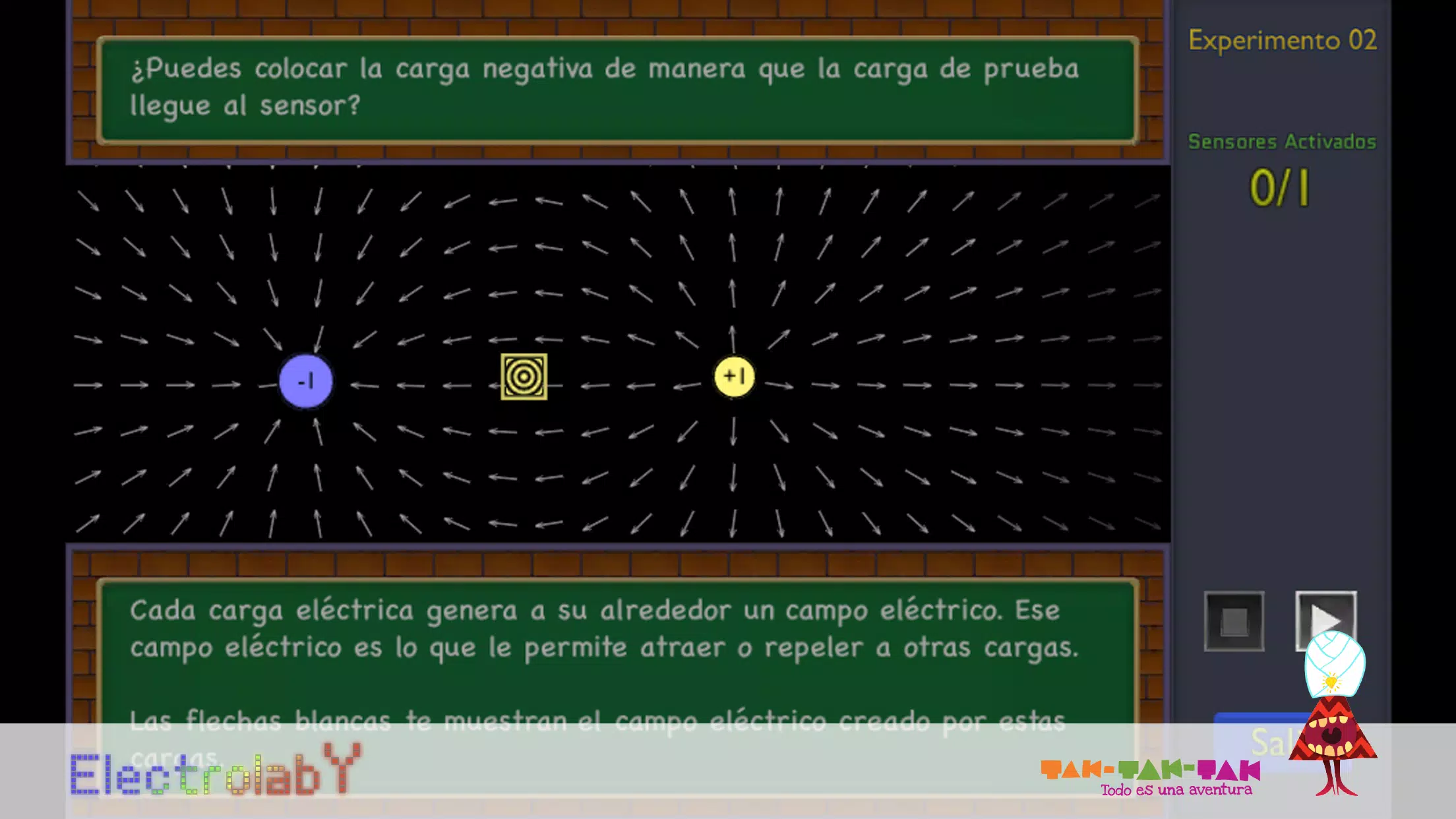
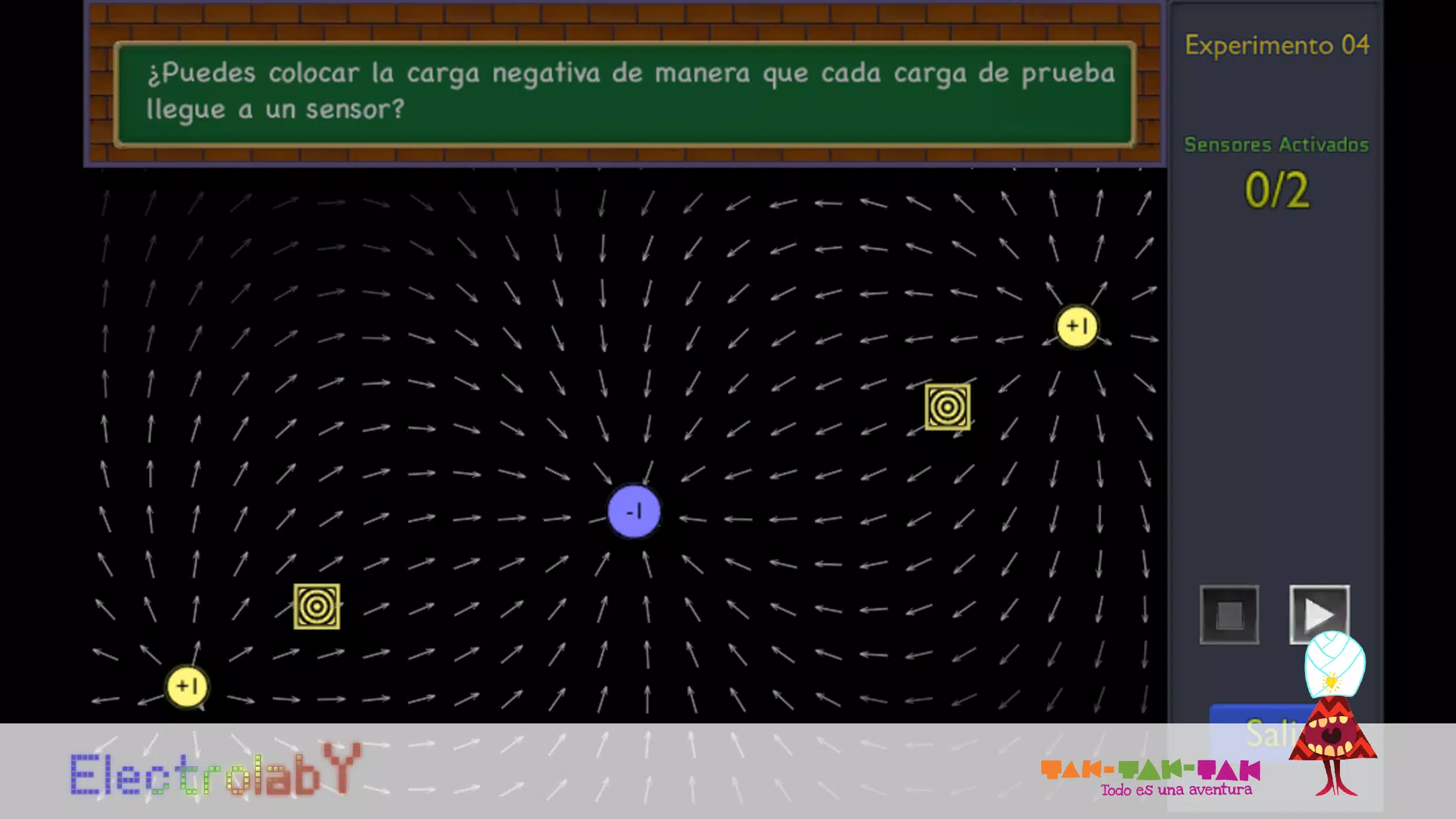
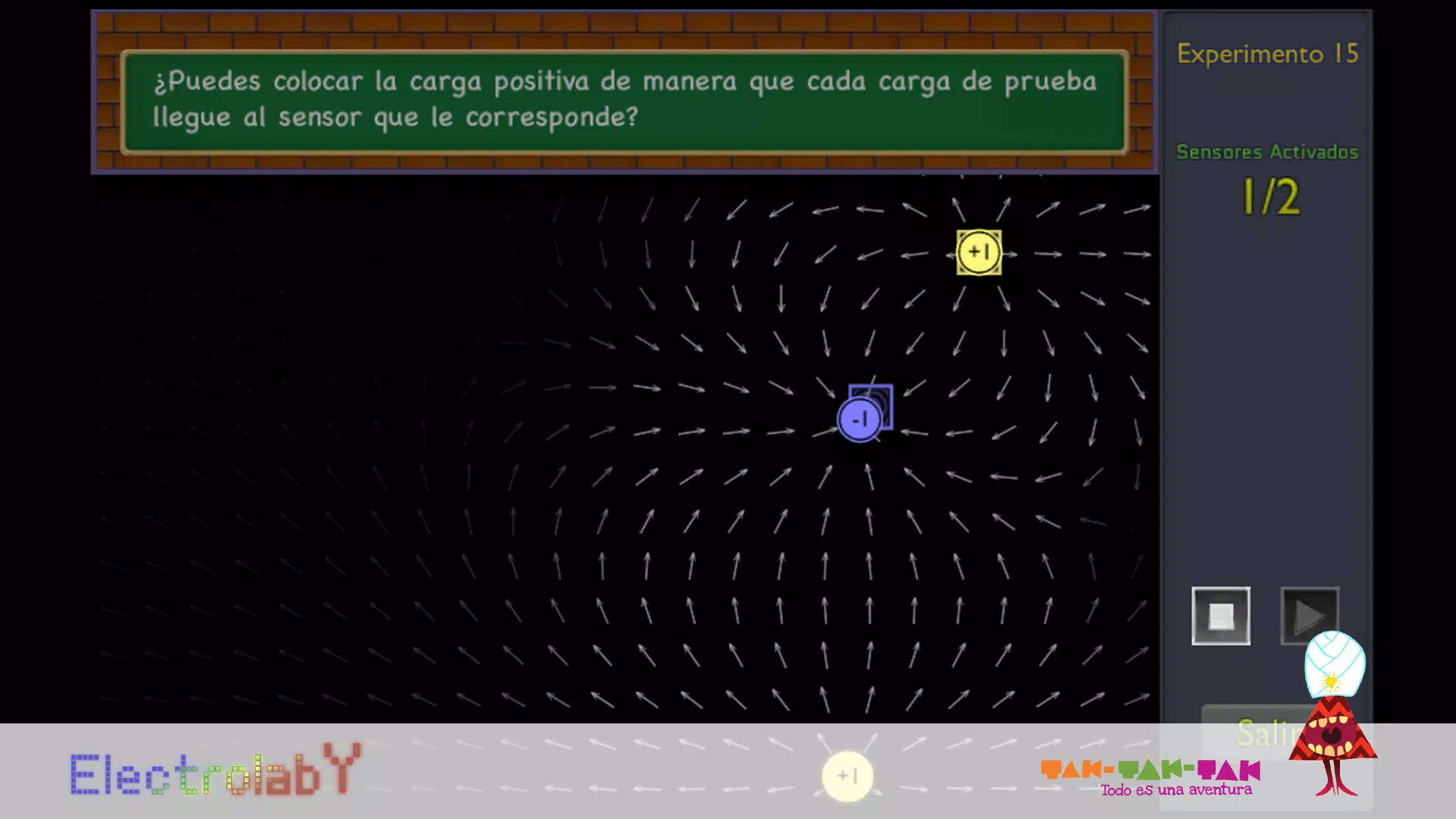
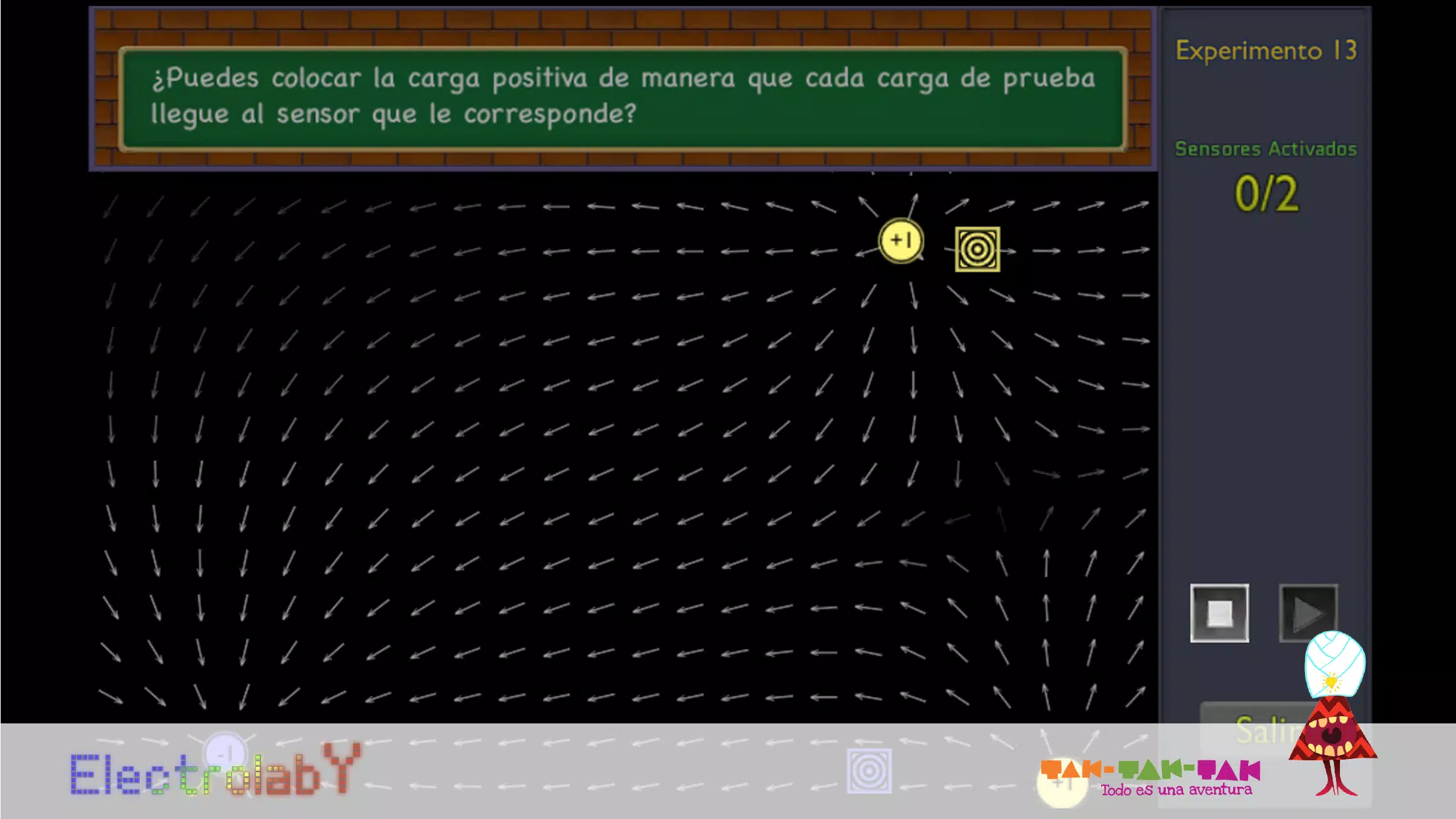
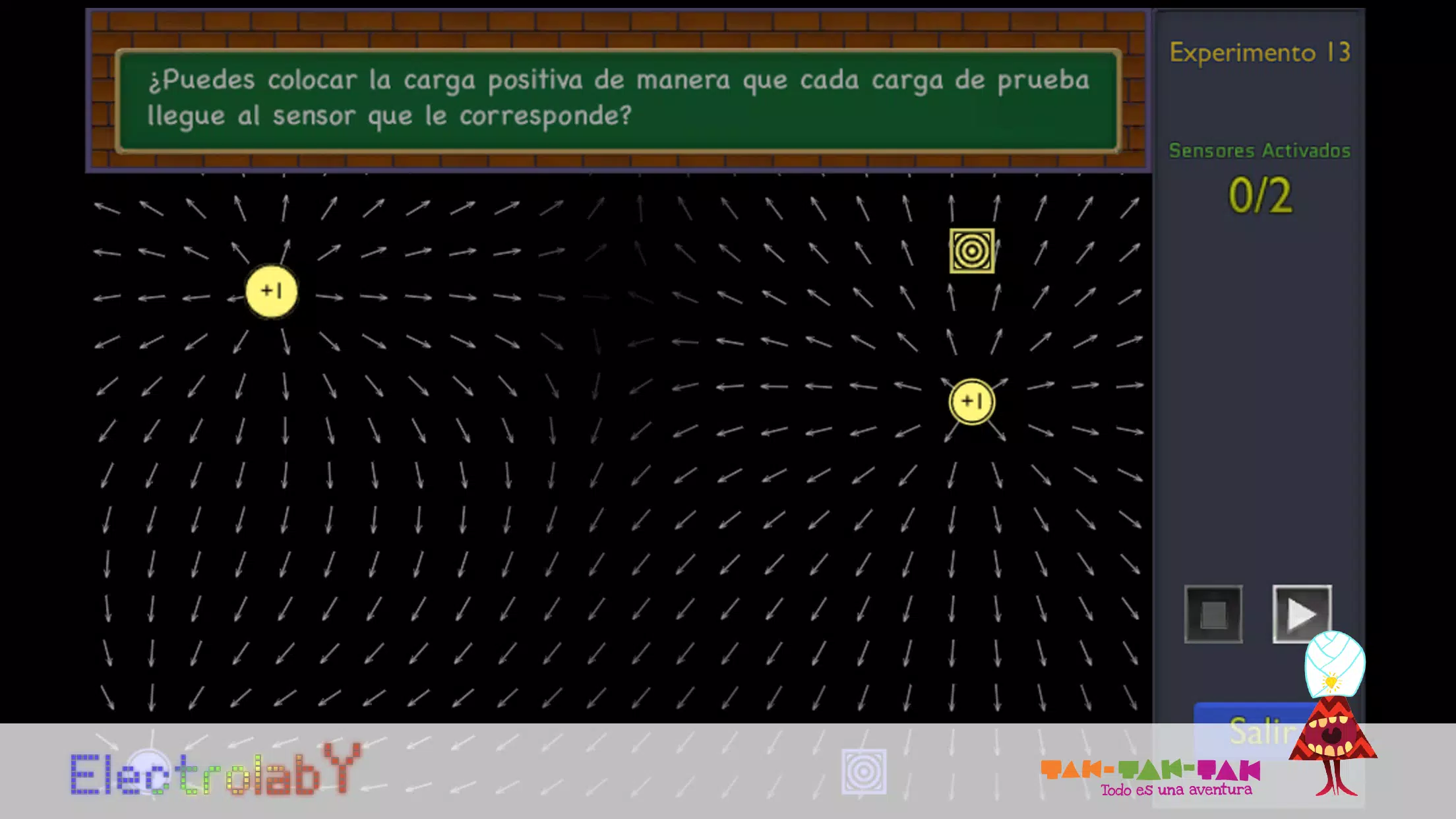
Electrolab Y is an educational app that introduces core electricity concepts through guided, interactive exercises and simulations aimed at children aged 9–12. The app encourages experimentation with electric charges, attraction and repulsion, and basic sign laws so learners can explore ideas concretely while reinforcing classroom lessons. Bilingual support (Spanish and English) and curriculum-aligned content make it suitable for both home study and classroom use, and the interface emphasizes clear, pedagogical progression rather than abstract theory. Teachers and parents will find Electrolab Y useful for turning abstract physics concepts into hands-on learning moments.
⭐ Interactive exercises that let students place and test electric charges to observe attraction, repulsion, and sign rules.
⭐ Content tailored for ages 9–12 with progressive activities that build conceptual understanding.
⭐ Bilingual presentation in Spanish and English to support diverse classrooms and home learners.
⭐ Curriculum-aligned lessons designed to reinforce basic education standards in physics.
⭐ Integration with the developer’s educational collection so learners can access additional titles with the same account.
✅ Helps translate abstract electrical concepts into visual, hands-on activities that support retention.
✅ Suitable for classroom use or at-home practice, complementing teacher-led instruction.
✅ Bilingual support expands accessibility for students in different language contexts.
✅ Developed with academic and scientific input to ensure pedagogical relevance and accuracy.
❎ Focused specifically on basic electricity, so it does not cover broader physics topics in depth.
❎ Targeted age range (9–12) makes it less appropriate for much younger children or older students seeking advanced material.
❎ Best results often require guidance from a teacher or parent rather than fully independent study for younger users.
Electrolab Y was created through a collaboration between educational and software specialists including Cromasoft, Básica Asesores Educativos, and the NGO Inoma, with funding support from national research bodies. The project was developed to align with the basic education curricula of the national ministry, and the team emphasizes scientific accuracy and pedagogical design in their educational interactive titles.