Planea
Version: 1.0.9
44.33MB
4.3
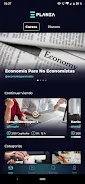
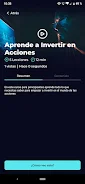
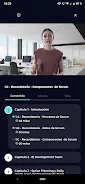
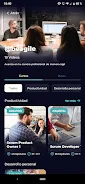
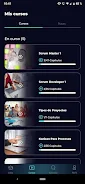
Planea is a learning and teaching platform that connects creators and students in a single, intuitive Android app. Planea makes it simple to publish lessons, combine video, audio and text resources, and build a clear learning path for students who want to master practical skills at their own pace. The app targets independent instructors, small teams, and learners who prefer self-directed study rather than complex technical systems or bulky LMS installations.
The core of Planea is a flexible content system that supports multiple media types and lesson structures without forcing a single format. Creators can assemble a course out of short video segments, longer lectures, audio clips, and written guides, and students can consume that material using familiar playback controls and swipe or tap navigation. Built-in communication tools let instructors gather feedback, answer questions, and post updates so courses remain fresh and responsive to learner needs.
Creating a course in Planea follows a straightforward workflow: create a course shell, add modules or lessons, attach media and supporting documents, then publish when ready. Lesson organization is chapter-based, which helps learners move through a logical sequence and allows instructors to update individual lessons without republishing an entire program. Students enroll, track progress through modules, and return to bookmarked sections as needed.
Planea focuses on steady progression rather than gamified headlines. Each course typically uses modular progression, where learners complete lessons and mark them as done to unlock the next unit or simply to track completion. Assessments or checkpoints may be included by instructors to reinforce learning and to help learners measure improvement. Progress indicators, clear estimated completion times, and concise lesson summaries help users plan study sessions and maintain momentum.
For creators, Planea provides practical tools to manage course structure, upload and organize multimedia, and present material with basic formatting controls. Metadata fields and clear preview modes let instructors craft compelling lesson pages and manage visibility for free or paid offerings where applicable. Course pages can include supplemental files, reading lists and clearly labeled objectives so potential students know what to expect before enrolling.
The visual style is clean and content-forward, prioritizing readable text and unobstructed media playback. Playback controls for video and audio are standard and responsive, offering pause, seek, and adjustable speed where supported. Navigation is touch-optimized with a predictable layout for menus, lesson lists and a persistent progress marker so learners always know where they are in a course.
Planea aims to be accessible for a wide audience by supporting adjustable text sizes, clear contrast in the interface, and transcription-friendly lesson layouts that make it easier to follow audio content. Where creators enable it, offline access for lessons is supported so students can download media and study without an active connection. These options help learners in varied environments and support different learning preferences.
Replay value comes from concise lesson segments, downloadable reference materials, and ongoing updates from instructors. Because creators can revise individual lessons, course content can improve over time and encourage repeat visits from students who want refreshed examples or expanded explanations. Learners can revisit difficult sections, rewatch demonstrations and follow posted updates to reinforce learning.
Interaction is intentionally straightforward: students can leave questions, provide feedback and receive answers directly from instructors, creating a practical feedback loop. Notifications about replies and course updates keep learners informed without overwhelming them. The community focus is serviceable rather than social, designed to support learning relationships and constructive exchanges between creators and students.
Planea enables creators to reach learners and build an audience, but success still depends on content quality, clarity of instruction and promotion efforts outside the app. Learner experience can vary by course because content is produced by individual instructors with different teaching styles and levels of depth. Prospective creators should plan for time spent on course design and ongoing communication to get the best results from the platform.