
Risk of Rain Returns
Version: 1.1
383.46MB
4.3
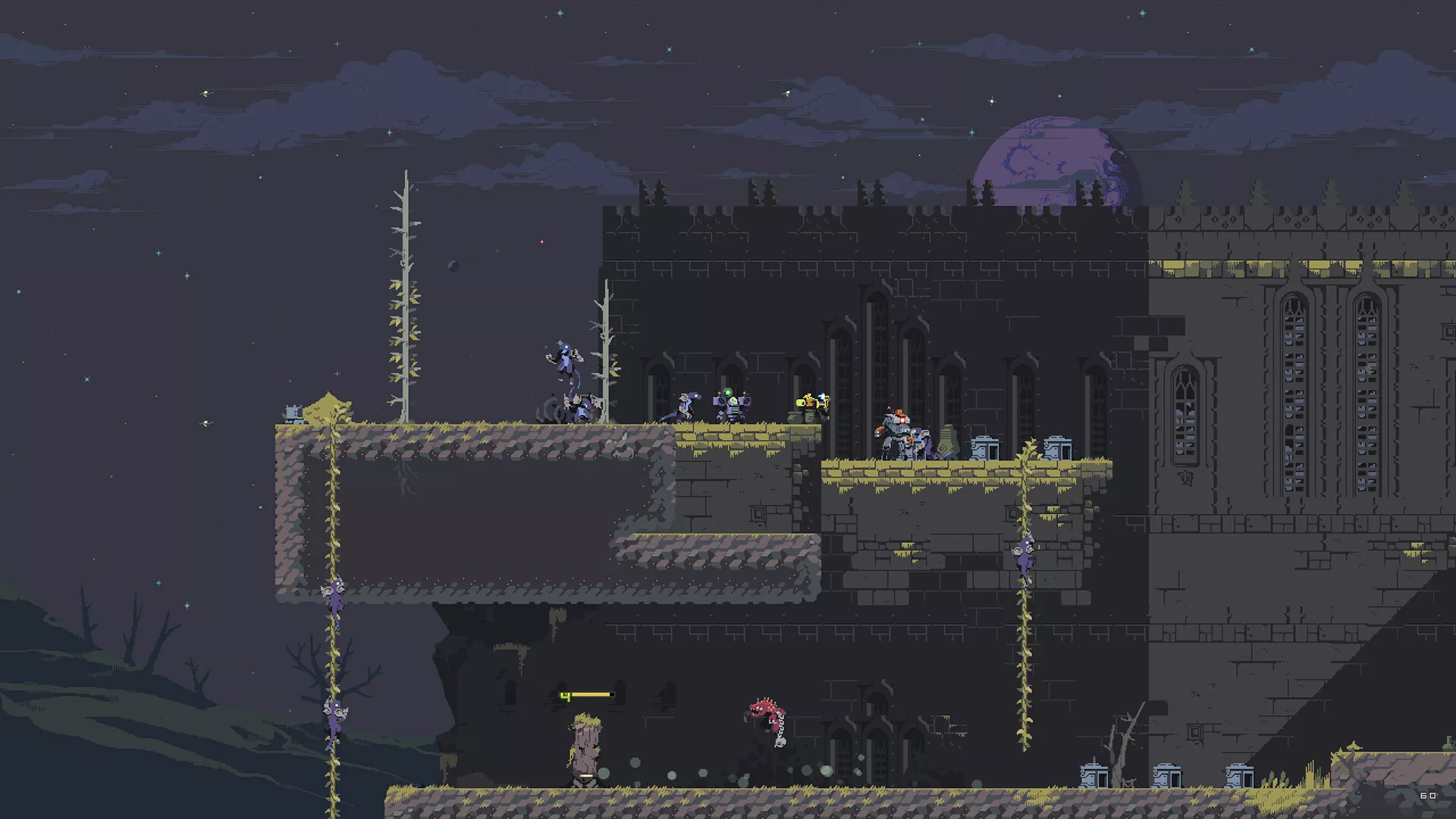
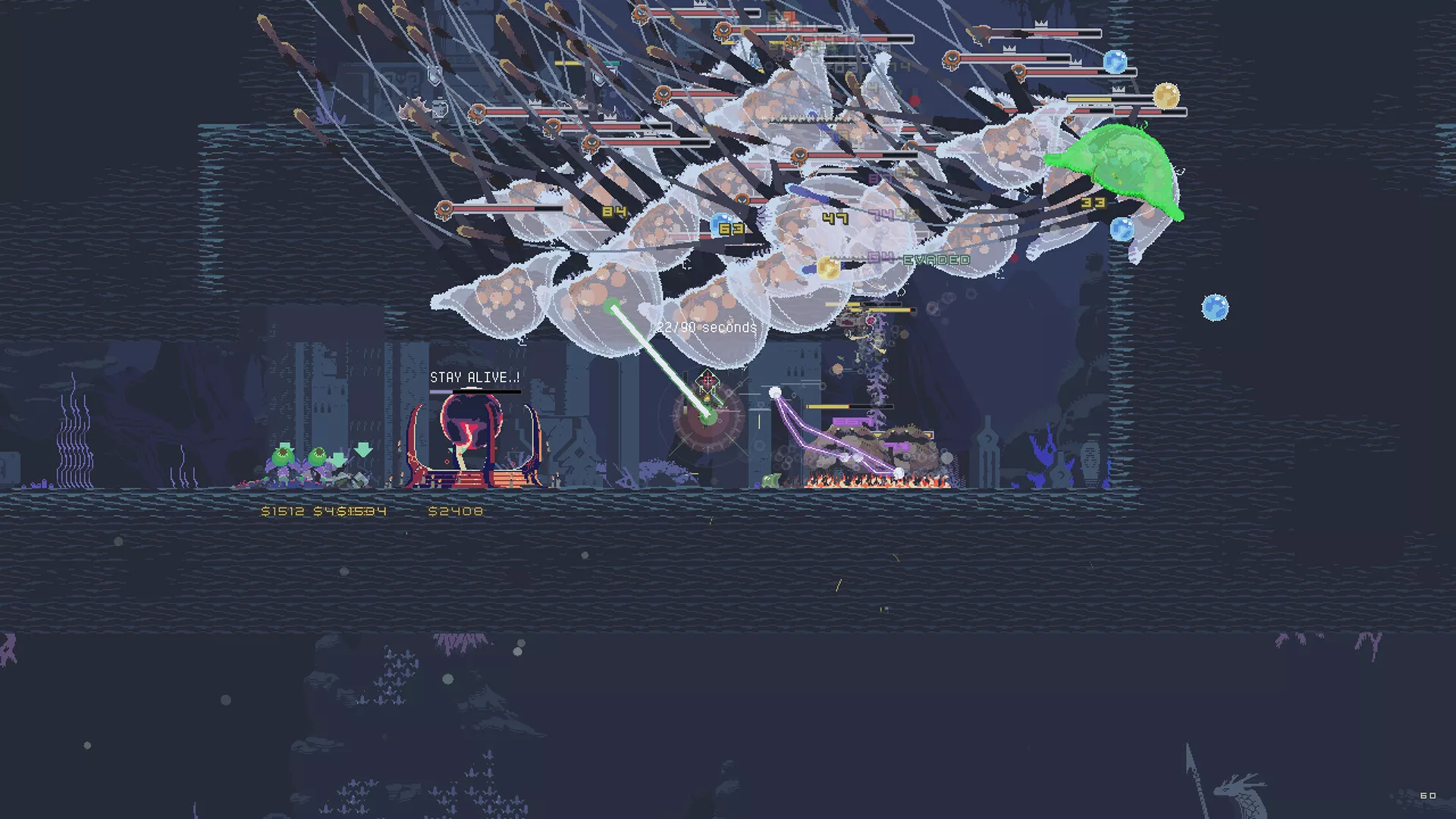
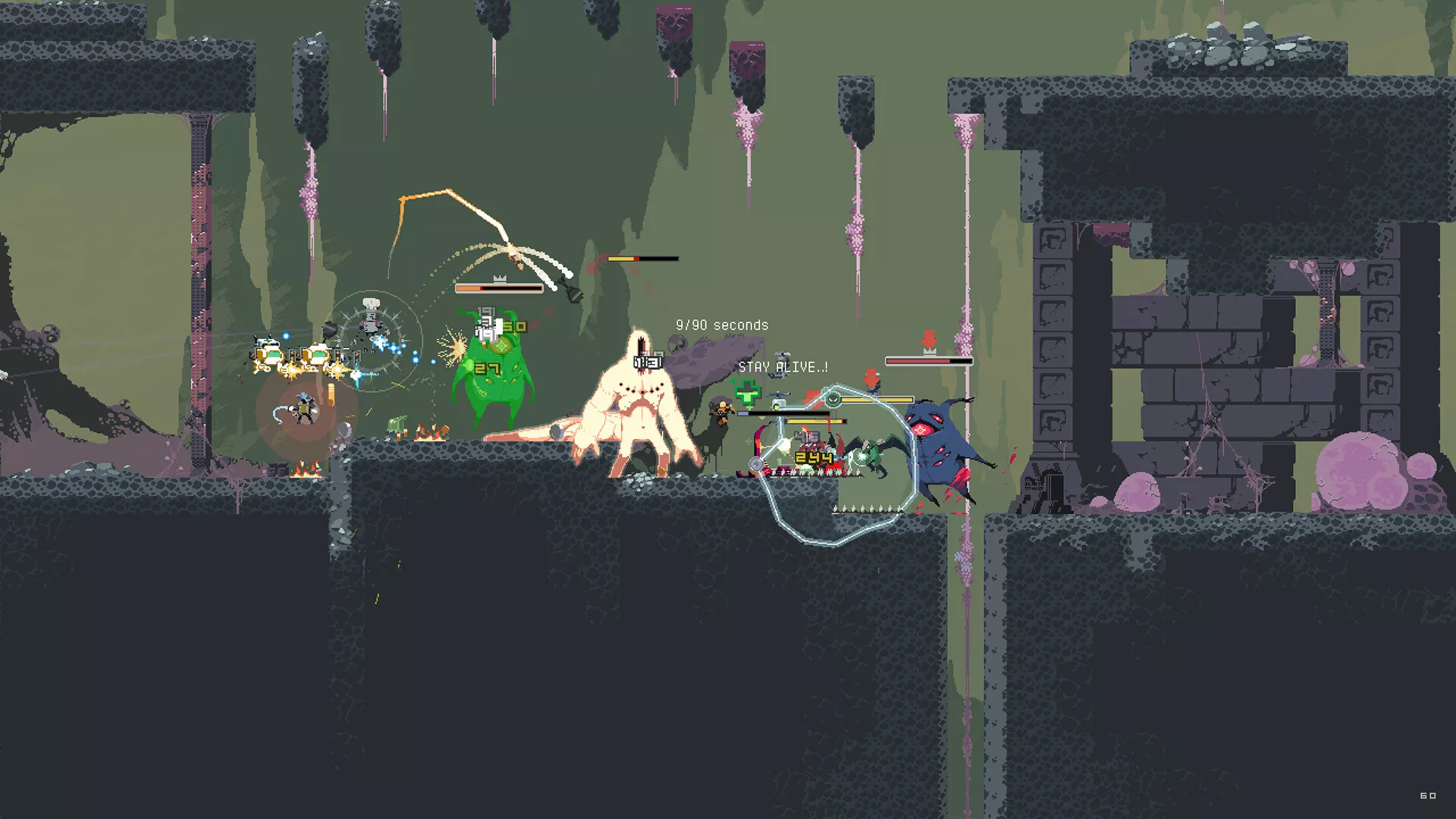
Risk of Rain Returns reinvents the classic roguelike shooter with tight, fast-paced action and escalating difficulty. Players battle through shifting environments, unlock characters, and stack items to survive increasingly dangerous loops. The game blends procedural levels with deliberate design for repeatable, satisfying runs.
Risk of Rain Returns delivers a compact but deep loop-based campaign that rewards experimentation and adaptation. Sessions can be short or extend into long marathons depending on your luck and choices. Each run feels meaningful because enemy variety, item synergy, and environmental hazards constantly change how you approach combat and exploration.
This version focuses on accessibility without diluting complexity. Controls are responsive, progression systems are transparent, and the balance between risk and reward is carefully tuned. Rather than relying solely on random drops, the design encourages players to find creative combinations, making every decision feel impactful.
The gameplay loop revolves around three pillars: combat, acquisition, and escalation. You fight through waves of enemies to reach a teleporter, activate it, then survive a boss-like onslaught until the next level opens. During that time you gather items, unlock temporary buffs, and often choose whether to explore side paths.
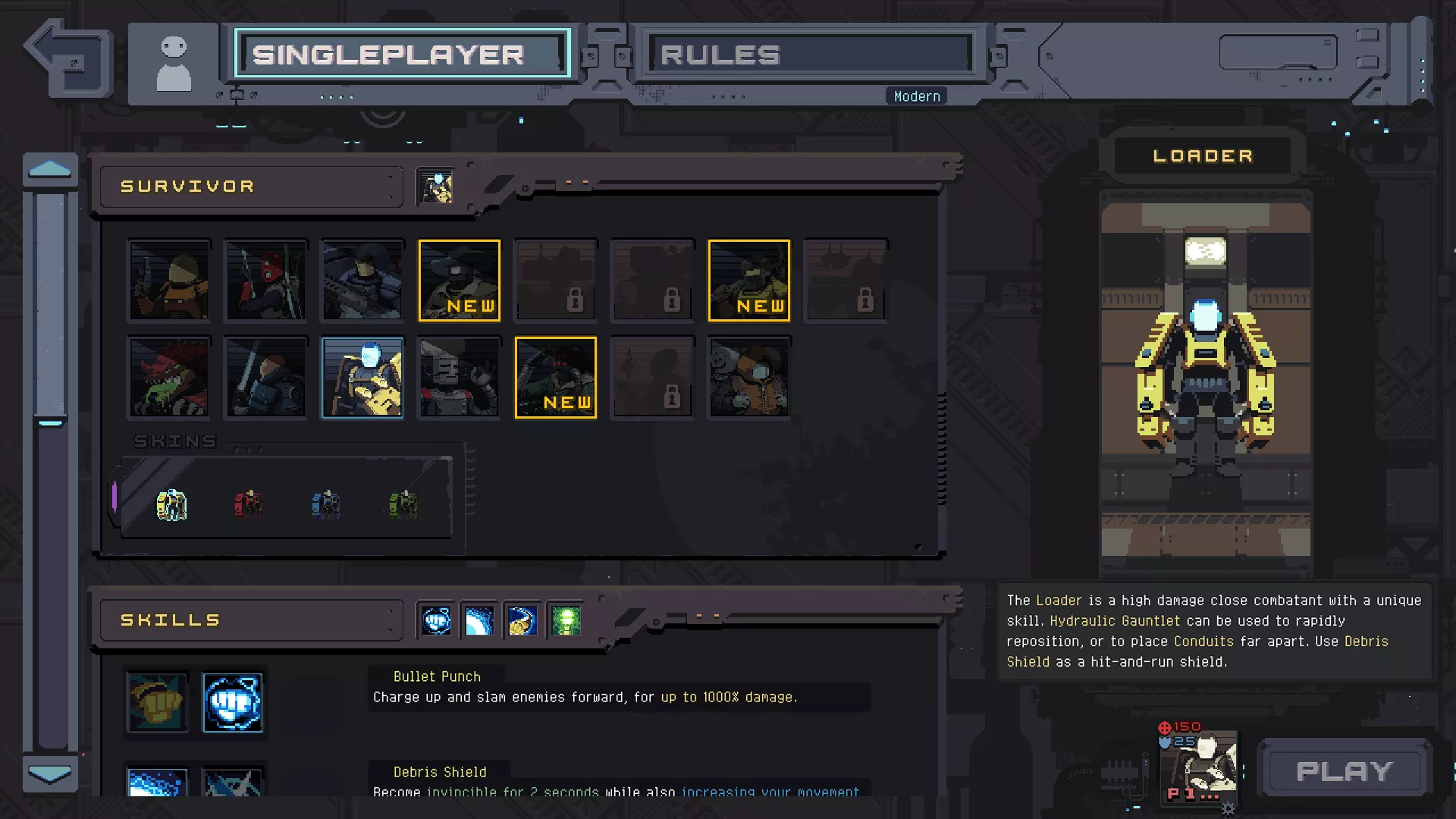
Risk of Rain Returns offers a roster of unlockable survivors, each with clear strengths and weaknesses. Some excel at single-target damage, while others are better at crowd control or support. Progression is achieved by earning in-run currency and unlocking meta-progression elements that affect future attempts.
Choosing a character is strategic: some runs favor long-range kiting, others reward aggressive melee. Learning a character’s skill cooldowns and mobility options is essential to push higher difficulty loops.
Levels are procedurally generated but built from hand-crafted modules, which keeps layouts fresh without losing purposeful design. Pacing is an intentional part of the challenge — early levels introduce new threats slowly, then ramp toward frenetic encounters. Weather and biome changes alter visibility and enemy behavior, ensuring each playthrough feels distinct.
The control scheme is intuitive on touch and gamepad alike. HUD elements are clean and informative; you can quickly review active items, cooldowns, and objectives mid-run. Performance remains stable even in crowded scenes, with visual clarity on crucial projectiles and effects that matter most for decision-making.
Beginners should not be discouraged by initial difficulty spikes. Each defeat teaches a specific weakness — whether it’s positioning, target priority, or build synergy — and those lessons compound quickly into competence.
Risk of Rain Returns runs smoothly across a variety of devices. Load times are short and crashes are rare. Visuals lean toward a stylized aesthetic that communicates gameplay information clearly rather than chasing photo-realism. Sound design supports situational awareness with distinct cues for enemy types and critical events.
To begin, select a character and jump into an easy run to learn the fundamentals. Focus on reaching the teleporter and surviving the activation sequence while collecting items. As you gain confidence, increase difficulty or attempt specific challenges to unlock new survivors and gear.
Risk of Rain Returns rewards curiosity and calculated risk-taking. Players who enjoy iterative mastery and emergent strategy will find a lot to explore here, whether they prefer quick sessions or marathon runs that test endurance and buildcrafting skill.