
Phantom of Opera
Version: 5.5.4
370.00MB
4.5
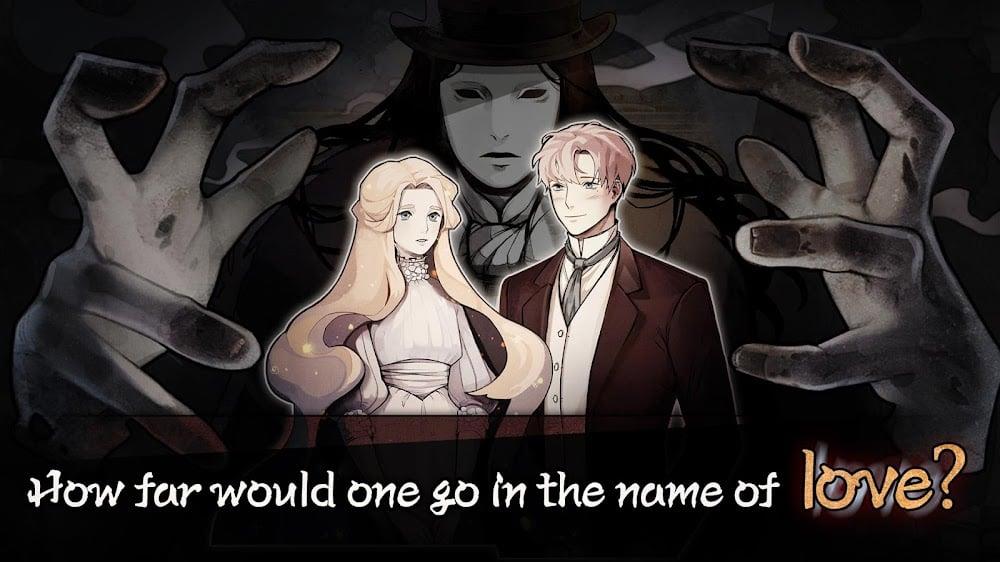
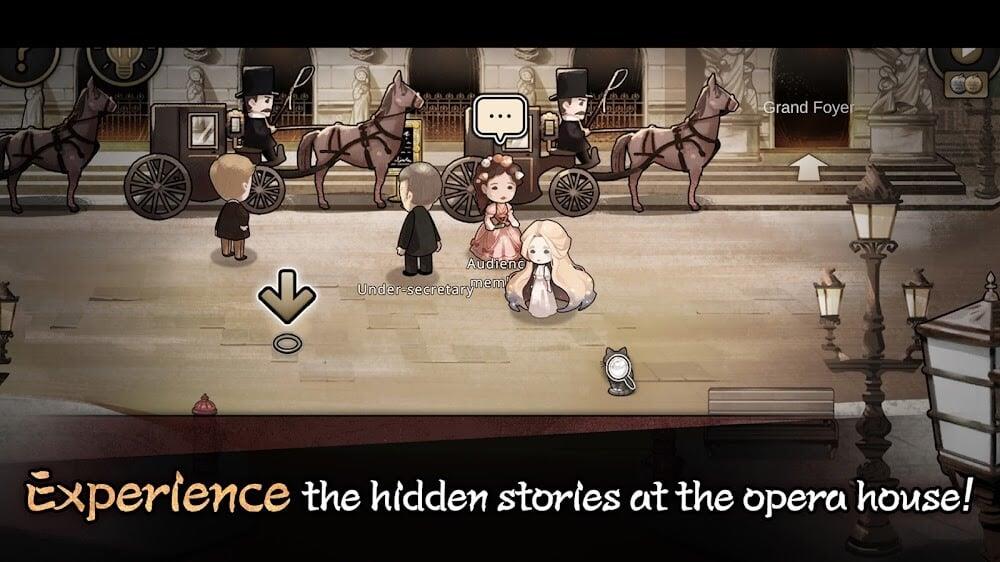
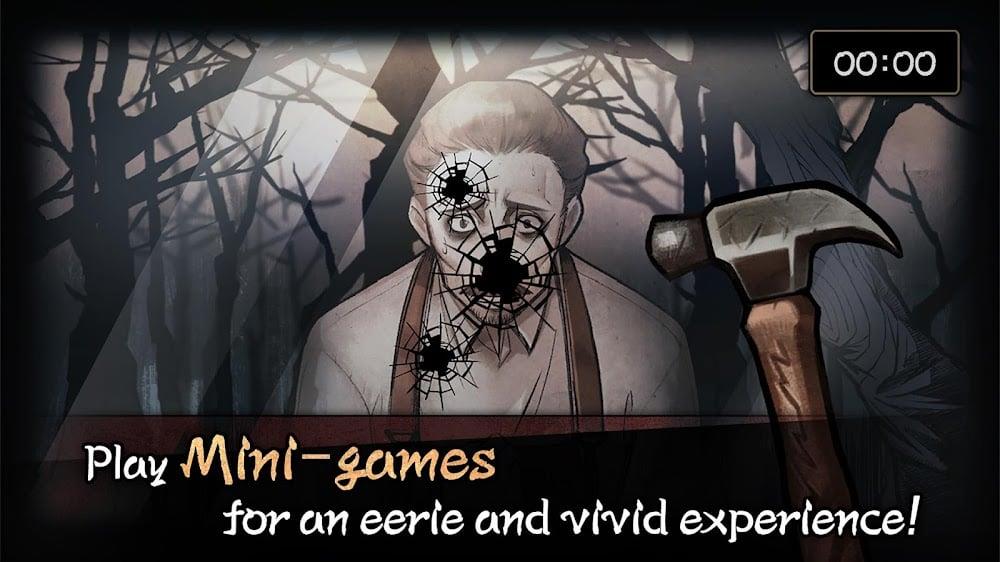
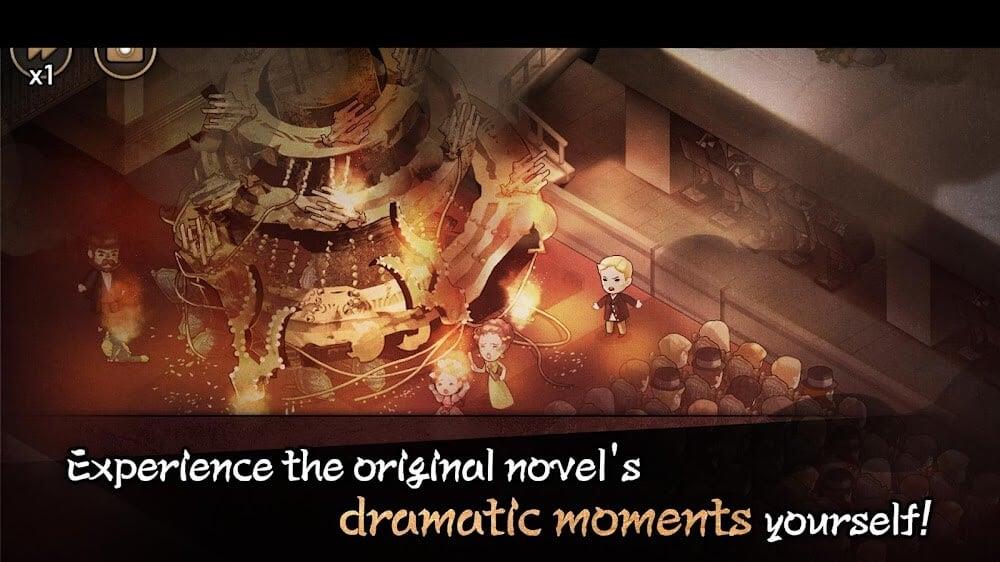

Phantom of Opera is a narrative-driven puzzle adventure that blends atmospheric exploration with music-based challenges. Players follow a mysterious protagonist through a gothic theater, solving layered enigmas and unlocking hidden scenes. The title emphasizes story, mood, and clever mechanics to create a haunting but accessible mobile gaming experience.
At its heart, Phantom of Opera combines environmental puzzles, rhythm-linked mini-games, and inventory-based problem solving. Each level represents a different part of the old opera house — from dim backstage corridors to ornate auditoriums — and requires attention to detail. Progression is non-linear in several chapters: some rooms open only after acquiring specific items, while others react to musical cues or timed interactions.
Characters in Phantom of Opera are gradually introduced via dialogue and visual design rather than long exposition. The cast includes a mysterious figure shrouded in legend, a determined stagehand, and an ensemble of performers whose relationships influence puzzle outcomes. As you progress, new tools and abilities appear — for example, a lantern to reveal hidden ink or a baton that temporarily alters musical cues — which expand available strategies and open previously inaccessible areas.
Successful play emphasizes observation and patience. Many puzzles are multilayered: you might spot a motif painted on a wall, then hear the corresponding sequence in a nearby aria, and finally use an item to complete the interaction. Timing matters during rhythm sections; listen for changes in instrumentation to anticipate the correct sequence. The game rewards experimentation, so players should try combining items and revisiting spaces after acquiring new abilities.
The visual aesthetic leans heavily into gothic and baroque motifs with detailed textures, moody lighting, and subtle particle effects that enhance the sense of decay and mystery. Animations are used sparingly but effectively to punctuate climactic moments. Sound design is a major pillar of the experience: layered orchestral tracks, diegetic music from on-stage performances, and ambient creaks and whispers all contribute to immersion. Because several puzzles rely on audio cues, playing with headphones is recommended.
Phantom of Opera uses a touch-first control scheme optimized for phones and tablets. Tap-to-select, swipe gestures for certain interactions, and a simple inventory wheel make navigation intuitive without clutter. Performance scales across devices; options for graphic detail and an accessibility toggle for audio-only puzzles help maintain playability on lower-end hardware. The developers prioritize steady frame rates to preserve timing-sensitive gameplay.
Begin a newgame by following the opening scene to learn basic interactions and the inventory system. The early chapters serve as a gentle tutorial but still offer rewarding secrets for curious players. Save frequently and experiment with different approaches to puzzles; the game is designed so creative solutions can bypass more obvious paths.
Phantom of Opera manages to marry storytelling and gameplay through a strong audio-visual identity and carefully layered puzzles. Its focus on musical mechanics provides a unique twist compared with conventional adventure titles, creating memorable set pieces and satisfying puzzle payoffs. For players who enjoy atmospheric worlds with thoughtful challenges, this game provides a polished, emotionally resonant experience.



World War: Soldier Last Stand MOD Menu
4.2262.90MB

EHW Premium pre MOD ADS Removed
4.0122.90MB

ZombTube MOD Menu
4.5219.80MB

Castle Raid! MOD Free Rewards
4.180.90MB

TDS - Tower Destiny Survive
4.380.30MB

Real Dino Hunting Gun Games MOD Unlimited Money
4.264.50MB

Pocket Mine 3
4.5138.00MB

Battle Royale Fire Prime MOD Unlimited Coins
4.5163.00MB