
Cooking Madness
Version: 2.2.9
82.00MB
4.1
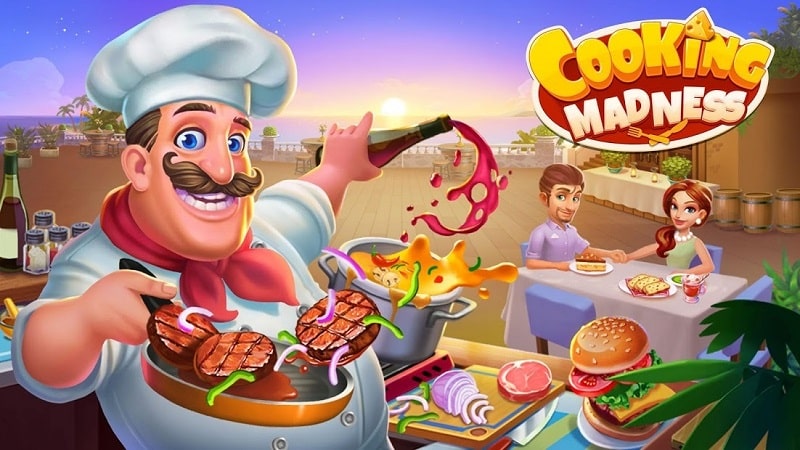
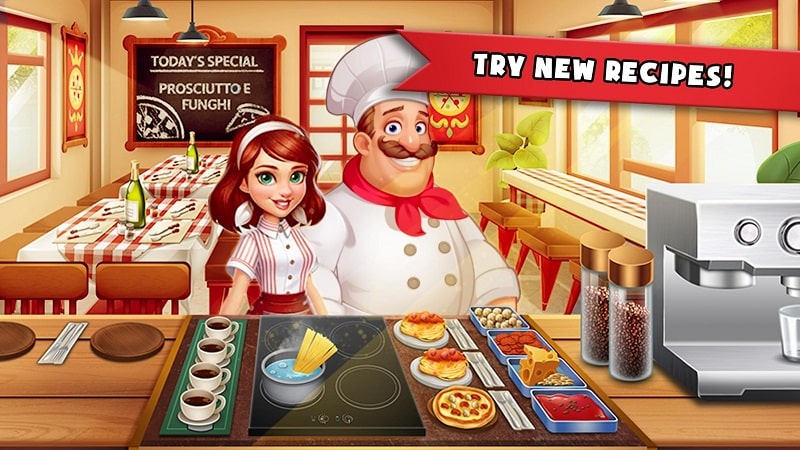
Cooking Madness is a fast-paced time management cooking game that puts players in charge of bustling virtual kitchens across themed levels. Manage orders, upgrade appliances, and overcome chaotic rushes while unlocking new recipes and characters. This summary introduces the systems, progression, and strategies that define the experience.
At its heart, Cooking Madness combines order management, quick decision-making, and resource juggling. Players must tap, drag, and prioritize tasks to prepare dishes within strict time windows. The cycle of receiving orders, preparing ingredients, cooking items, and plating requires attention to sequence and timing. Each level introduces constraints such as limited staff, special ingredients, or environmental hazards that alter the usual flow and demand adaptive tactics.
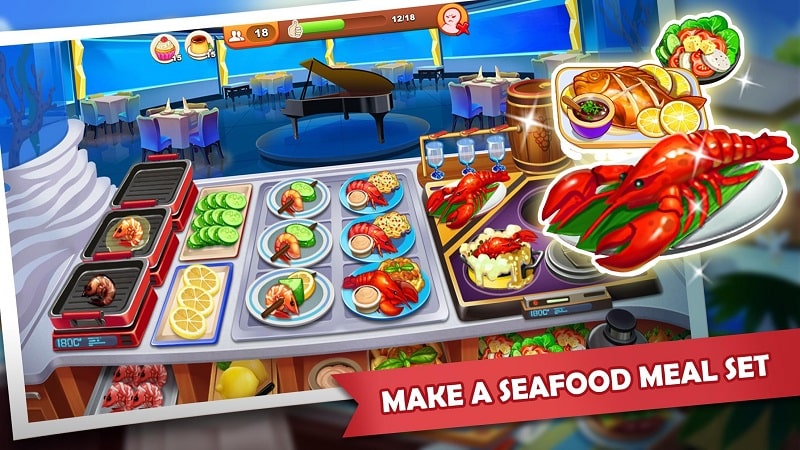
Levels in Cooking Madness are grouped by theme—street food markets, seaside cafés, and gourmet kitchens—each with unique visual style and gameplay elements. As you progress, stages add modifiers like double-order rushes, ingredient shortages, or equipment failures. Challenge modes push efficiency by imposing higher score thresholds or introducing time-limited objectives. Replay value is high since optimal routes and speed improvements matter for leaderboard placement.
Progression centers on earning coins, stars, and special tokens to upgrade tools and unlock recipes. Upgrades increase cooking speed, reduce cooldowns, and expand order capacity. Unlockable recipes grant higher profit margins but often require more complex prep, forcing players to balance reward against execution difficulty. The game rewards consistent performance with daily bonuses and milestone chests that accelerate progression without breaking balance.
Cooking Madness features a roster of chefs and helpers, each with distinct perks that influence playstyle. Some characters boost ingredient preparation, others speed up cooking or increase customer patience. Choosing the right team composition for a level becomes a tactical decision—combine a fast preparer with a high-earning chef for peak efficiency, or use a patient server to handle long sequences of complex orders. Character skins and cosmetic items add personalization without affecting core balance.
The interface prioritizes clarity under pressure: large order icons, quick-access upgrade buttons, and visual timers keep the player focused. Touch controls are responsive, with drag-and-drop interactions for ingredient assembly and one-tap commands for cooking. The game runs smoothly on a variety of devices, scaling graphics quality to preserve frame rate during intense rush periods. Sound cues and subtle haptics help convey timing cues when visuals become crowded.
Competitive and cooperative events appear regularly, inviting players to compete on leaderboards or collaborate to meet community goals. Limited-time festivals introduce themed recipes and exclusive rewards, encouraging experimentation and strategic planning. Events provide concentrated opportunities to earn premium currency and rare upgrades for players who perform consistently.
New players should complete the early tutorial to learn basic flows, then focus on a handful of core upgrades that improve speed and capacity. Experiment with a couple of recipes to find reliable combos, and participate in daily challenges to accumulate resources. Regular play benefits new players most—small, steady improvements in technique yield large gains in level completion and reward accumulation.
Cooking Madness offers a blend of frantic action and thoughtful optimization, rewarding players who refine their approach level by level. With varied maps, distinct character roles, and meaningful upgrade paths, it provides both short-session thrills and long-term progression goals for mobile gamers.