
Granny 3
Version: 1.2
100.60MB
4.1
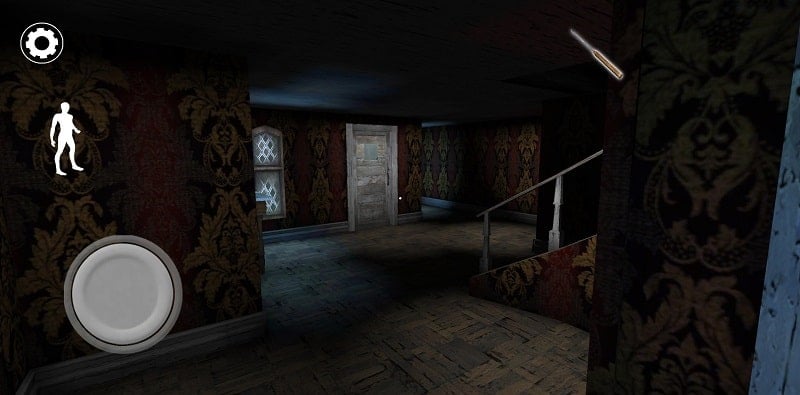
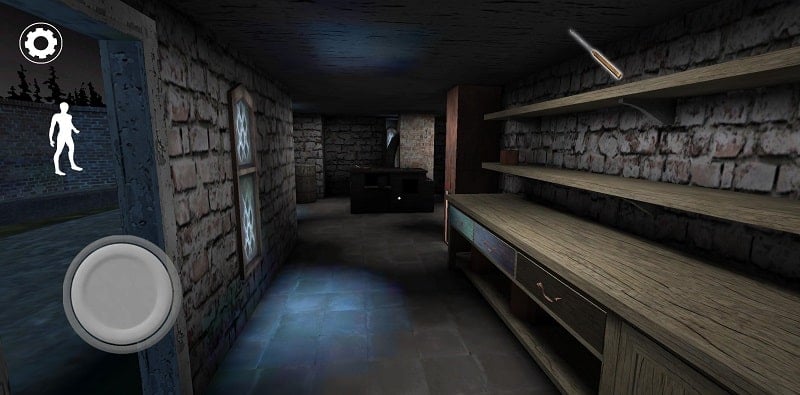
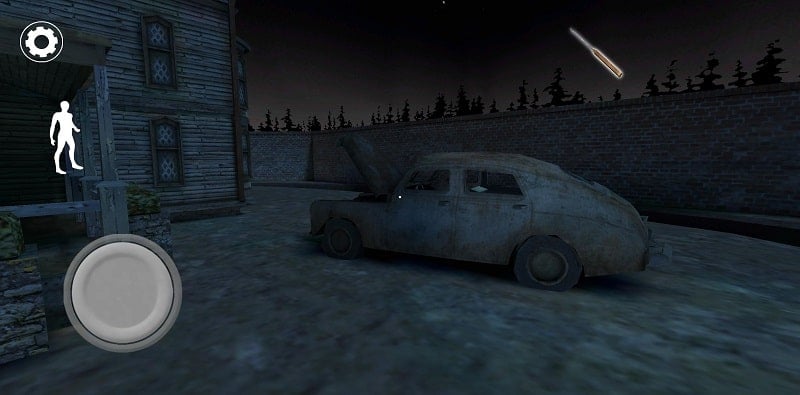
Granny 3 places you in a tense first-person escape horror where silence, careful observation and quick decisions determine survival. In this installment you awaken kidnapped inside a decaying 3D villa populated by traps, unsettling rooms and a hostile family who patrol the halls; Granny 3 challenges players to plan a five-day escape by exploring bedrooms, basements and porches while avoiding detection and solving item-based puzzles. The game combines stealth mechanics, sudden chases and environmental scares to create an unnerving single-player experience that rewards patience and situational awareness.
Granny 3 blends stealth-driven gameplay with puzzle elements and adaptive enemy behavior. The villa contains multiple interconnected areas — bedrooms, lofts, bathrooms, dining areas, basements and porches — each offering hiding spots and interactive objects such as safes, vases, stones, locks and limited weapons like a slingshot or a shotgun. Players must search for keys, assemble distractions and use concealment strategically while an on-screen HUD and minimap provide orientation without breaking immersion. Three hostile family members — Granny, Grandpa and Slendrina — move and react differently, forcing you to change tactics as their patrols and responses evolve.
Gameplay in Granny 3 emphasizes stealth, exploration and timing rather than direct confrontation. Movement is responsive to standard mobile touch controls: walk, run and crouch using on-screen prompts, with context-sensitive interaction for picking up or using items. The control layout is designed for intuitive play on phones and tablets, letting players peek into rooms, open doors quietly and slip into hiding spots from a first-person perspective. Quick reflexes matter during sudden chases, but careful route planning and the use of distractions can prevent many encounters altogether.
Progress unfolds across a five-day in-game timer that represents your limited windows to escape, with options to tackle objectives in different orders depending on chosen routes and discovered items. Replaying levels reveals alternative paths and item placements, and higher-difficulty runs increase enemy alertness and reduce the margin for mistakes. This structure creates a clear short-term objective each run (survive long enough to unlock an exit) while preserving longer-term progression through player knowledge, improved tactics and mastery of the villa layout.
The visual approach in Granny 3 leans toward atmospheric realism with worn textures, constrained lighting and environmental details that heighten tension. Each room is built to encourage exploration — cluttered drawers, concealed safes and multi-room sightlines that enable both stealth and risk. Level structure favors a hub-like villa design where previously explored areas become part of later strategies, and verticality in basements and lofts introduces moments of vulnerability and opportunity.
Replayability comes from emergent encounters, varied enemy patterns and multiple escape strategies rather than strictly linear objectives. Players can experiment with different item combinations, distraction tactics and routes to reduce predictability. The game offers settings to adjust difficulty, audio cues and control sensitivity so players can tailor the experience to their skill level and device; these options help balance the intense atmosphere for both newcomers and horror veterans.
Granny 3 is designed as a single-player, offline experience that does not require a persistent internet connection, making it suitable for play on the go. The interface includes configurable control sensitivity and clear HUD markers to assist navigation, while audio and visual settings can be modified to accommodate different comfort levels with horror elements. These accessibility options aim to make the core mechanics approachable while preserving the game’s suspenseful tone.
DVloper, the studio behind the original Granny series, continues its focus on compact mobile horror experiences with this third installment. Granny 3 preserves the series’ emphasis on simple mechanics, atmospheric presentation and unpredictable AI behavior, while refining interaction systems and level fidelity to deliver consistent tension across multiple runs.