
Taste and the City
Version: 1.0.0
30.00MB
4.5

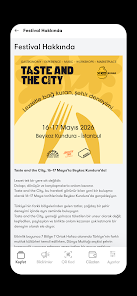
Taste and the City blends fast-paced restaurant management with city exploration, inviting players to build menus, upgrade kitchens, and serve hungry customers across vibrant neighborhoods. Players juggle recipes, staff, and décor while unlocking districts and seasonal challenges for an addictive culinary adventure.
Taste and the City puts you in charge of a growing food business that expands from a tiny street stall to a chain of signature restaurants. The core loop is simple: prepare dishes, satisfy customers, earn income, and reinvest in upgrades. What separates the title from other time-management games is its emphasis on neighborhood variety, strategic menu design, and dynamic events that alter customer preferences.
Each level presents a new neighborhood with distinct demands and rush patterns. You manage workstations, combine ingredients into recipes, and assign staff to specialized roles. As waves of customers arrive, you must prioritize orders, balance speed with accuracy, and prevent service bottlenecks. The pacing scales smoothly—early stages teach mechanics while later maps demand efficient routing and multitasking.
The game’s systems reward planning as much as quick reflexes. Core mechanics include:
Rather than a static roster, the world populates with recurring customers who provide mini-quests and unlockable backstories. Districts have personality: a tech quarter prefers quick gourmet snacks, while a park district favors family-friendly combos. Progression earns reputation points used to open new locations and unlock cosmetic elements for both kitchens and storefronts.
Taste and the City gives players meaningful control over the look and feel of each venue. Customize menus to cater to local tastes, swap décor items that grant passive bonuses, and design signature plates that become player trademarks. Cosmetic unlocks let you create a consistent brand across multiple neighborhoods or experiment with wildly different styles for each branch.
The interface prioritizes readability and rapid input. Workstations are clearly labeled, and order queues use color-coded icons to reduce confusion during hectic periods. Performance is optimized for mobile devices: animations remain fluid on mid-range hardware, and load times are kept short. Visuals blend colorful, stylized art with readable HUD elements, striking a balance between charm and clarity.
Multiplayer elements and asynchronous leaderboards let you compare restaurant chains with friends and rivals. Regular updates introduce weekly challenges that foster short-term goals. The learning curve is approachable: tutorial stages teach core tactics, and the later maps provide depth for players who enjoy optimizing layouts and menu synergies.
The combination of strategic menu planning, district-specific challenges, and polished mobile controls makes Taste and the City a compelling option for players who like management games with a social pulse. It encourages experimentation while rewarding attention to detail, and its steady progression keeps incentives clear without feeling grindy.
Download, complete the introductory stages, and aim to establish your first profitable location. Use early earnings to unlock a second branch and diversify your offerings. With a few smart upgrades and an eye for local tastes, Taste and the City can evolve from a casual distraction into a satisfying long-term project.