
Test Home
Version: 2.2.1
32.80MB
4.3
Test Home presents a concise, editor-style introduction to the Nuro Smart Dimmer Switch and the companion app experience. Test Home explains how the dimmer blends advanced motion and ambient-light sensing with on-device machine learning so that lights respond to occupancy, daylight and routines without sending data to the cloud. This overview is written for readers who want practical information before buying or installing the device, highlighting how the system behaves day to day as well as what to expect during initial setup and adaptation.
The app description emphasizes the main technical strengths of the dimmer: multi-sensor detection that evaluates motion and ambient light, and local machine learning that refines lighting choices over time. The dimmer performs dynamic brightness adjustment according to time of day and measured sunlight while also offering straightforward manual overrides. Interoperability is covered in the sense that the device can be integrated into broader home automation routines through standard smart-home frameworks, allowing coordinated scenes between lights, sensors and other devices without requiring complex configuration.
Readers will appreciate the clear practical benefits: automated lighting reduces the number of manual switches you interact with, and daylight-aware dimming helps conserve energy while keeping useful illumination levels. Improved nighttime safety and convenience come from subtle, low-level illumination when motion is detected in dark areas, reducing trips and falls. Test Home also points out the long-term personalization advantage: as the system learns household patterns it fine-tunes transitions and brightness so the experience becomes more comfortable and intuitive over weeks of normal use.
No system is without trade-offs, and this description responsibly outlines them. The dimmer requires an initial learning period before automation consistently matches household habits, which means early adjustments may feel imperfect. Automated responses occasionally conflict with temporary manual preferences, and users who prefer immediate, fixed control may need to use manual override or lock an individual scene. Also, some unusual lighting conditions or atypical schedules can reveal edge cases where the sensor interpretation is less accurate.
Setup is described in straightforward terms: connect the dimmer to existing wiring according to product instructions, then use the companion app to discover the device and name rooms or zones. The app provides direct control for on/off and brightness, plus easy access to manual overrides so you can take control instantly when needed. For users who like predictability, the app allows simple scheduling and one-touch presets that lock a preferred level for special occasions. Controls are designed to be clear and low-friction for everyday interaction.
Instead of game-style progression, the dimmer’s progression is behavioral: the on-device learning adapts as it observes presence and light patterns. The description explains how the system incrementally updates its model, becoming more accurate across repeated days and similar routines. Users can expect the most notable improvements after several days of regular activity, and the app gives feedback during this period so you can gauge when the automation has stabilized. This gradual approach reduces the need for frequent manual programming.
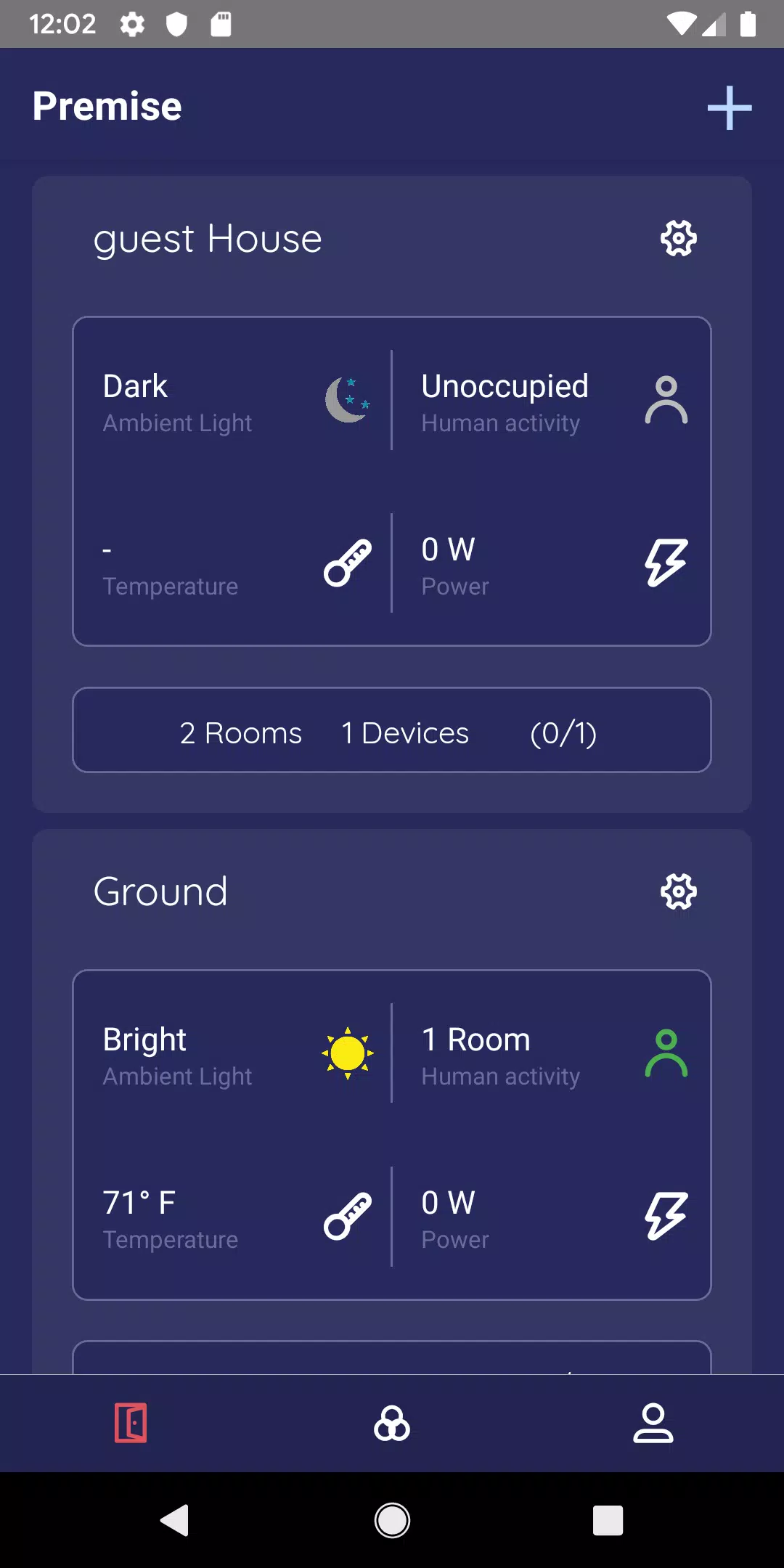
Customization is covered in practical depth: you can set brightness limits, define room-specific preferences, and create named scenes for reading, watching TV, or sleeping. The app’s visual style is presented as clear and utilitarian, with simple icons for sensors and sliders for brightness control so adjustments are fast. Visual feedback helps you understand sensor triggers and recent activity, making it easier to fine-tune behavior without guessing what the system is doing.
Accessibility considerations are part of the user experience: tactile manual controls and in-app large-font options support users with reduced dexterity or vision differences. The product emphasizes on-device processing, meaning core functions continue to operate even if the home network is limited or the internet is unavailable. Because learning and basic automation are local, lights respond reliably to presence and ambient light without depending on cloud services.
The description includes pragmatic troubleshooting tips and expectations to improve the overall experience: allow a few days for learning, use manual overrides when testing behavior, and adjust brightness caps for specific rooms to avoid unwanted dimming. Over time the system can reduce daily energy use and add convenience, and the companion app keeps controls accessible so you can maintain, revise or revert settings as needs change. By focusing on realistic trade-offs and useful controls, Test Home helps prospective users decide whether this smart dimmer fits their household routines and accessibility requirements.