Wedding Dress Designs
Version: 2.0
3.60MB
4.1
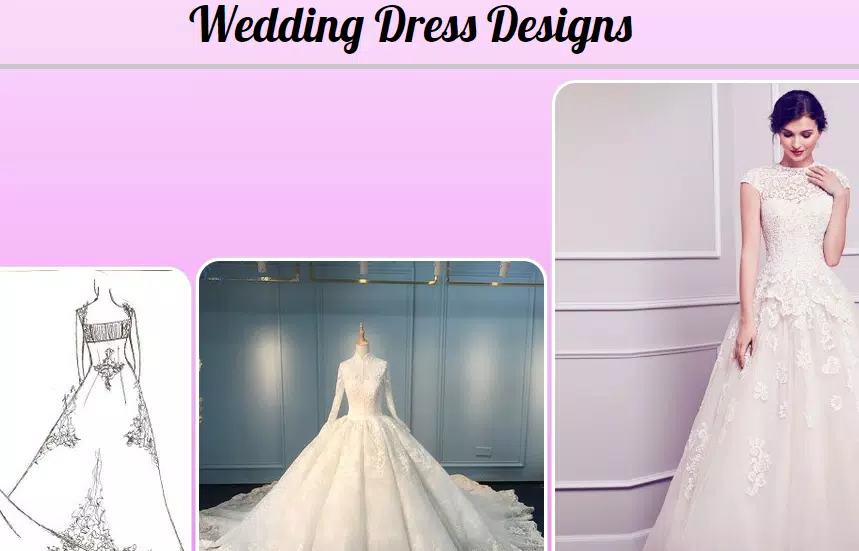
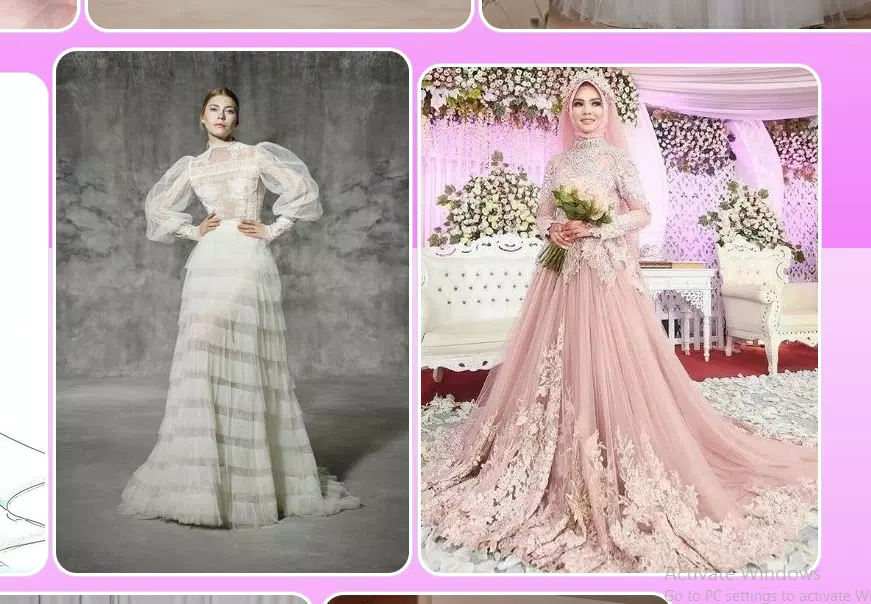
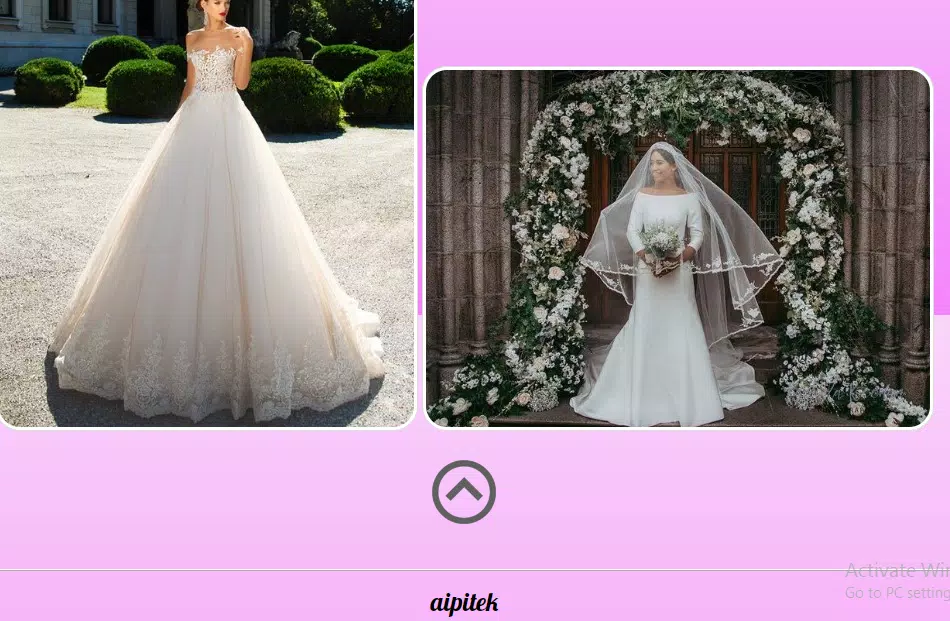
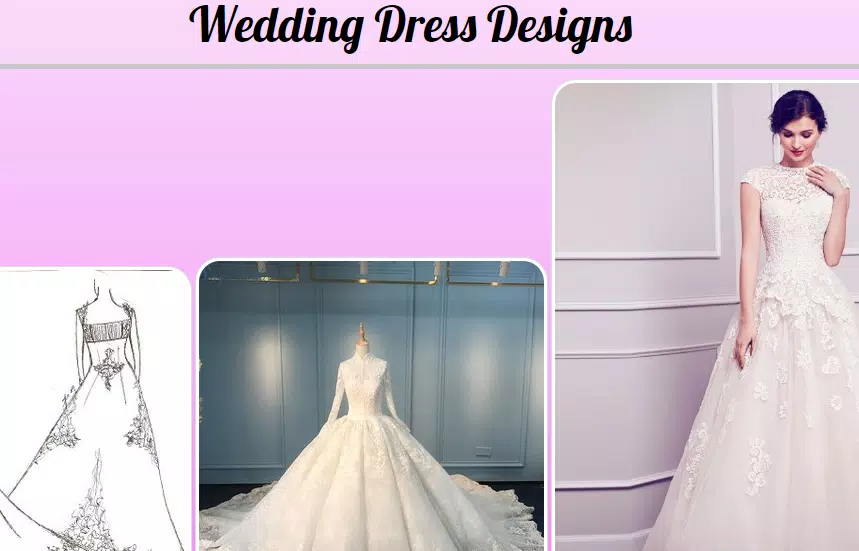
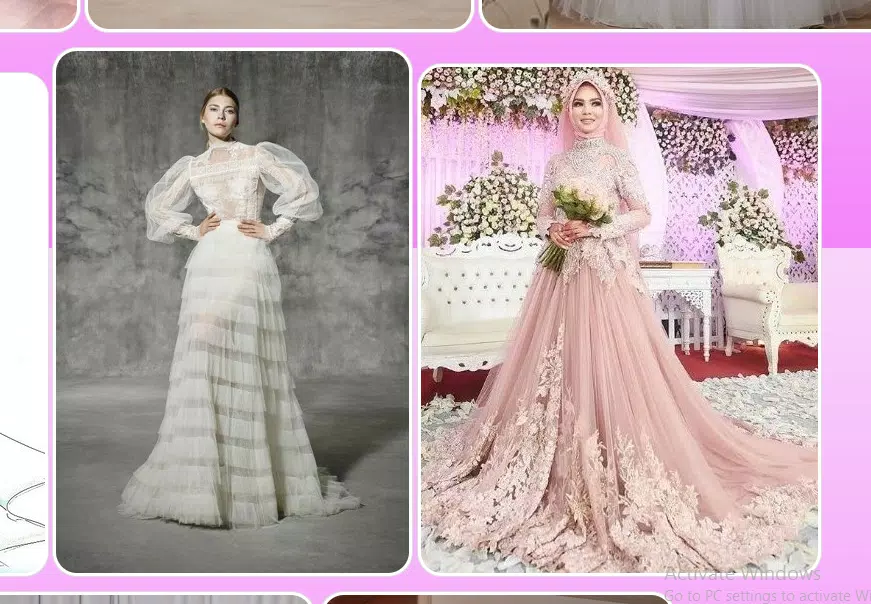
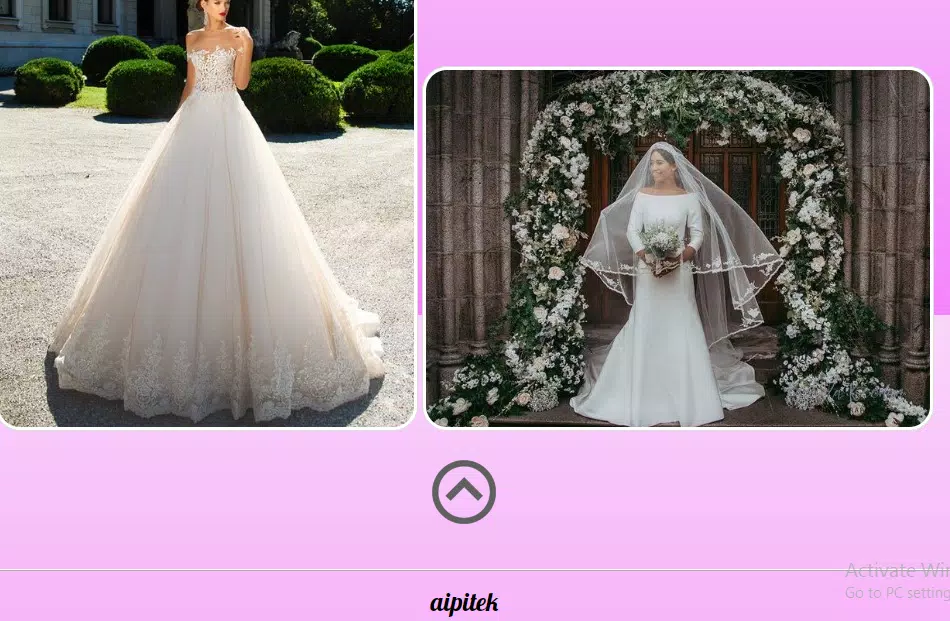
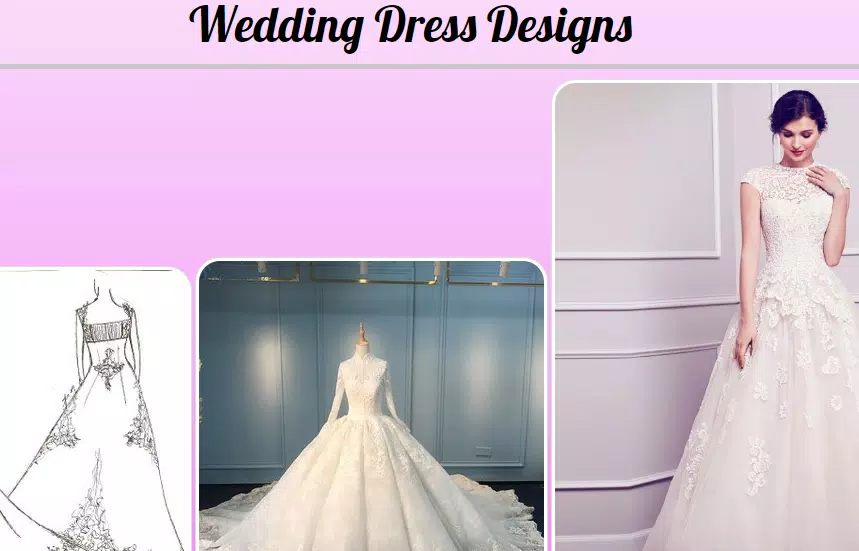
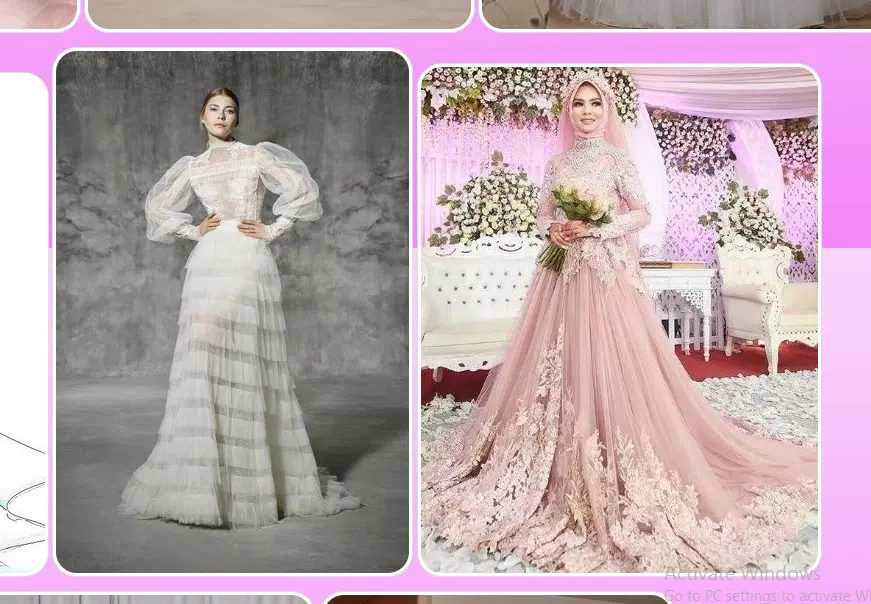
Wedding Dress Designs is a practical design and planning app that helps brides explore silhouettes, refine details, and prepare clear specifications for ordering or tailoring. Wedding Dress Designs puts a large template gallery and easy customization tools into a single workspace so users can move from inspiration to a tested concept without losing sight of sizing, fabrics or budget. The first section of the app establishes a step-by-step workflow that keeps each choice recorded so you can revisit earlier drafts and compare alternatives.
The template library includes classic ball gowns, A-line shapes, sheath and modern minimalist cuts presented with high-quality thumbnails and fabric close-ups. Customization is handled through modular controls for necklines, skirt volumes, sleeve styles and embellishment placement. You can upload sketches or photos to use as reference layers, apply color and fabric swatches, and export annotated images and a printable spec sheet to share in person with a tailor or boutique. Built-in sizing guidance, fabric sample notes and budgeting tools help translate a chosen look into practical next steps.
The app guides you through a design sequence that resembles the real-world planning process: gather inspiration, create a draft, refine fit and features, and prepare handoff materials. Each stage stores a version so you can compare iterations side by side and track why a decision was made. The progression is non-linear — you can jump back to inspiration after trying a final look — but every saved draft keeps its own fabric choices and measurements so communication with a seamstress is clearer.
Interaction is optimized for touch devices: pinch-to-zoom for close detail work, drag handles to adjust skirt length and silhouette curves, slider controls for pleat depth and embellishment density, and color pickers for palettes. Tooltips explain each control and contextual help appears on first use of an advanced feature. The interface balances visual editing with simple toggle switches for on/off options so users with limited design experience can still create refined concepts.
Visuals emphasize neutral staging and fabric texture so the garment is the focus rather than background elements. Templates are photographed and rendered with consistent lighting to make fabric comparisons reliable; swatches show weave and sheen properties where possible. The app supports high-resolution exports so photos and spec sheets can be printed or shown on another device at fittings.
Customization goes beyond aesthetics to include functional notes: options for modesty linings, bustle styles, hem allowances, and suggested alteration margins. Progression is framed as design milestones rather than levels — for example, a milestone might be 'final silhouette approved' or 'measurements confirmed' — which helps users and professionals coordinate next steps. Saved milestones act as checkpoints for budgeting and scheduling fittings.
Practical planning aids include a simple budget calculator tied to chosen fabrics and features, a measurement checklist, and a timeline planner for ordering samples, fittings and final pickup. Export formats include annotated JPEGs, a printable spec sheet with measurement fields and fabric notes, and a consolidated shopping list for samples. These outputs are intended for in-person or email handoff rather than real-time online collaboration, keeping the app useful even when you meet designers face to face.
The design workspace supports adjustable text sizes and high-contrast mode for visibility. Core functionality for browsing templates, editing drafts and exporting spec sheets works offline after initial content is downloaded, so you can work on designs while traveling or without a reliable connection. The app stores local backups of drafts and lets you label versions clearly to minimize confusion during the planning process.
Wedding Dress Designs includes optional prompts and checklist challenges that encourage you to test design constraints — for example, creating a design under a specified budget or modifying a template for seasonal fabrics. These exercises build confidence and add replay value because you can try the same silhouette with different trims, fabrics and timelines to see what best fits your needs. For practical use, start with broad inspiration, lock a silhouette, then iterate on details and export a spec sheet for your first fitting.
Overall, Wedding Dress Designs aims to be a realistic bridge between creative ideas and the real-world requirements of tailoring and purchase. It emphasizes clear visual tools, stepwise progression, and practical exports so brides and designers can communicate effectively and reduce surprises during fittings.