
LivingAlone3
Version: 1.0.187
65.20MB
4
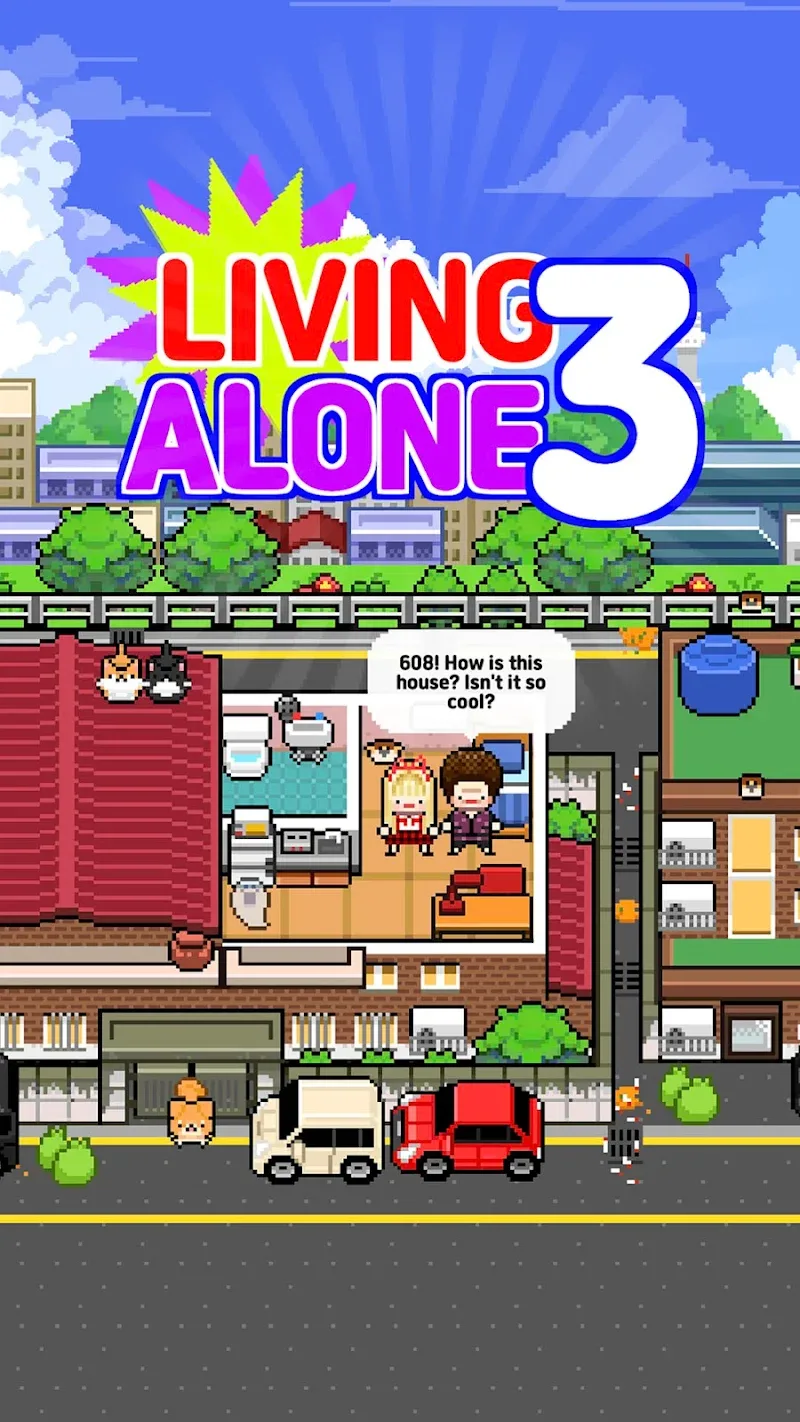



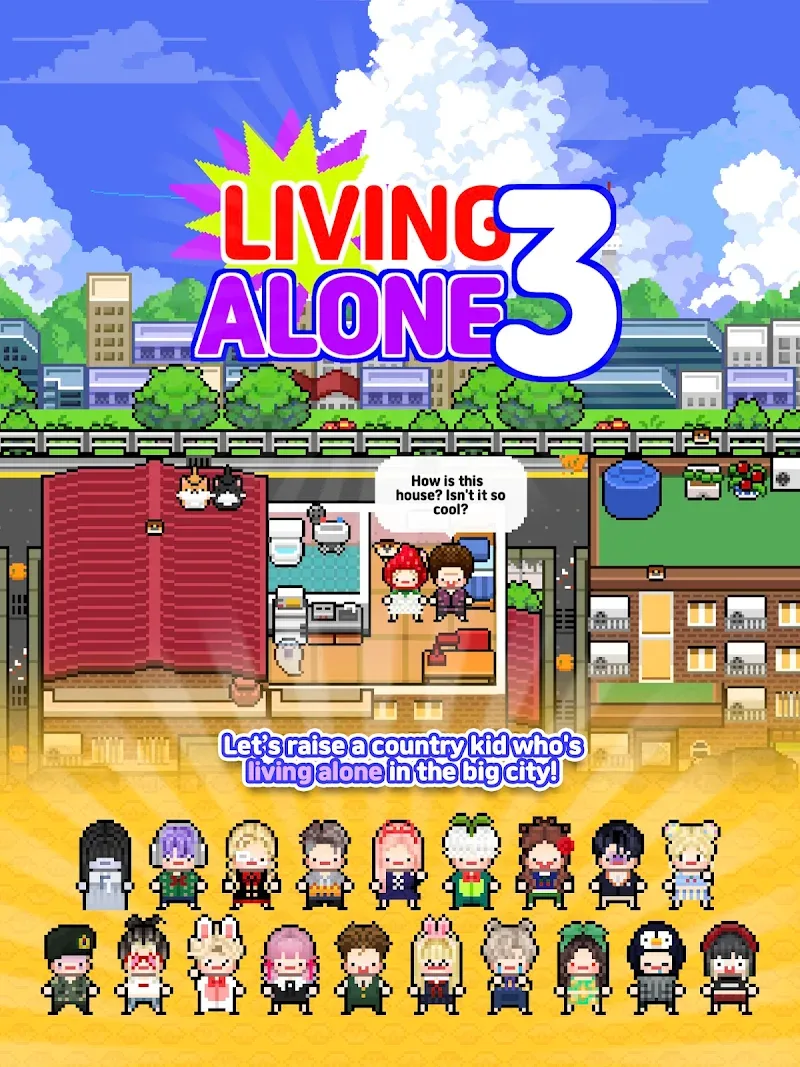
LivingAlone3 puts you in charge of daily life in a compact, detailed simulation where choices matter. Manage resources, relationships, and a small living space while balancing work, hobbies, and unexpected events. The game blends light strategy, narrative moments, and customization to create a relaxed but engaging solo-living experience.
At its core, LivingAlone3 is a slice-of-life simulator that emphasizes routine and consequence. You track time, money, energy, and mood while making decisions that influence short-term comfort and long-term progression. It avoids frenetic action in favor of thoughtful planning and emergent stories born from simple systems interacting.
Days pass in manageable chunks. Each day you choose tasks: work a shift to earn income, cook meals to restore energy, clean to reduce stress, or pursue hobbies that boost skills. Random events appear — a neighbor knocks, a delivery arrives, or a broken appliance needs repair — forcing you to adapt. The loop rewards forethought: stockpiling supplies and scheduling rest creates stability, while neglect leads to setbacks that change how the week unfolds.
Several interlocking systems give LivingAlone3 its depth. Energy and mood affect performance; skills unlock better job options and faster chores; finances gate upgrades and cosmetic purchases. A compact calendar tracks bills, appointments, and deadlines. These mechanics are transparent and offer learning curves that suit casual players and those seeking deeper optimization.
Progression is steady rather than explosive. You improve by investing time into skills like cooking, DIY repairs, and creative pursuits. Jobs scale with ability: part-time gigs become full-time opportunities if you meet requirements. Career choices influence daily routines and available resources, creating multiple viable playstyles — frugal survival, creative freelancer, or comfort-focused routine.
LivingAlone3 places a surprising amount of importance on the living space. Furniture, appliances, and decorative items all impact gameplay: a better stove reduces cooking time, a comfortable chair restores more energy, and clever storage expands inventory limits. Customization is both aesthetic and functional, allowing you to tailor the environment to your strategy.
While single-player focused, the game includes recurring NPCs such as neighbors, colleagues, and delivery drivers. Interactions are dialogue-driven and influence relationship meters. Relationships open small narrative branches and practical benefits, like favors or shared tasks. These systems enrich the routine without shifting the focus away from solo management.
The visual style is clean and readable, favoring clarity over flashy effects. Icons and tooltips communicate important values so you can make informed decisions quickly. The interface scales well for touchscreens and small displays, with a minimal HUD that highlights time, energy, and essential notifications. Menu structure is intuitive, making inventory and task lists easy to navigate.
On mid-range devices the game runs smoothly, with short load times and stable frame rates. Background systems are optimized to avoid draining battery unnecessarily. Occasional small hiccups can appear on older hardware, but settings allow you to lower animation detail and background update frequency to maintain responsiveness.
Getting started is straightforward: pick a playstyle during character setup, follow the tutorial that explains the day cycle, and spend your first week establishing a steady routine. LivingAlone3 rewards patience and experimentation, and players who explore different approaches will find multiple satisfying ways to thrive on their own.