
Pocket Campfire
Version: 2.0.0
432.10MB
4.4
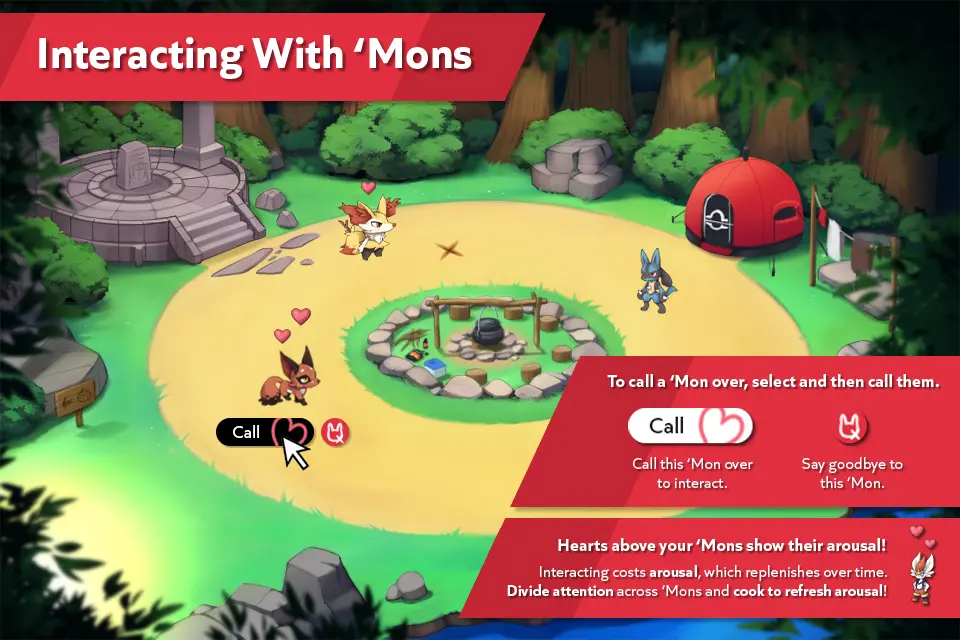
Pocket Campfire is a cozy survival-adventure game that blends light crafting, exploration, and social campfire gatherings into compact, satisfying sessions. Players manage a small campsite, gather resources, befriend wandering characters, and unlock stories while keeping their fire, warmth, and supplies under control with charming visuals.
Pocket Campfire places emphasis on short loops and meaningful choices rather than punishing difficulty. Sessions revolve around maintaining a cheerful campfire, expanding the site with simple structures, and chasing narrative fragments scattered across a low-stress map. The pace is deliberate, encouraging planning and discovery instead of frantic action.
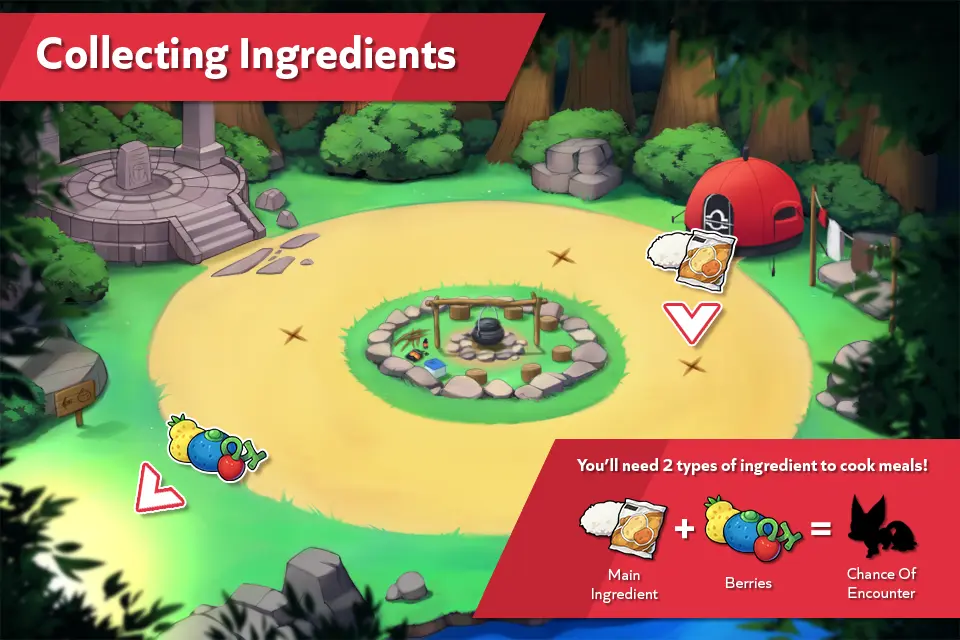
At its heart, Pocket Campfire combines resource collection, light crafting, and environmental management. Players gather wood, forage for food, and salvage materials from nearby ruins or scenic waypoints. Crafting is streamlined: recipes are easy to learn and upgrades feel incremental. The fire itself acts as a resource sink and a checkpoint, influencing warmth, morale, and NPC behavior.
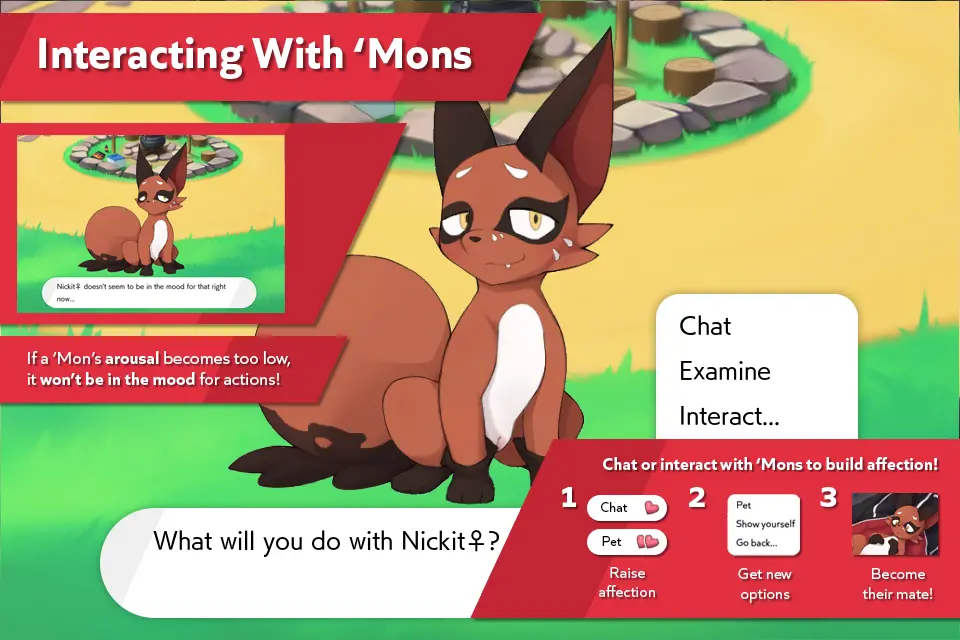
The campsite functions as both a base and a story hub. Upgrades unlock new furniture, cooking recipes, and decorative elements that attract unique visitors. Characters you meet on the road bring quests, mini-stories, and trade opportunities. Each visitor has personality-driven dialogue that unfolds with repeated interactions, making relationship-building rewarding without demanding excessive grind.
Progress in Pocket Campfire moves through unlocking practical improvements and narrative beats. Rather than an experience points treadmill, advancement arrives as tools, camp upgrades, and new map regions. Smart resource management is the key strategy: decide which structures to build first, which NPC requests to fulfill, and when to explore further versus fortify the campsite for an incoming night or storm.
Maps are compact but layered, featuring hidden spots and seasonal shifts that reshape the environment. Short expeditions yield materials and story fragments; occasional dynamic events—migrating traders, weather shifts, or communal gatherings—introduce variety. The exploration loop rewards curiosity with collectible items and environmental lore rather than high-stakes combat.
The interface prioritizes clarity for mobile play. Menus are concise, crafting trees are easy to navigate, and tooltips explain new mechanics as they appear. Controls are optimized for touch screens: tapping to interact, swiping to pan, and context-sensitive icons to handle building or cooking. Performance is stable across a range of devices, with modest battery and memory footprints.
Pocket Campfire leans into a warm visual palette with textured 2D art or gentle low-poly 3D, depending on device. Lighting plays an important role—firelight and dusk transitions enhance mood and make exploration feel intimate. Ambient sounds and a restrained music score underscore the relaxed tone without becoming repetitive.
Sessions are designed for pick-up-and-play convenience. The save system respects short playtimes, returning you to your warm camp exactly where you left off. Social elements include asymmetrical visits to other players' camps, trading simple items, and seasonal communal challenges that encourage casual cooperation rather than competitive pressure.
Whether you like relaxed simulation or narrative-driven adventures, Pocket Campfire rewards thoughtful play and curiosity. Its accessible mechanics and gentle progression make it a good fit for players looking to unwind while still enjoying meaningful systems and character-driven content.
Begin by tending your flame, collecting nearby wood and food, and following simple quests that introduce core systems. Focus on a few early upgrades to create a stable routine, and gradually expand your campsite as you discover new areas. With minimal friction and a lot of atmosphere, Pocket Campfire is easy to pick up and hard to put down for fans of tranquil, system-driven games.