Pou-Shit
Version: 1.0
36.00MB
4.4
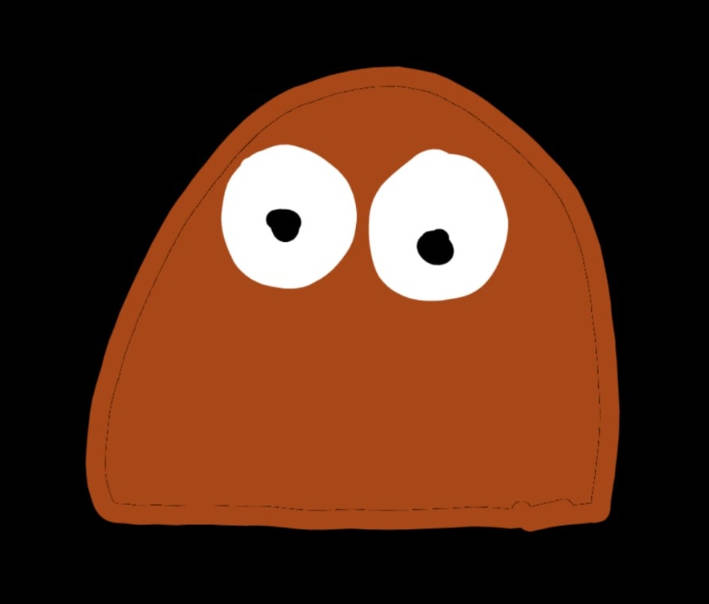
Pou-Shit is a tongue-in-cheek virtual pet app that recreates the pocket-pet experience with simple, casual interactions and a playful attitude. In this game you take care of a small creature by bathing it, feeding it, putting it to sleep, and keeping it entertained through short activities and responsive animations. Pou-Shit balances classic nurturing mechanics with mischievous options so players can explore different reactions and outcomes without long time investment.
The app focuses on short, bite-sized interactions that are easy to learn and return to throughout the day. Care routines include cleaning, feeding and rest, while a set of mini activities and playful inputs allow the pet to dance, react to touch, and display visible mood changes. A variety of cosmetic items and light progression elements keep a sense of forward motion, and the overall tone is humorous rather than serious, suited to casual mobile play.
Gameplay is driven by direct touch and simple gestures: tap to interact, swipe to move or dismiss objects, and long press for context actions such as deeper care tasks. Controls are designed to be intuitive for players of all ages and are deliberately minimal to support short play sessions. In-game prompts and visual cues guide new players through the basics so you can start caring for your pet right away without a steep learning curve.
Pou-Shit uses a lightweight progression system that rewards consistent care and experimentation. Completing care cycles and mini activities grants experience points and an in-game currency used to unlock costumes, accessories, and small decorative items. Leveling up unlocks additional interactions and cosmetic tiers, providing incremental goals that encourage repeat play while keeping the mechanics simple and approachable.
The visual design favors bold, cartoon-like characters with expressive animations that communicate mood and well-being at a glance. Sound effects and short musical stings reinforce actions such as feeding or bathing without overwhelming the experience, and animations are tuned to be readable on small screens. The aesthetic emphasizes humor and charm over realism to match the game's light-hearted approach.
Players can personalize their pet with a range of outfits, accessories, and room decorations that alter appearance but not core mechanics. Mini activities and playful mischief options provide varied outcomes and small surprises, encouraging experimentation. While customization is primarily cosmetic, it contributes to a sense of ownership and progression as you collect items and try different combinations.
Replay value comes from short daily tasks, randomized responses, and a modest set of single-player challenges that test timing or sequence of interactions. The game includes occasional random events that change the pet's mood or require special attention, introducing brief spikes in challenge. These systems are intentionally lightweight so the title remains a casual diversion rather than a demanding time sink.
Pou-Shit aims to be accessible on a wide range of devices and supports adjustable interface sizing and simplified controls for players who prefer larger touch targets. Color palettes and contrast are considered for easier readability, and prompts are concise to reduce cognitive load. The interface is optimized for single-handed play and short sessions, and the app functions offline so basic care and activities remain available without a persistent internet connection.
The design deliberately follows a familiar virtual pet formula, which means originality is modest and core actions can feel repetitive after extended play. Players who enjoy experimentation, light humor, and short bursts of interaction will find Pou-Shit enjoyable, while those seeking deep progression or complex gameplay may notice the limited action set. The app is best suited to casual players and fans of pocket-pet style titles who appreciate a low-commitment, entertaining experience.