Special Forces Group 3: SFG3
Version: 1.8
1638.40MB
4.5
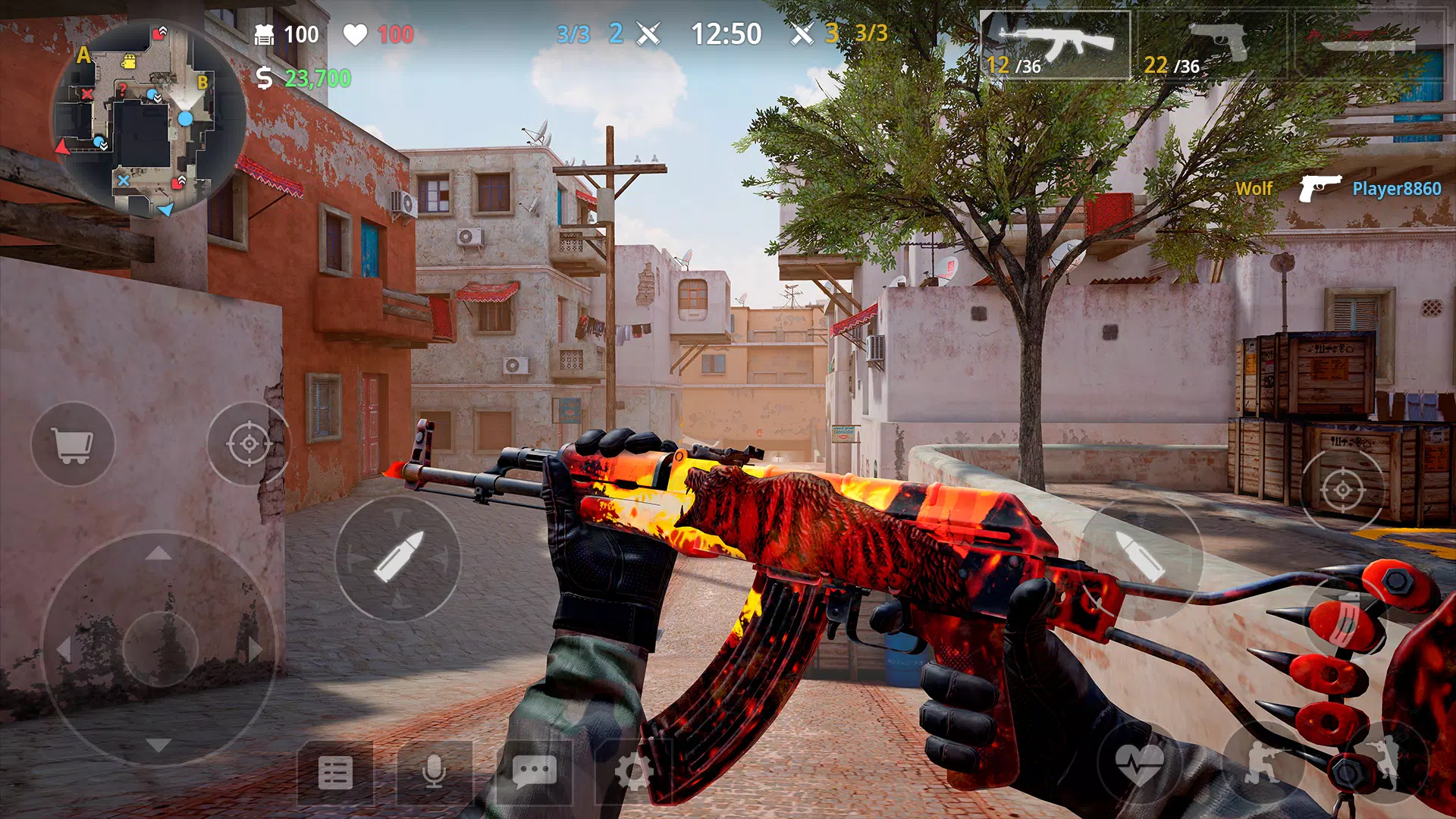
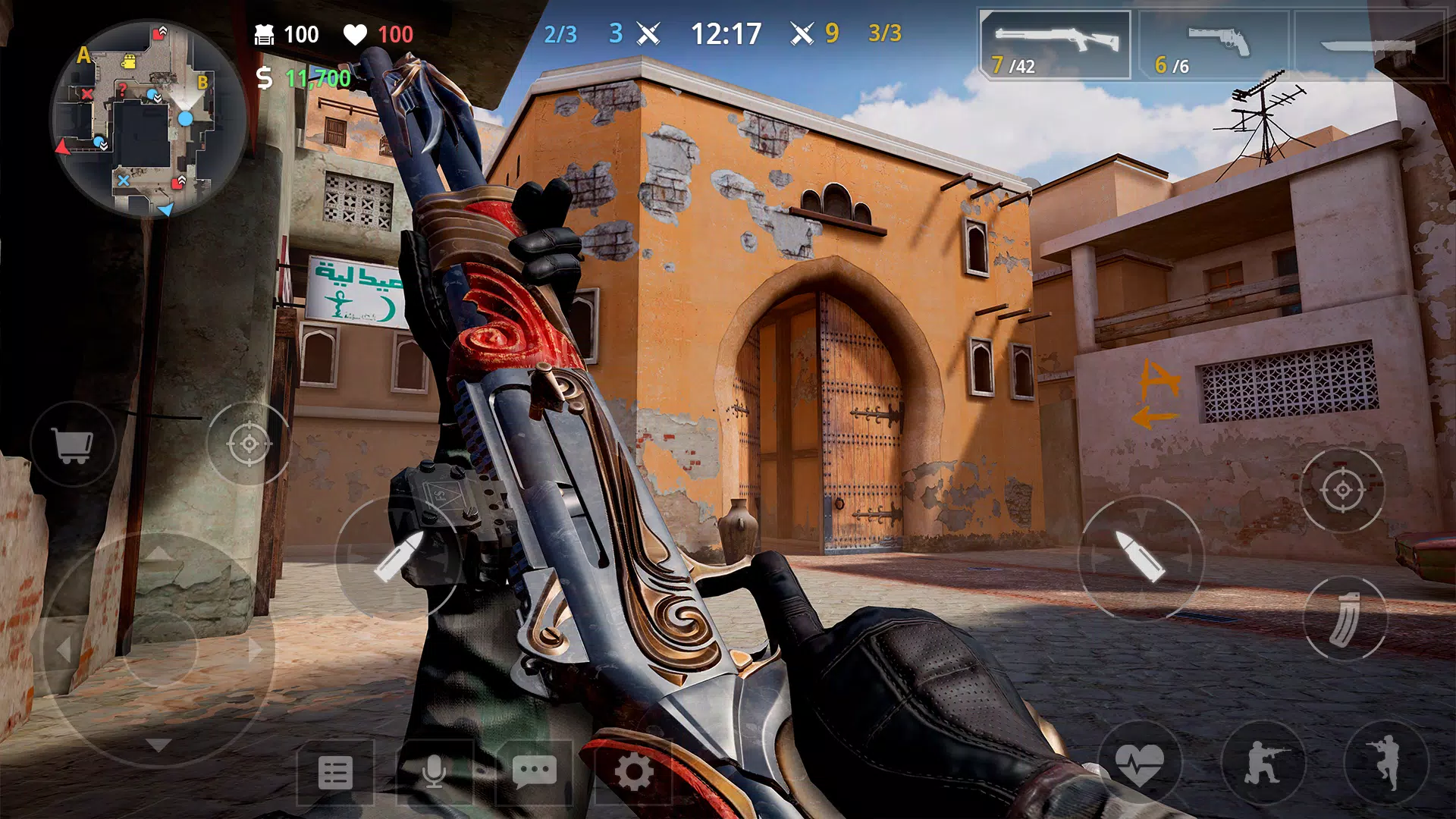
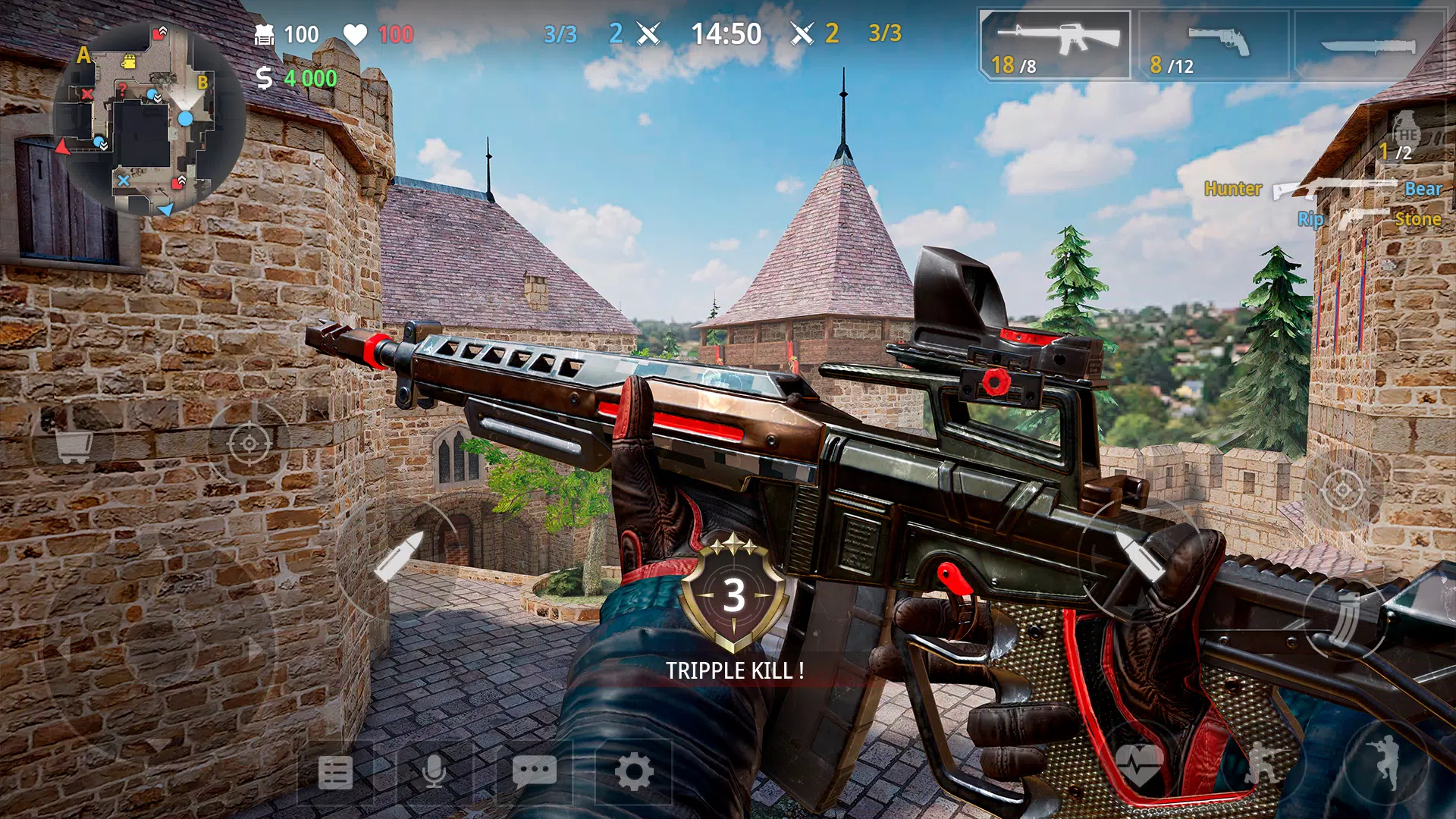
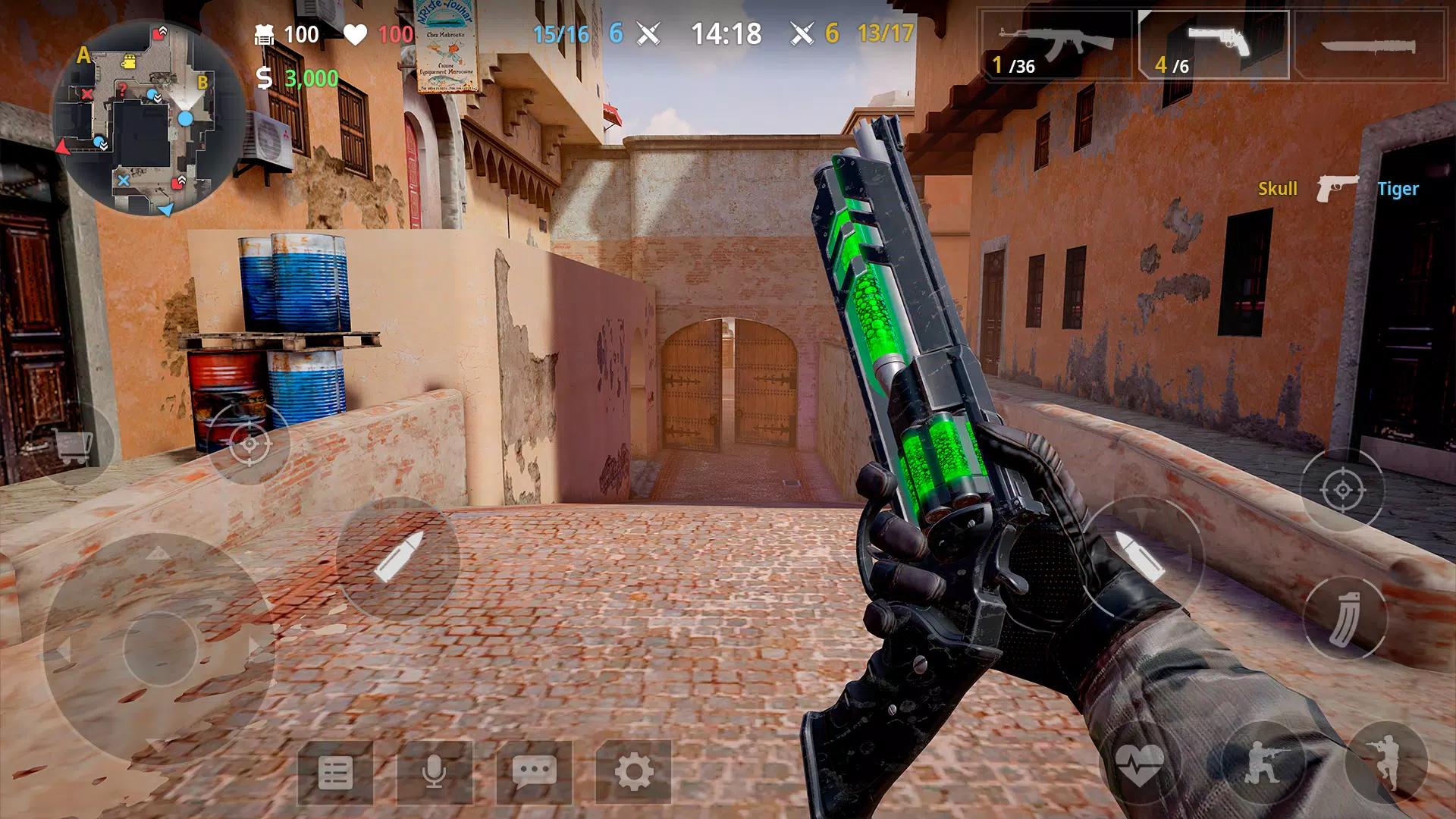
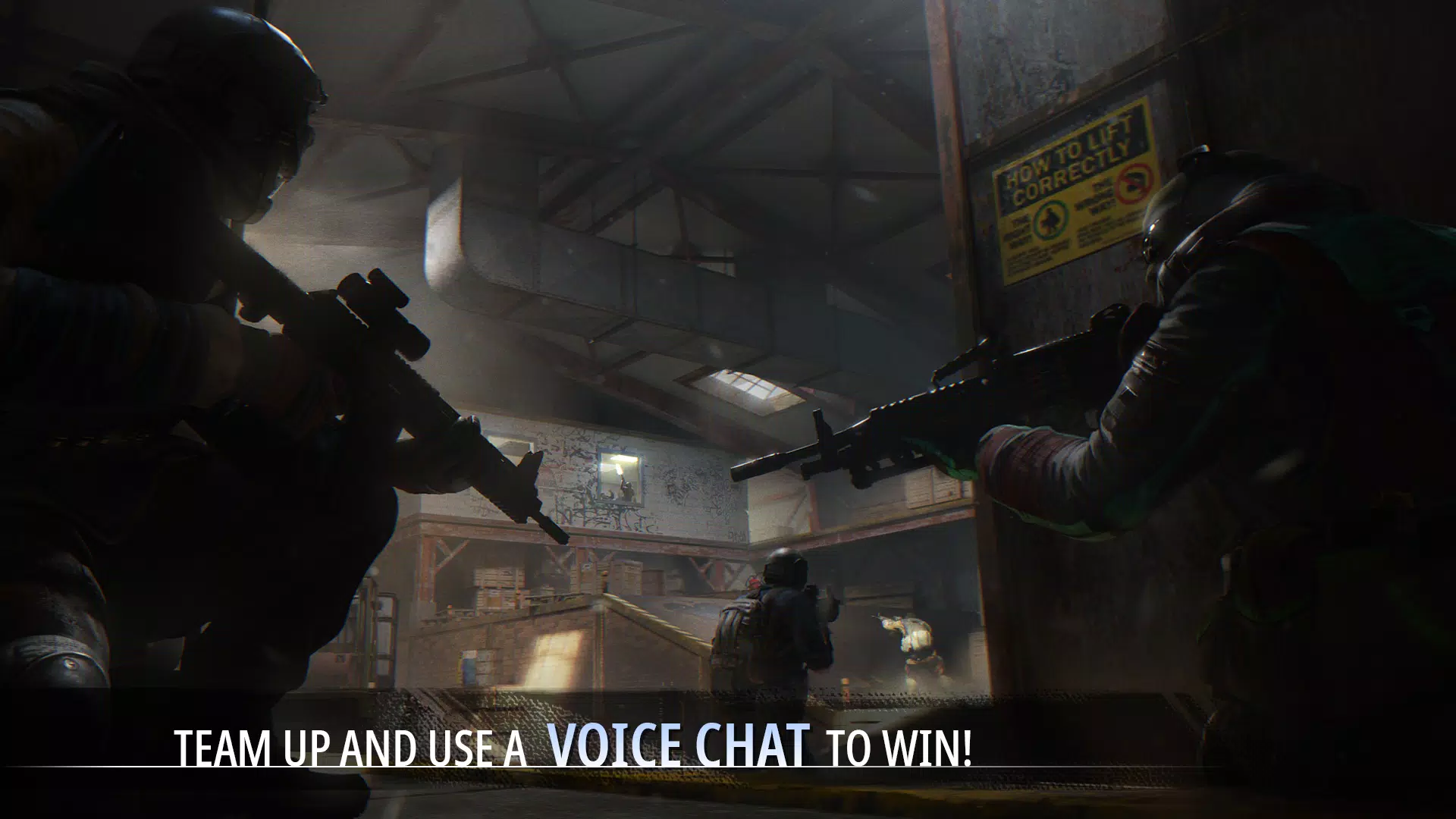
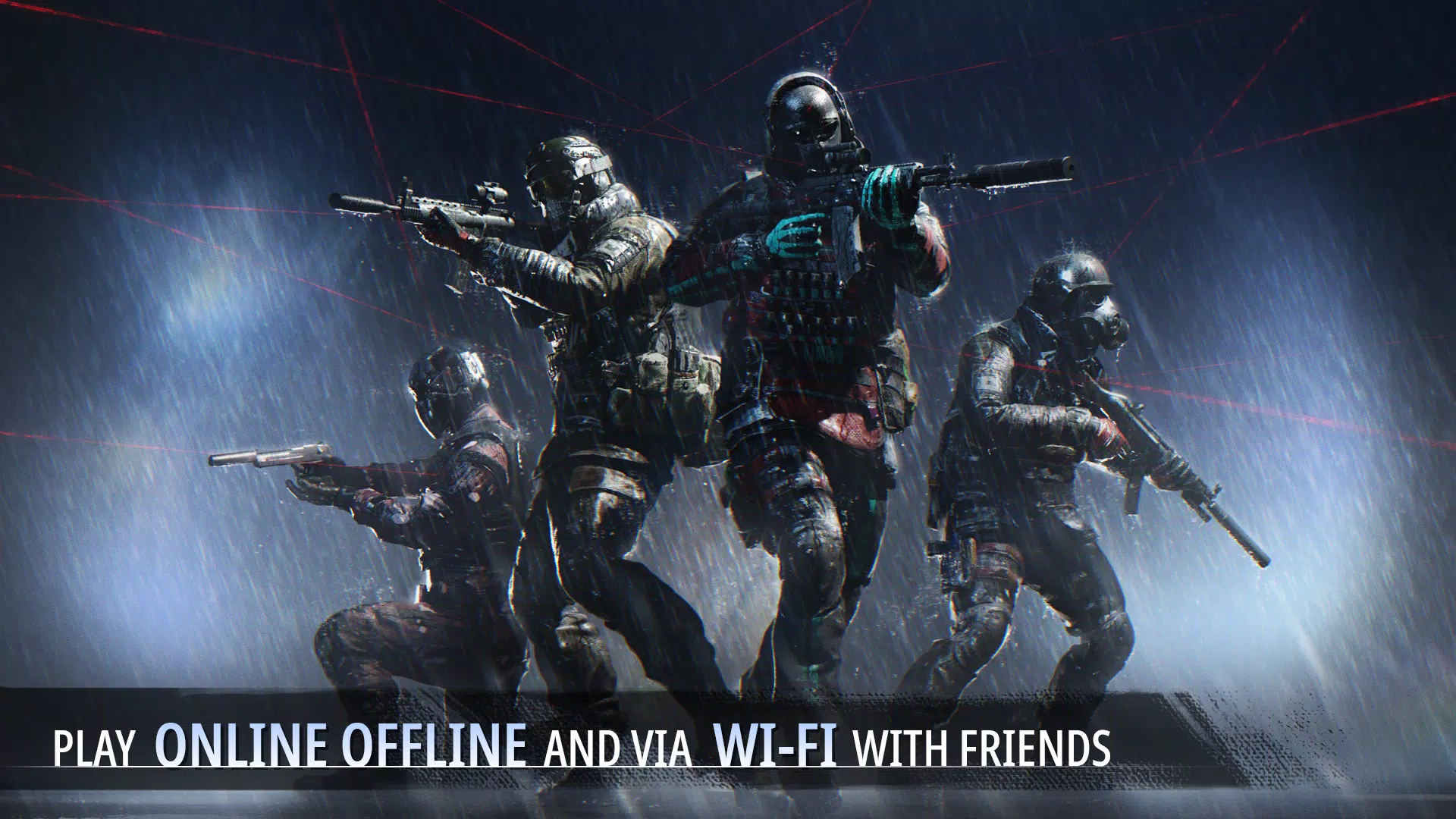
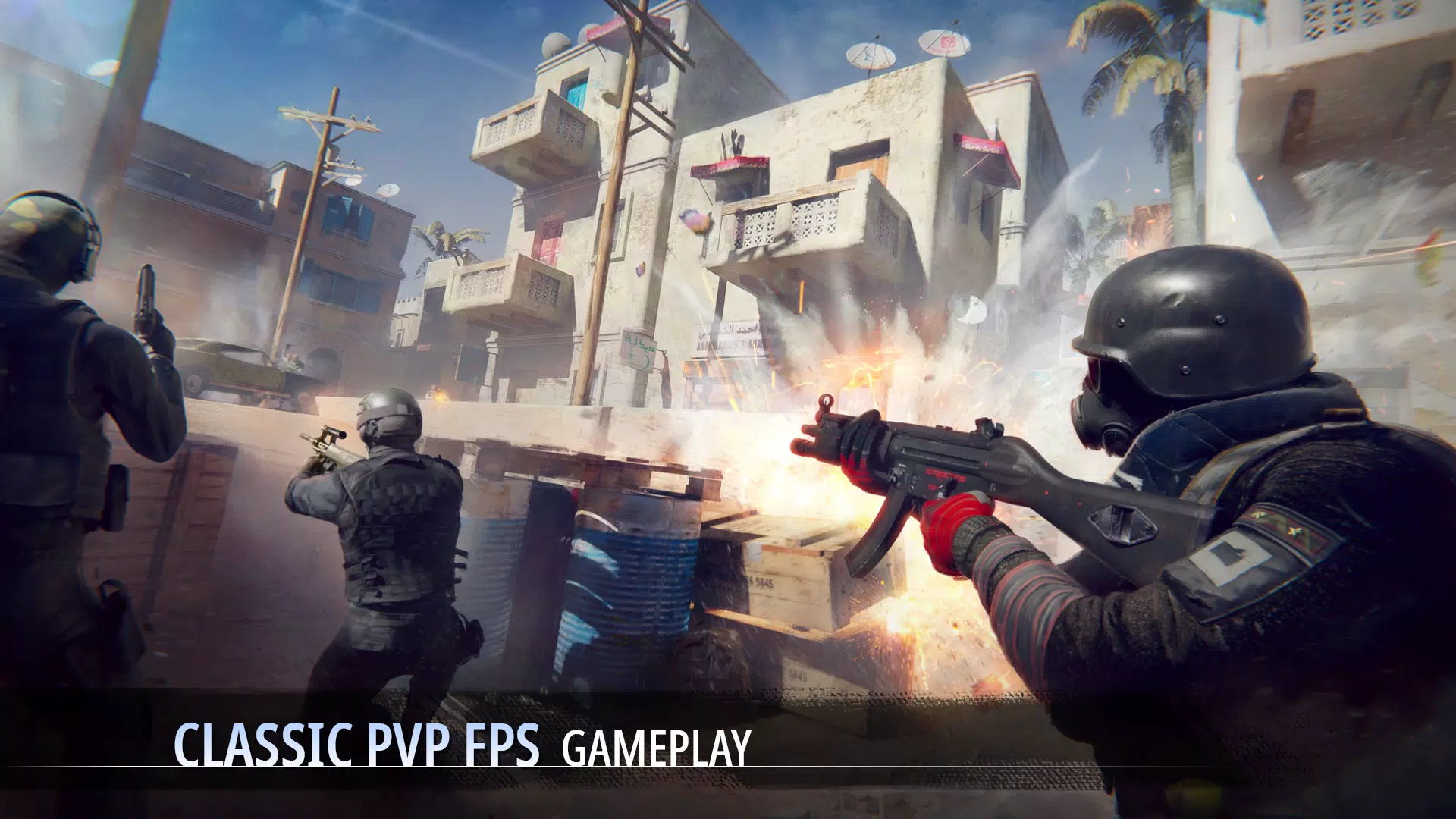
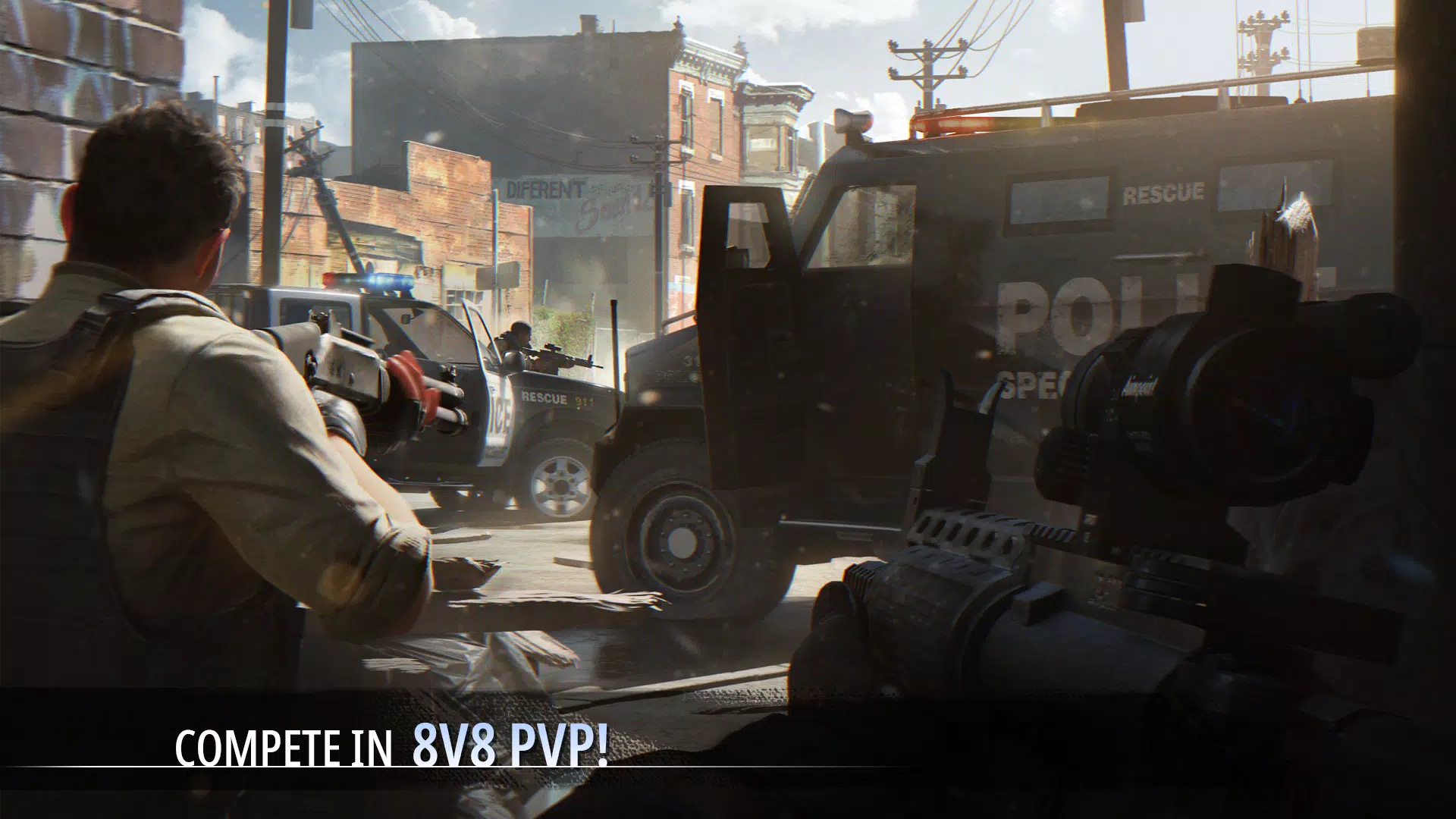
Special Forces Group 3: SFG3 delivers fast-paced multiplayer FPS action with retro-inspired graphics and tight controls. Players engage in objective-based battles, team deathmatches, and bomb missions across compact maps. The title blends classic arena shooting mechanics with modern mobile-friendly performance for short sessions on the go.
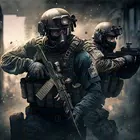
Special Forces Group 3: SFG3 is a mobile first-person shooter that focuses on competitive matches and quick rounds. Matches are designed around small teams, a limited arsenal of weapons, and compact arenas that reward map knowledge and reflexes. The aesthetic mixes low-poly visuals with clear visual cues so players can spot enemies and items quickly.
The game supports multiple modes including Team Deathmatch, Free-for-All, Bomb Defusal, and VIP escort. Each mode changes the team's objectives and pacing. Team Deathmatch emphasizes raw shooting skill and positioning, while Bomb Defusal requires coordinated play and careful timing. Rounds are short, encouraging repeated play and quick learning curves for new maps.
Loadouts are simple but effective: pistols, rifles, SMGs, sniper rifles, grenades, and melee options. Each weapon has distinct recoil and damage profiles, which reward mastery over time. Players can adopt roles such as entry fragger, support, or sniper depending on the map and mode. There is no heavy RPG progression; instead, success depends on map control, aim, and team coordination.
Maps in Special Forces Group 3: SFG3 are compact and purpose-built for arena-style combat. Expect tight corridors, elevated sightlines, and chokepoints that create frequent confrontations. Balanced spawn locations and clear objective markers keep the pace brisk and reduce downtime. Map memorization is a major part of becoming consistently effective.
Mobile controls are customizable with optional aim-assist settings to help new players. The HUD shows ammo, a mini-map, and objective indicators without cluttering the screen. Touch sensitivity can be adjusted, and the control layout allows players to move, crouch, jump, and switch weapons quickly. The interface prioritizes responsiveness over flashy overlays.
Although the art style leans toward a retro, low-poly look, the game runs smoothly on a wide range of devices. Developers tuned performance for steady frame rates to ensure input feels snappy during firefights. Graphics settings offer options to lower detail to maintain consistent performance on older phones or raise fidelity for newer hardware.
Matchmaking focuses on casual competitive play rather than long-term ranked ladders. Players can join quick matches, party up with friends, or practice in offline modes. Communication tools are lightweight — quick chat commands and emotes — keeping the emphasis on gameplay rather than long text exchanges.
Players keep coming back to Special Forces Group 3: SFG3 because matches are quick, skill-based, and easy to jump into. The combination of straightforward mechanics and competitive depth makes it satisfying to improve. Casual sessions are fun, while skilled players can find room to practice aim and team strategies.
Installation is straightforward: download, grant basic permissions, and choose control preferences before jumping into the tutorial. New players should spend time in a few casual matches to get familiar with recoil patterns and map layouts. With minimal progression gates, the learning curve is mostly mechanical and strategic rather than grind-based.
For fans of classic arena shooters who want fast mobile matches, Special Forces Group 3: SFG3 provides accessible combat, focused maps, and a performance-first experience that rewards practice and teamwork.