
Demon Hunter 4
Version: 1.0
0.00MB
4.1
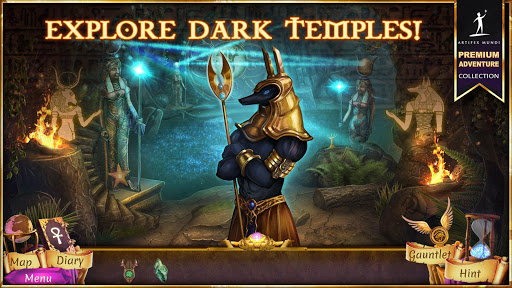
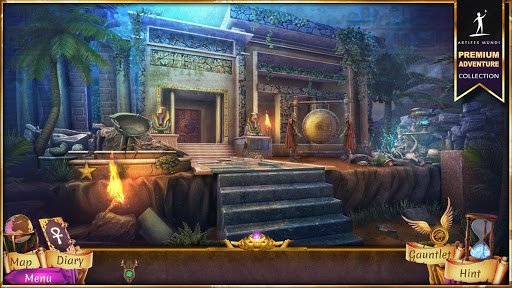
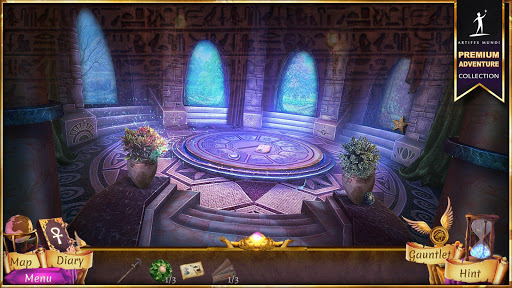
Demon Hunter 4 is an action RPG that puts players in the role of a relentless monster slayer navigating cursed landscapes, refining weapons, and chaining abilities. Fast-paced encounters, diverse enemy types, and a layered progression system create a tense hunt-and-loot loop focused on skill, timing, and smart builds.
At its center, Demon Hunter 4 emphasizes short, intense sessions that reward precision. Players move through compact levels hunting elite foes, gathering resources, and returning to a hub to upgrade equipment. Combat blends melee and ranged attacks, with counters and dodge windows that shift an encounter from chaotic to tactical when mastered.
Combat in Demon Hunter 4 relies on timing and adaptability. Each weapon type has unique animations and combo opportunities; spellcraft and traps offer area control while special skills provide burst damage or crowd management. The encounter design encourages mixing styles—switching between hit-and-run tactics and sustained offense depending on the enemy roster.
Progression is driven by experience, gear, and unlockable talent trees. Players earn upgrade materials by clearing dungeons and defeating bosses, then enhance weapons, armor, and augmentations. The talent system allows focused builds: you can specialize in devastating criticals, defensive survivability, or mobility-based playstyles. Item rarity and affixes add customization depth.
Environments range from ruined fortresses to shadowed forests and molten caverns, each with distinct hazards and layout patterns. Level design balances linear assault corridors with optional branching rooms that contain high-risk rewards. Enemy types are varied—skirmishers, heavy brutes, spellcasters, and screen-clearing bosses—each demanding different counters and positioning strategies.
Boss encounters are highlights, built around phases that introduce new mechanics or environmental threats. Successful runs depend on learning attack telegraphs, timing defensive maneuvers, and reacting to changing arenas. Frequent mini-bosses and elite groups provide steady difficulty spikes, keeping the core loop engaging without overstaying its welcome.
The visual style favors moody lighting, detailed enemy silhouettes, and crisp spell effects that communicate impact. Animations are tuned to feel responsive, helping players read enemy intentions. Sound design supports gameplay clarity—distinct audio cues signal key attacks and ability readiness, which complements the visual feedback for more satisfying encounters.
Demon Hunter 4 offers intuitive touch controls optimized for on-screen play, with customizable layouts to suit different hand sizes and play preferences. Responsiveness is a priority: movement feels tight, and attack inputs register consistently. Performance scales across devices, with options to lower particle effects or texture quality to maintain smooth frame rates on older hardware.
Beyond raw stats, gear in Demon Hunter 4 carries modifiers that alter playstyle—life leech, cooldown reduction, or critical multiplier bonuses change how abilities are used. Cosmetic adornments allow players to personalize their hunter without impacting balance. Crafting systems let you reroll specific attributes, promoting long-term experimentation and goal-setting.
New players should spend early hours experimenting with weapon archetypes and unlocking a single talent branch before branching out. Focus on a reliable dodge or shield skill to survive boss phases, and prioritize upgrades that enhance your chosen playstyle. Regularly check vendors and crafting benches for upgrades that complement your core strategy.
Demon Hunter 4 presents a focused action experience with layered systems that reward learning and adaptation. Its blend of intense combat, varied environments, and meaningful progression makes each run feel purposeful as you refine your hunter and tackle more challenging content.