Misland
Version: 1.0.6
0.00MB
4.3
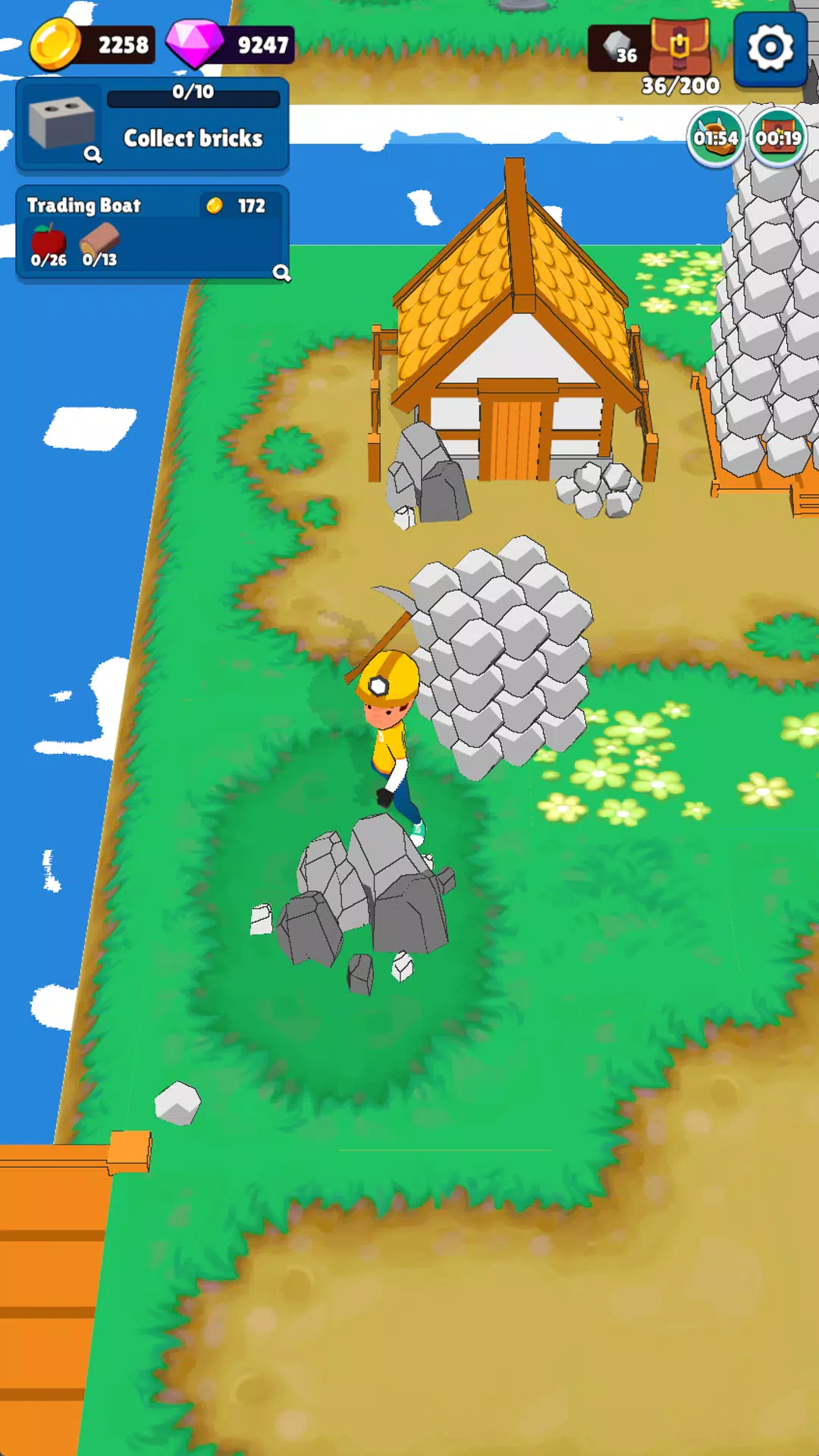
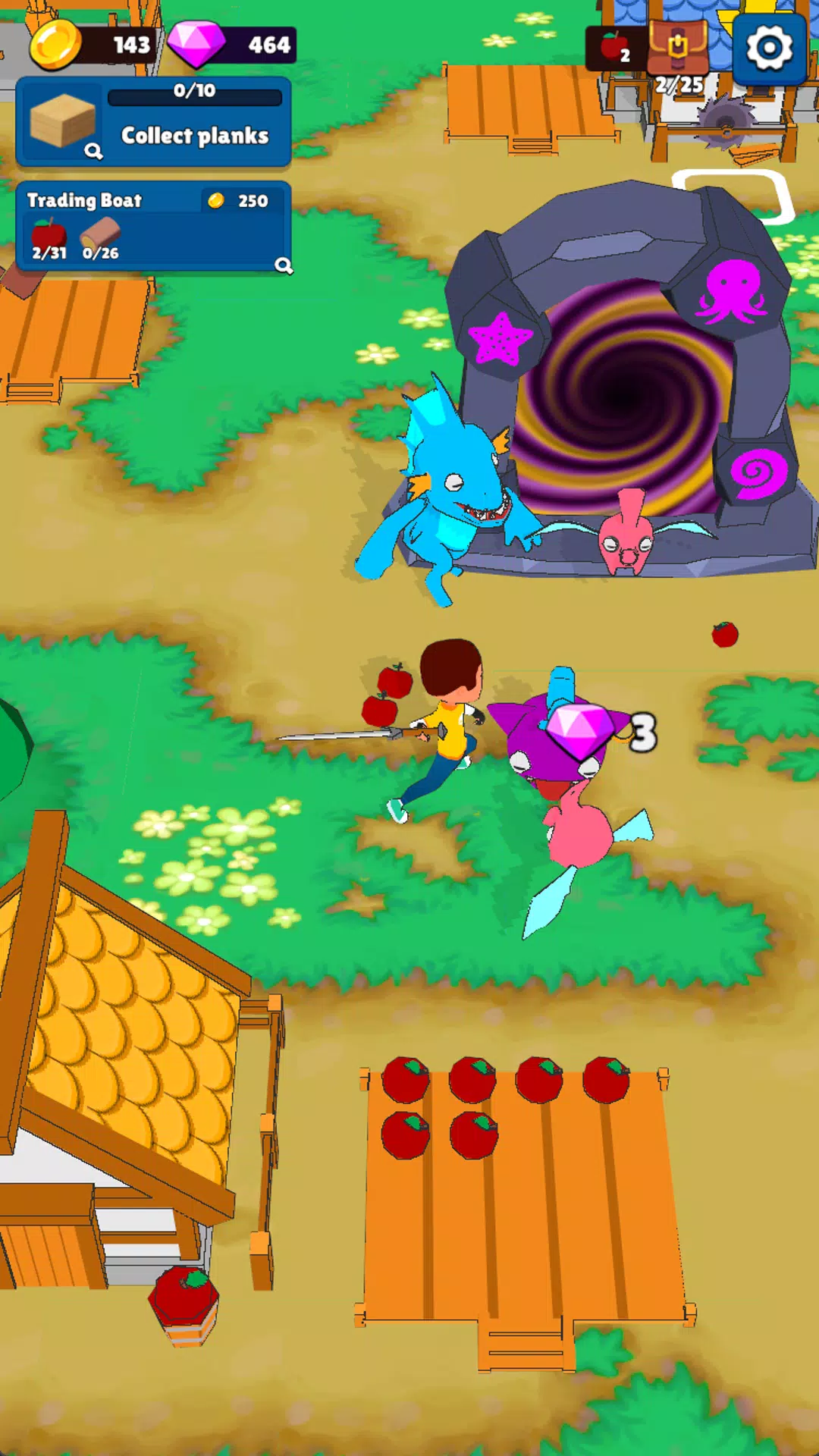
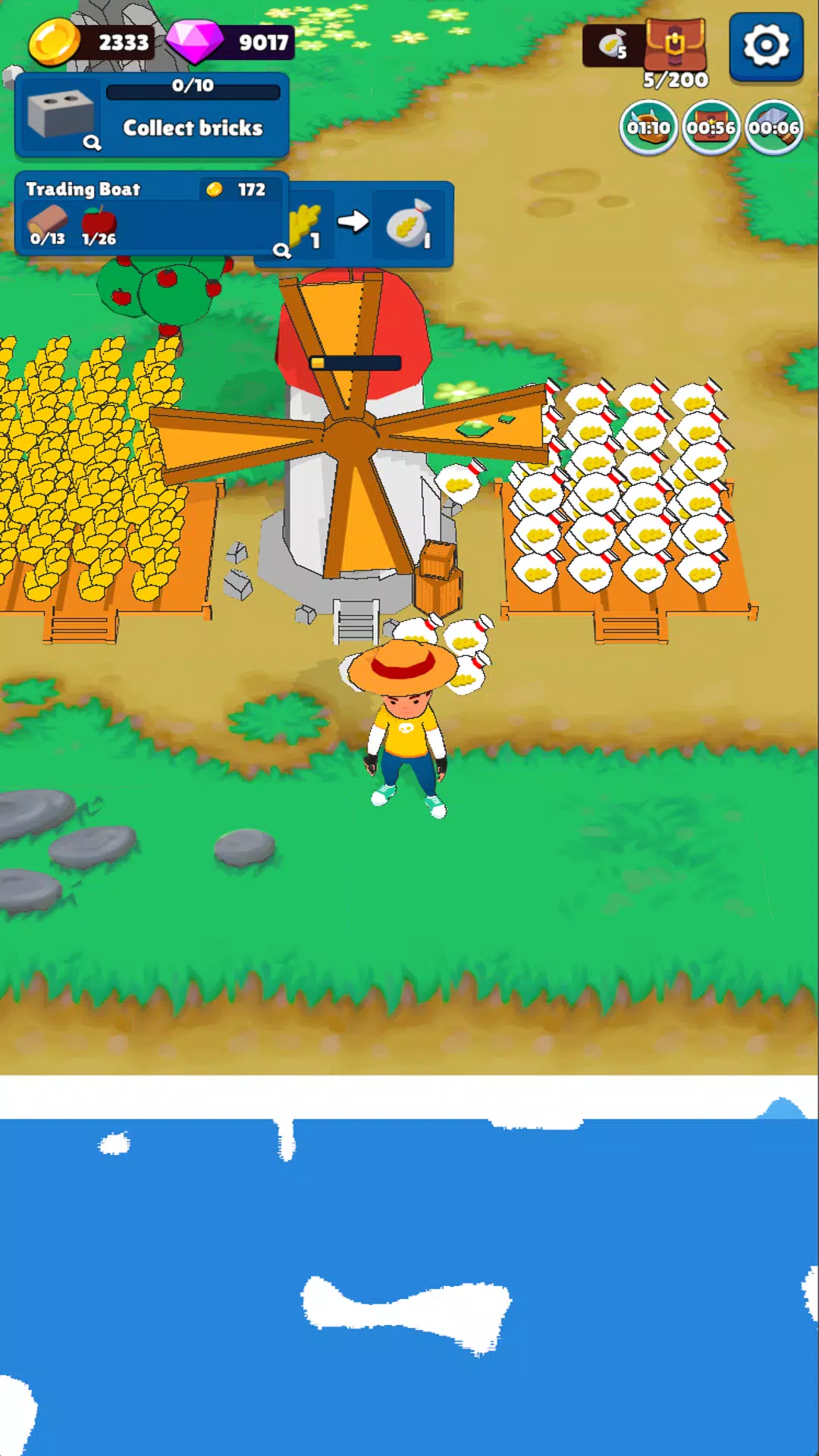
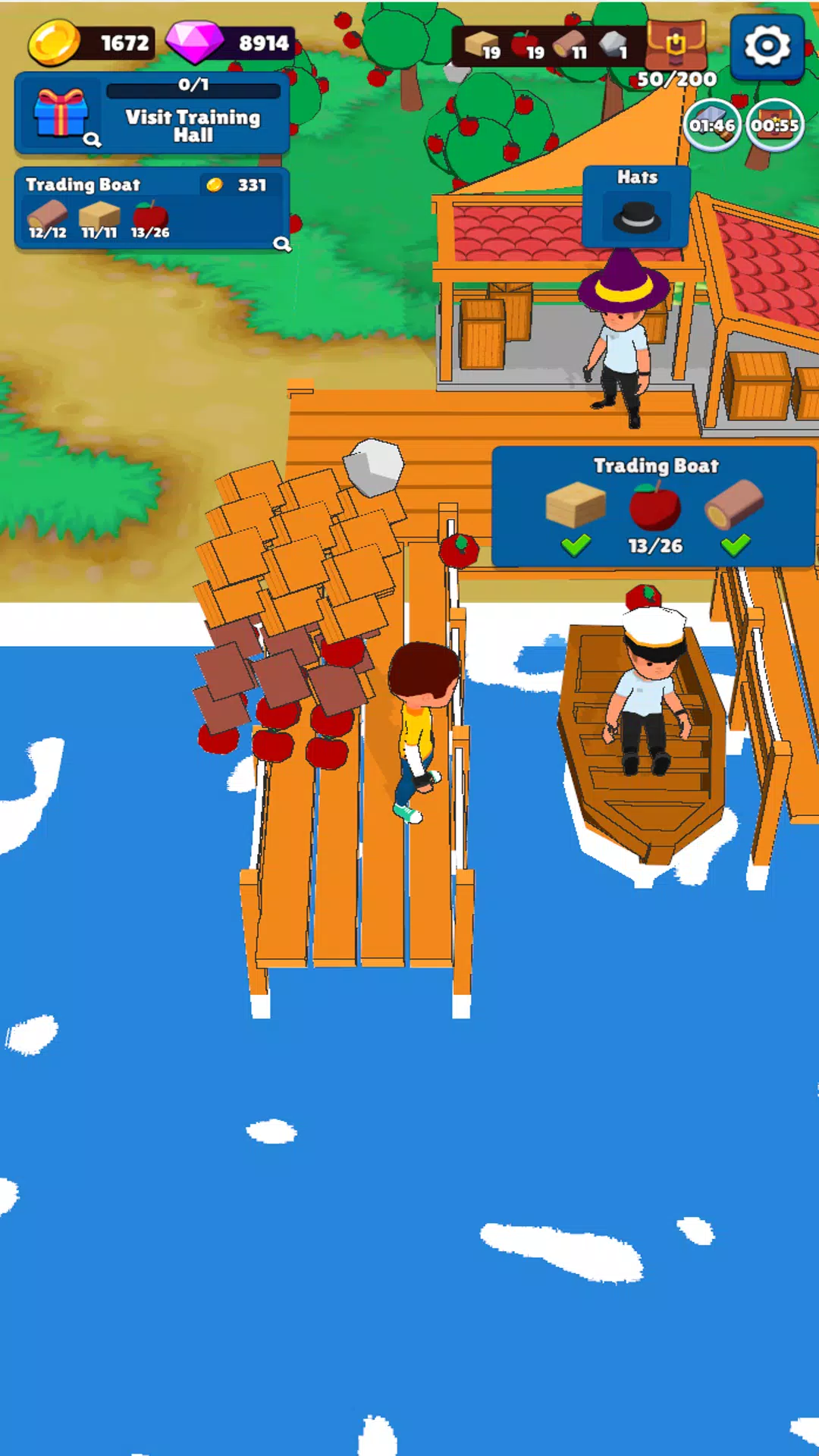
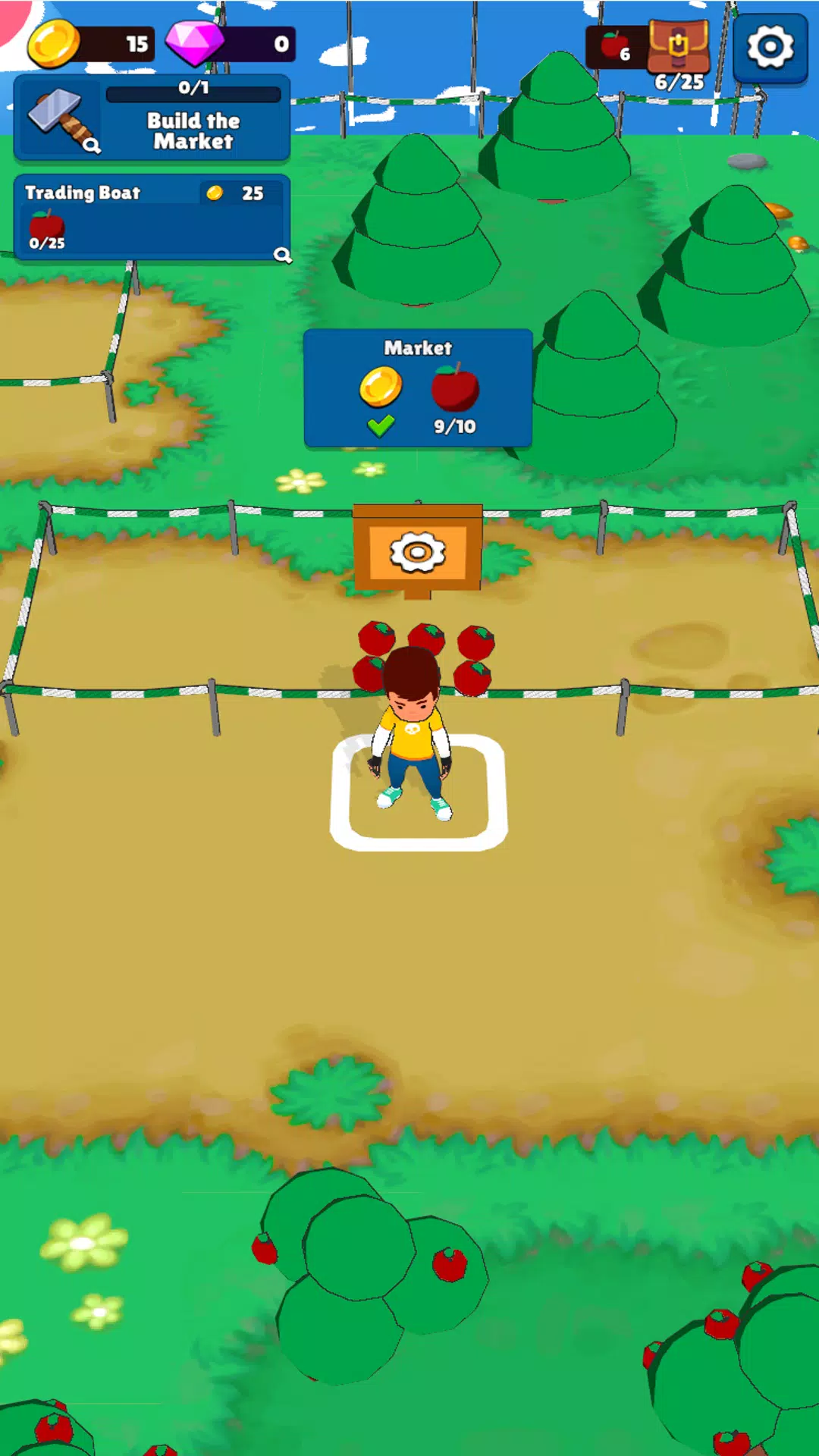
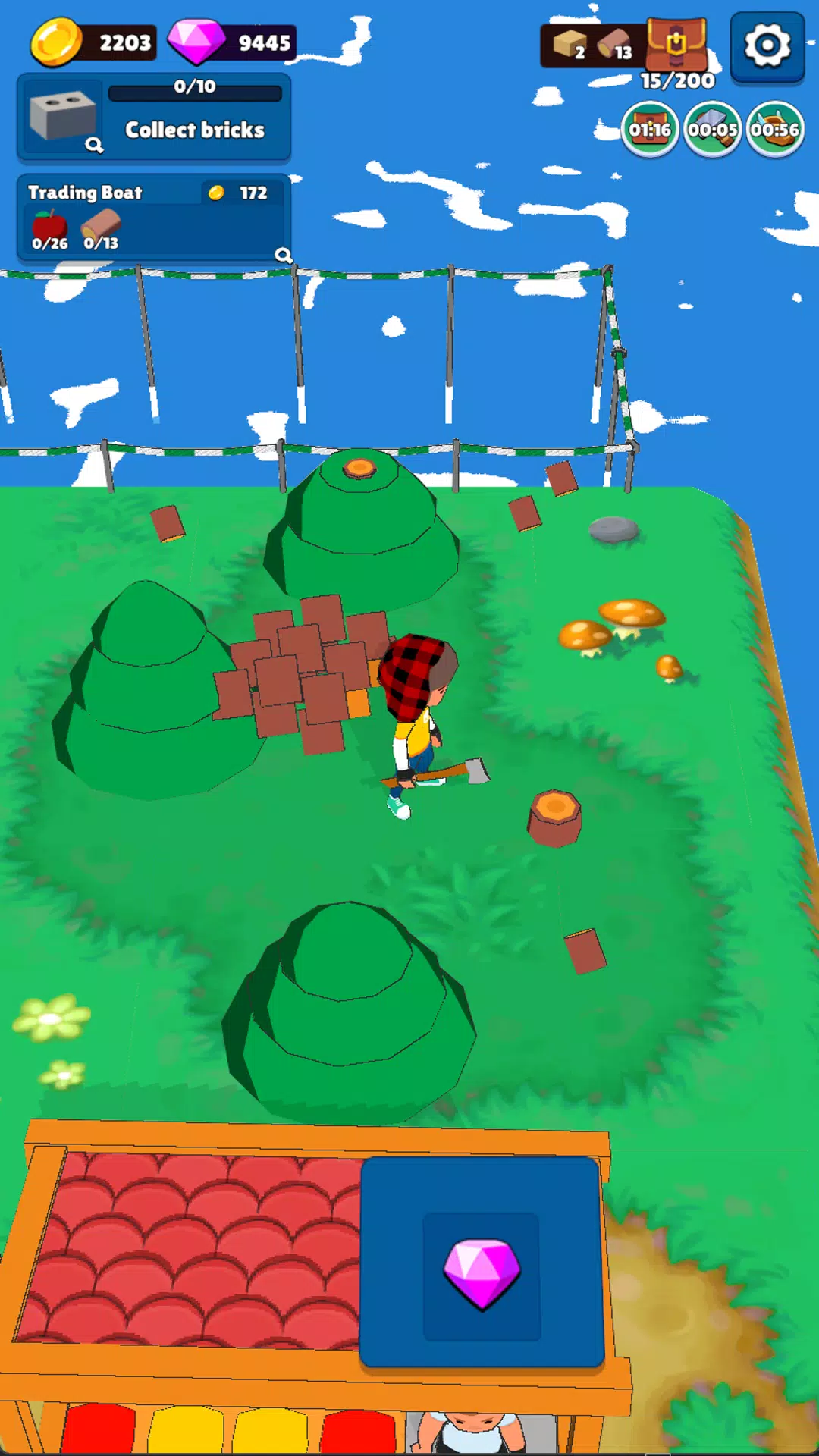
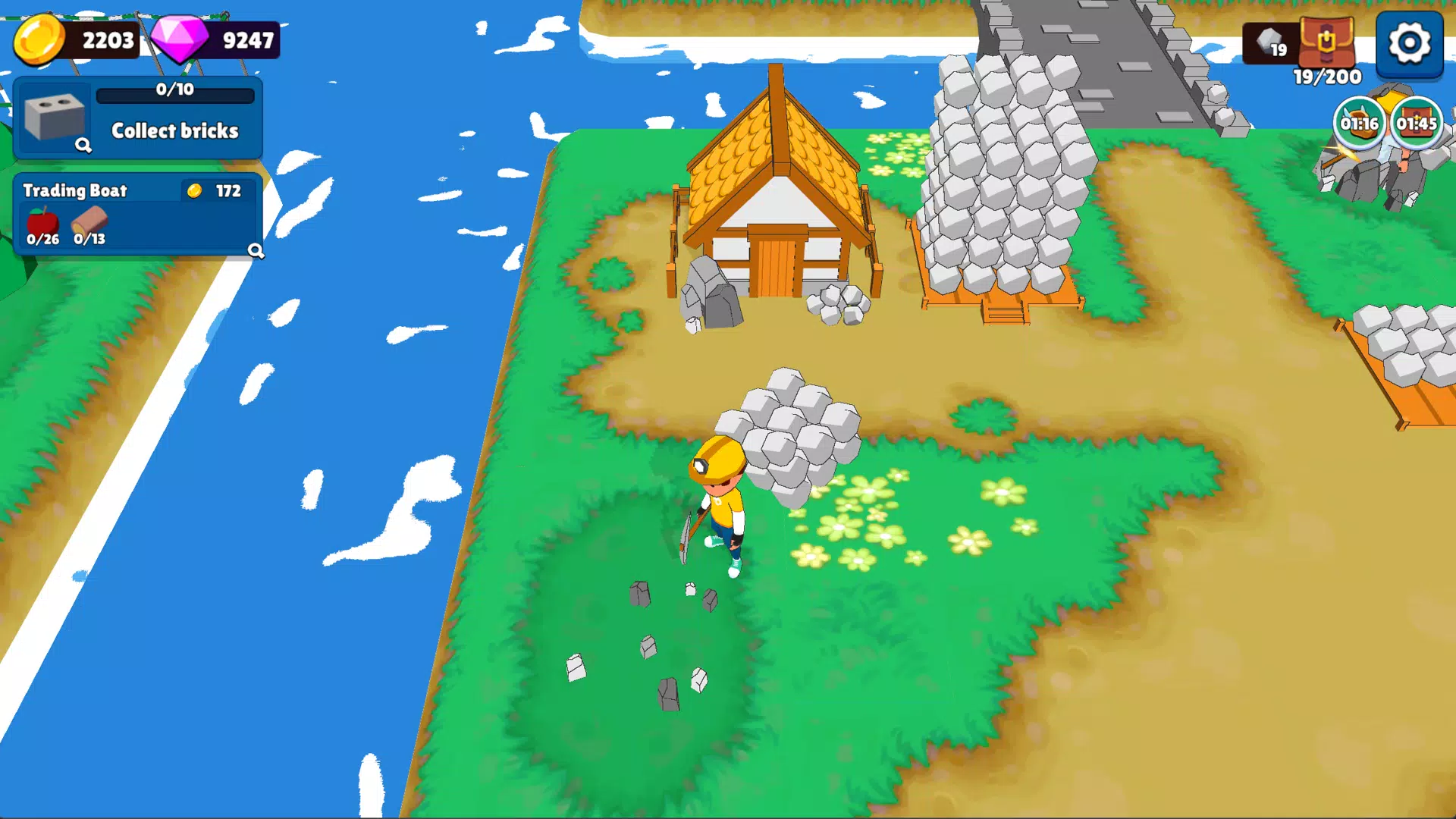
Misland is an action-adventure mobile game that blends exploration, tactical combat, and base-building into one cohesive experience on Android. Players traverse varied biomes, recruit allies, and craft upgrades while solving environmental puzzles and confronting dynamic threats across sprawling maps designed for replayability.
The setting of Misland combines atmospheric environments with interactive elements that reward curiosity. Each region has unique hazards, hidden caches, and environmental puzzles that change how you approach an area. Day-night cycles and weather effects alter enemy behavior and open new traversal routes, making every visit feel fresh.
At the center of the experience are exploration, combat, and base management. Exploration encourages scouting routes and uncovering shortcuts. Combat balances quick reflexes with strategic use of equipment, allowing players to switch tactics mid-encounter. Base management integrates crafting and resource allocation, enabling long-term progression and meaningful choices about upgrades.
Progression in Misland mixes character growth with equipment and base improvements. Players earn resources through missions, scavenging, and completing challenges. Upgrades unlock new abilities, improve tool efficiency, and expand crafting recipes. The progression curve is designed to reward investment while offering optional content for players who enjoy exploration rather than grinding.
The game features a roster of characters and recruitable companions, each with distinct abilities and synergy options. Building a team involves selecting complementary skillsets — some excel at crowd control while others provide utility or sustained damage. Customizable loadouts and skill trees allow players to create specialized builds or flexible all-rounders based on preferred playstyle.
Maps in Misland are detailed and layered, with verticality and interconnected pathways that promote discovery. Major hubs serve as safe zones for trading, crafting, and planning expeditions. Side areas hide secrets and optional bosses that provide high-value rewards but require careful preparation. The design supports both short exploratory sessions and extended campaigns.
Controls are optimized for touchscreens with responsive input, customizable HUD scaling, and context-sensitive actions that simplify complex moves. Performance settings allow older devices to maintain stable frame rates while higher-end hardware can enable richer graphical effects. The game includes options for control remapping and sensitivity adjustments to suit different play preferences.
Visually, Misland mixes stylized art with realistic lighting to craft memorable locations. Animations are designed to convey weight and impact during combat, and particle effects highlight key moments without overwhelming the screen. The soundscape supports immersion through varied ambient tracks, clear audio cues for enemy actions, and distinct sounds for different equipment types.
Cooperative modes allow players to team up and tackle tougher challenges, while asynchronous systems let you trade items or share blueprints with other players. Social features focus on meaningful interactions without forcing competitive pressure, encouraging cooperative exploration and strategy sharing.
Newcomers should begin by completing the tutorial missions to learn movement, combat basics, and crafting. Prioritize unlocking a versatile companion and upgrading core tools to make early exploration smoother. Regularly return to your hub to process scavenged materials and refine strategy based on new threats encountered in the field.
Longevity comes from the interplay of map variety, emergent encounters, and a progression system that supports multiple approaches. Misland rewards experimentation, whether that means perfecting a build, tackling optional bosses, or discovering hidden routes across biomes. The game strikes a balance between immediate action and longer-term planning to keep play sessions engaging.