Diana and Roma
Version: 1.7
24.93MB
4.4
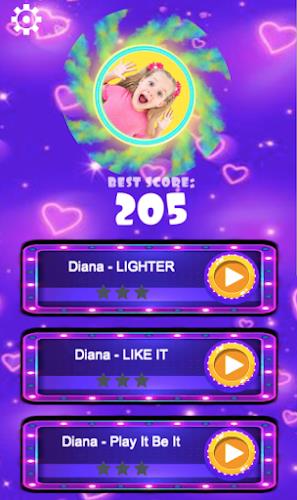
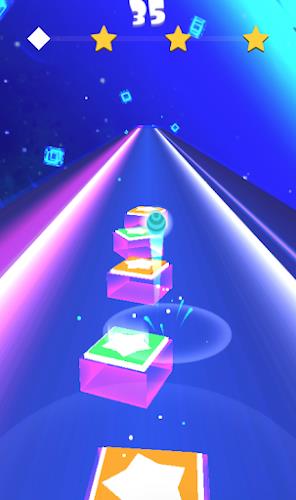
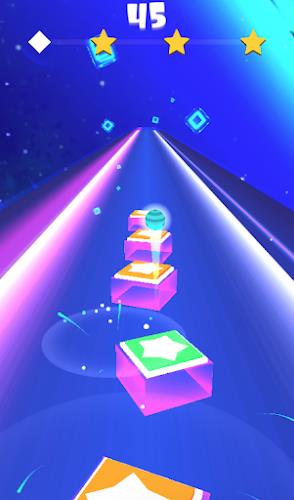
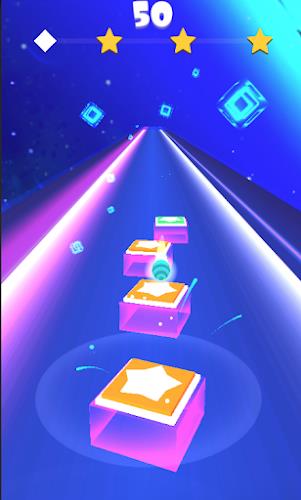
Diana and Roma is a vibrant musical tile game that combines rhythm-driven timing with physics-based ball movement to create short, engaging level challenges. In this title you guide one or more bouncing balls across a sequence of colorful tiles that correspond to familiar Diana Show melodies, using simple tap, hold and drag gestures to keep pace with the beat while avoiding gaps and obstacles. The core loop is approachable for new players yet layered with timing and strategy, so sessions can be a quick break or a focused attempt to master a specific stage.
The game presents brightly colored tile layouts that are synchronized to real Diana Show songs, where each tile triggers a beat players can follow to time their moves. Physics-driven ball behavior responds to taps, holds and drags, making momentum and bounce feel deliberate rather than automatic. You can introduce extra balls at strategic moments to cover gaps or clear tricky patterns, adding a tactical element to otherwise rhythm-focused play. Levels are organized in increasingly challenging sets, and the controls remain easy to pick up—deliberately designed so music and movement stay at the center of the experience.
In Diana and Roma the controls are intentionally simple: a tap to nudge the ball, a hold to sustain movement, and a drag to shift direction across adjacent tiles. These gestures translate into consistent physics responses, so learning feels skill-based rather than random. Timing cues come from both the soundtrack and the visual pulse of tiles, helping you anticipate gaps and obstacles. Extra balls can be thrown ahead to bridge wide gaps or used as a living shield in tricky stretches, while single-ball runs reward precise timing. The input system is responsive on touchscreens and supports short practice runs to refine rhythm and coordination.
Progression is level-based, with each stage introducing new tile arrangements, obstacle patterns and tighter timing windows. Early levels focus on establishing the rhythm and basic maneuvers; later stages layer in more complex gaps, moving platforms and sequences that demand split-second timing. Replay value comes from attempting cleaner runs, using extra balls more efficiently, and learning the musical cues that mark safe moments to move. Because the game is structured into discrete levels, it’s easy to revisit favorite stages to improve your personal performance and build consistency over time with the Diana and Roma soundtracks guiding each attempt.
The visual presentation emphasizes bright, high-contrast tiles and clear animations so beats are easy to read at a glance. Tile colors, animated pulses and subtle stage backgrounds help convey rhythm without distracting from gameplay. Settings offer options to adjust audio levels and control sensitivity so players can match the feel to their device and preferences; visual indicators and consistent animation timing make the game approachable for different play styles. The overall aesthetic favors cheerful, family-friendly visuals that complement the musical focus.
The design considers accessibility by relying on a combination of audio and visual cues, making it possible to play using the sense that works best for the user. Controls are simple enough to be used one-handed, and levels are compact, so players with limited time can still make measurable progress. The game can be enjoyed offline once installed, allowing practice without a persistent internet connection and making it convenient for travel or brief play sessions where connectivity is limited.
Listen to the melody and watch the tiles’ visual pulses to anticipate safe moments to move; rhythm is as important as position. Use extra balls sparingly and with intent—deploying one at the right moment can convert a difficult sequence into a manageable run. When a stage feels frustrating, try breaking it into short segments and focus on mastering each pattern before attempting the full sequence. Levels include deliberate challenge sections that reward patience and pattern recognition rather than reflex alone, and mastering those sections is the best way to progress steadily through Diana and Roma.