Idle Tycoon: Outlet Store
Version: 1.1
0.00MB
4.2



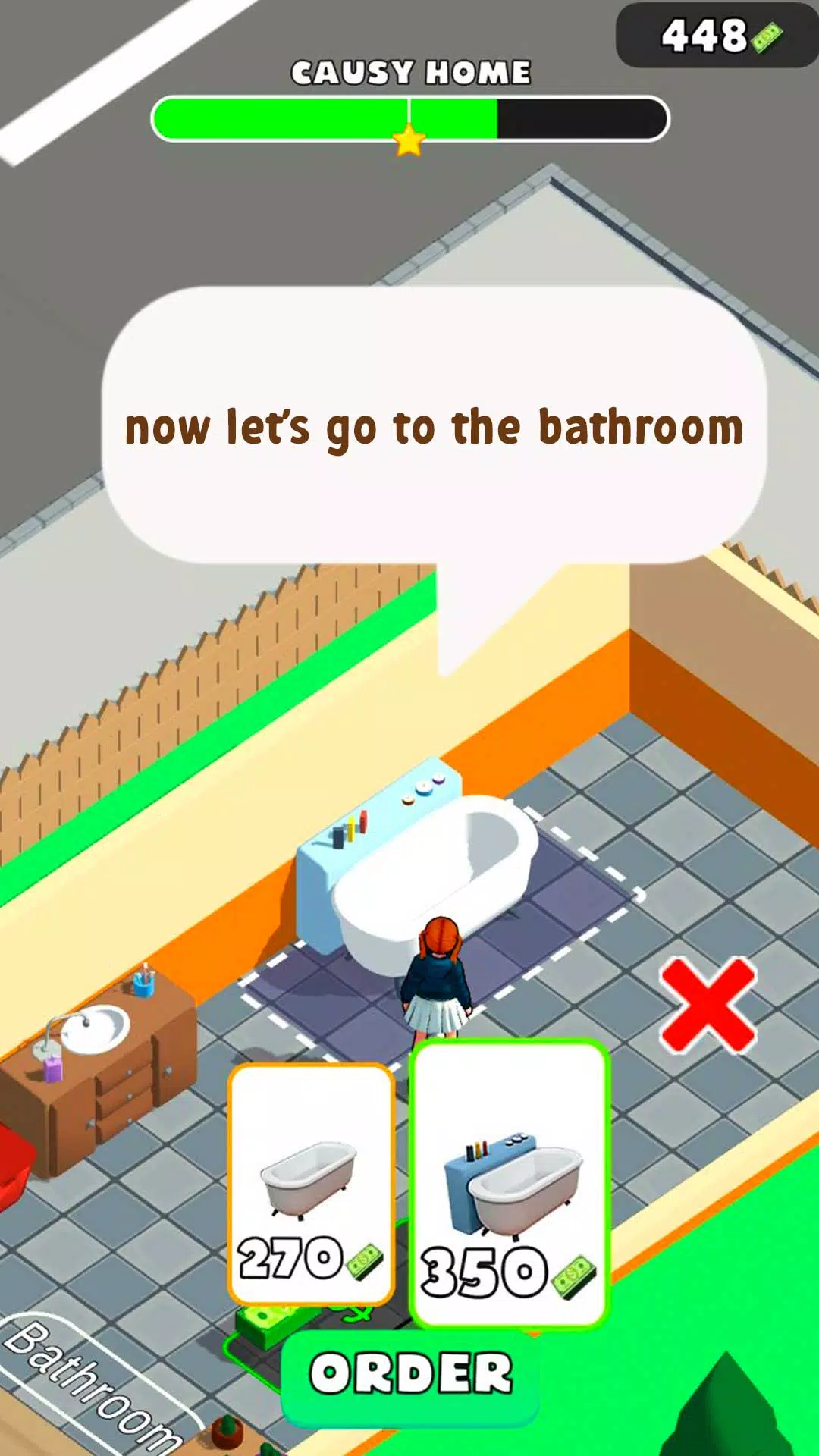


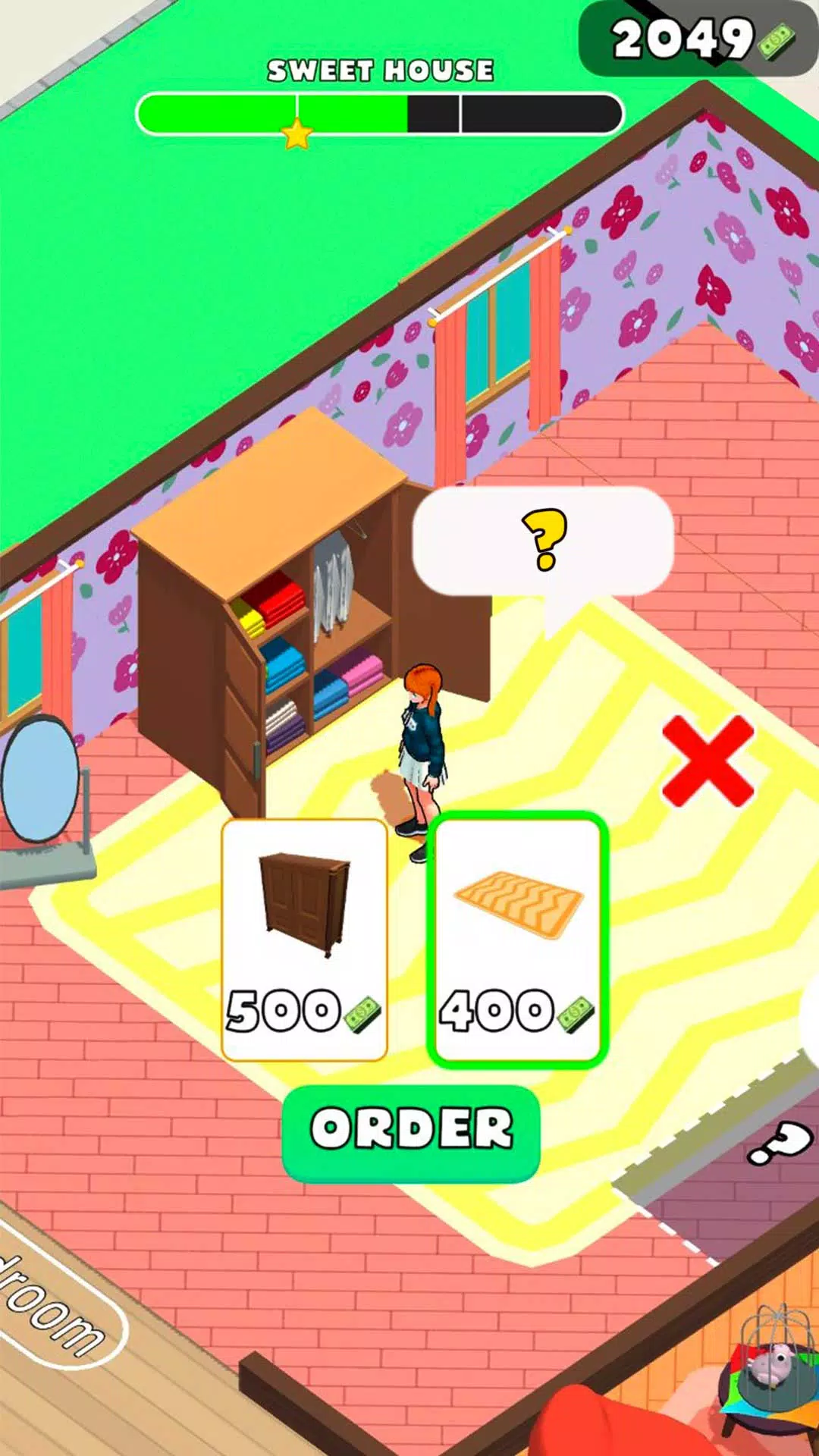

Idle Tycoon: Outlet Store is an idle clicker and retail management game that puts you in charge of transforming a modest corner market into a busy multi-floor shopping center. The opening minutes introduce simple tap mechanics for collecting revenue and upgrading individual shops, while deeper systems let you plan expansions, hire and train staff, and invest in infrastructure such as a car park and advertising to influence foot traffic. Idle Tycoon: Outlet Store balances casual play sessions with layers of strategy so players can progress at their own pace and still face meaningful optimization decisions as the mall grows.
The core gameplay revolves around tapping to collect income from stores, assigning managers to automate earnings, and spending profits on new departments and floors. Controls are intentionally simple: tap to speed up earnings, long-press to access upgrade menus, and drag to rearrange departments when customization is available. While automation reduces the need for constant interaction, active tapping and timed boosts reward short play sessions and tactical choices. Store types have different earning rhythms and upgrade trees, encouraging you to alternate between manual collection and passive management depending on your goals for a given session.
Progression in Idle Tycoon: Outlet Store is driven by a combination of incremental upgrades, strategic investments, and milestone achievements. Revenue upgrades increase base income per store, while staff training and new infrastructure improve efficiency or customer throughput. You unlock new trading zones and specialty departments that attract distinct customer profiles, so learning which combinations work best is part of the long-term strategy. Periodic milestones and missions provide clear short-term objectives that also feed into a larger plan for unlocking additional floors and areas of the mall. Strategic players will experiment with advertising, pricing adjustments and targeted store placement to create effective synergies between departments.
The visual presentation emphasizes readable, friendly art and smooth animations suitable for both quick play and longer sessions. Stores and floors are visually distinct so you can quickly identify which departments are performing well, and level structure unfolds as you open new floors and trading zones rather than forcing a single linear path. Each floor introduces a fresh mix of shops and layout possibilities, and the game scales both in variety and complexity as you expand. Animations communicate progress clearly without overwhelming the interface, making it easy to track revenue, staff status and queue lengths at a glance.
Customization in the game focuses on store upgrades, staff roles and development systems rather than cosmetic microtransactions. You can prioritize staff training, assign specialist managers to specific departments, and choose which infrastructure projects to fund first. These choices affect how quickly different shop types scale and how efficiently customers are served. The management layer encourages planning: investing in targeted improvements can unlock better revenue curves and make later expansions more profitable, adding a rewarding sense of control for players who enjoy optimization.
Replay value comes from trying different strategies and adjusting to evolving challenges as the mall expands. Although the core loop is idle-friendly, challenge systems such as timed missions, achievement milestones and periodic events provide opportunities to test new tactics. The increasing number of store types and strategic trade-offs between short-term profit and long-term upgrades make each playthrough feel distinct. For players who prefer a lighter experience, the automation features let progress continue without intense micromanagement, while those seeking depth can focus on maximizing synergies and efficiency.
Accessibility features and thoughtful UX are part of the design, with clear icons, straightforward menus and progressively revealed mechanics so new players are not overloaded. The game supports offline play, allowing revenue to accumulate when you are away and resume smoothly when you return, which is ideal for casual sessions or intermittent play. Notifications and achievement summaries help you pick up where you left off, and controls remain responsive on a wide range of devices. The interface emphasizes clarity over clutter, making management tasks approachable for both novice and experienced players.
When starting Idle Tycoon: Outlet Store, focus first on a few high-return stores and basic staff training before expanding floors; this builds a stable income base for future investments. Use missions and achievements to guide short-term goals and unlock key upgrades that improve long-term scalability. Experiment with different department combinations to discover effective trading zone synergies, and make strategic use of advertising and infrastructure to boost customer volume when it matters most. Regularly review store performance data so upgrades go where they will have the greatest impact and keep expansions sustainable as you scale your retail empire.