
Doomsday Evil: Survival Game
Version: 0.2
288.38MB
4.5
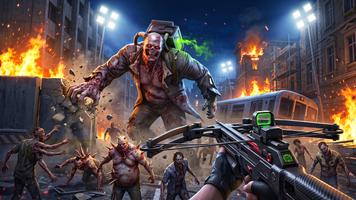
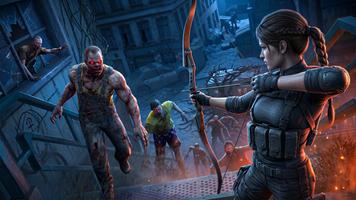
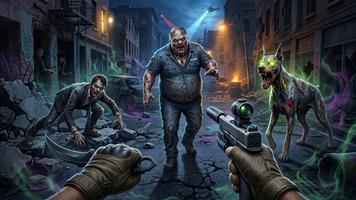
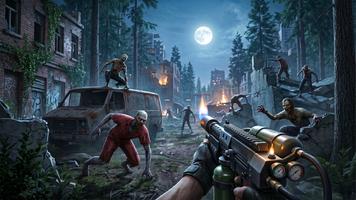
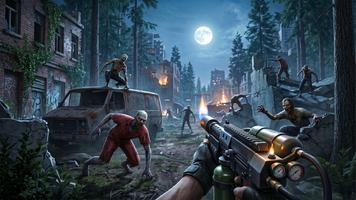
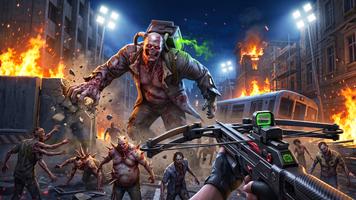
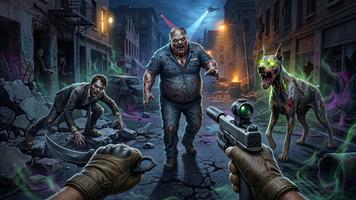
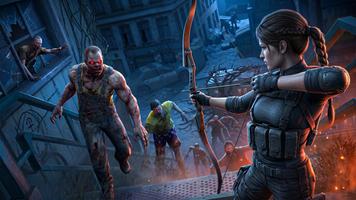
Doomsday Evil: Survival Game is a single-player survival action-adventure that drops you into a ruined world where scavenging, planning and careful decision-making determine how long you live. In this offline-focused title you will secure shelter, scavenge scarce supplies, craft tools and weapons, and face roaming threats including zombies, mutated monsters and episodic boss encounters. The description below explains the core systems, controls and what to expect from the game experience so you can decide whether Doomsday Evil: Survival Game fits your play style.
The core gameplay loop centers on exploration and return: scout damaged districts, search abandoned buildings for food, medicine and construction materials, then bring those resources back to your shelter to build upgrades and fortifications. Encounters vary from tense stealthy avoidance to short, reactive skirmishes and larger, scripted boss fights that encourage observation and pattern recognition. Resource scarcity is intentional and forces players to prioritize tasks, ration items and weigh the risks of a risky raid for rare components versus reinforcing defenses at home.
Controls are tuned for touchscreens with an emphasis on responsiveness and accessibility. Movement, aiming and interactions use a combination of on-screen sticks and contextual gestures, while sensitivity and layout can be adjusted to match different device sizes and player preferences. The interface keeps frequently used actions within reach and provides quick access to map, inventory and crafting menus between sorties. Menus and prompts are written plainly to reduce friction, and the game includes a concise in-game tutorial and contextual tooltips so new players can learn systems without slogging through long manuals.
Progression in Doomsday Evil: Survival Game is equipment- and shelter-centric rather than level-based. Gathering wood, metal, wiring and medicinal supplies fuels a crafting system where recipes unlock new tools, armor pieces and weapons that change how you approach threats. Upgrading your shelter unlocks crafting stations, additional storage and new defensive options that extend the range and duration of your expeditions. Choices matter: you can invest in heavier armor and defensive structures to support careful, longer runs, or focus on weapon crafting to favor more aggressive playstyles.
The game's visual approach is deliberately restrained to amplify immersion. Muted color palettes, fog, weather effects and deliberate lighting create a sense that the world is both vast and decayed. Environments range from crumbling urban blocks to rusted industrial areas and hidden underground caverns, each using distinct assets and hazards to shape player behavior. Visual cues are used consistently so players can learn to read danger quickly and make informed decisions when looting or planning an escape route.
Levels are organized into distinct zones with mission-specific objectives and optional side challenges. Short, consumable runs let you clear nearby points of interest, while longer expeditions require planning and support from shelter upgrades. Boss arenas are designed to test skills you have developed within a zone—understanding attack patterns, managing stamina and choosing the right equipment. Environmental hazards such as toxic zones, collapsible structures and limited visibility add tactical variety and force players to adapt on the fly.
Customization focuses on practical choices that affect survival rather than purely cosmetic items. You can redesign your shelter layout to prioritize storage, crafting or defenses, choose which weapons and armor to upgrade, and tailor loadouts to specific missions. Defensive structures and traps let cautious players create buffer zones that change how encounters play out, while different weapon progression paths reward players who prefer close-quarters or ranged combat. These options allow distinct strategies to emerge without relying on microtransactions or cosmetic gating.
Replayability comes from the interplay of resource scarcity, varied mission objectives and emergent encounters. Each playthrough can reward different approaches: conservative base-building and long, methodical expeditions, or high-risk runs that target rare materials for faster equipment progression. Randomized loot placement, optional challenges and multiple boss behaviors mean repeated runs remain engaging, and the game supports both short sessions and longer campaigns depending on how much time you want to invest.
Doomsday Evil: Survival Game is designed to work without a persistent online connection, so your progress is saved locally and you can pick up where you left off whether you have a few minutes or a few hours. Accessibility options include adjustable difficulty settings, text scaling and color adjustments to improve readability and visibility for a wider range of players. Control presets and sensitivity sliders make it easier to find a comfortable setup, and the game provides clear, readable prompts rather than dense jargon to help players focus on strategy rather than on UI management.
If you enjoy methodical survival titles that combine base building, resource management and tactical action combat, Doomsday Evil: Survival Game offers a focused, self-contained experience. Expect deliberate challenge and a learning curve as you master enemy behaviors and refine crafting priorities. The game keeps themes grounded in survival and conflict and is suitable for players seeking a solitary, atmospheric post-apocalyptic experience without online dependence.