Crab Life
Version: 8.3.0
242.00MB
4.5
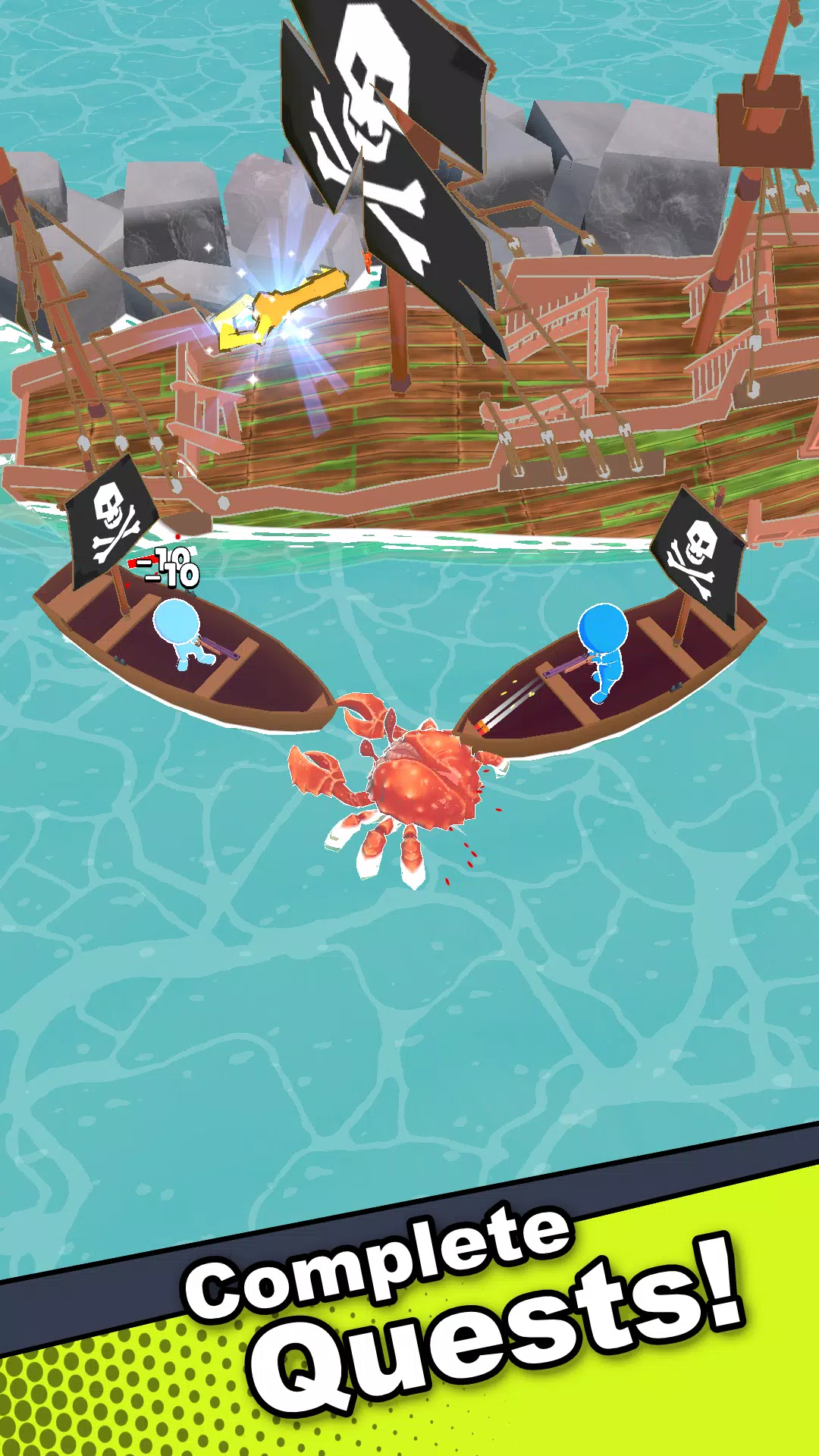
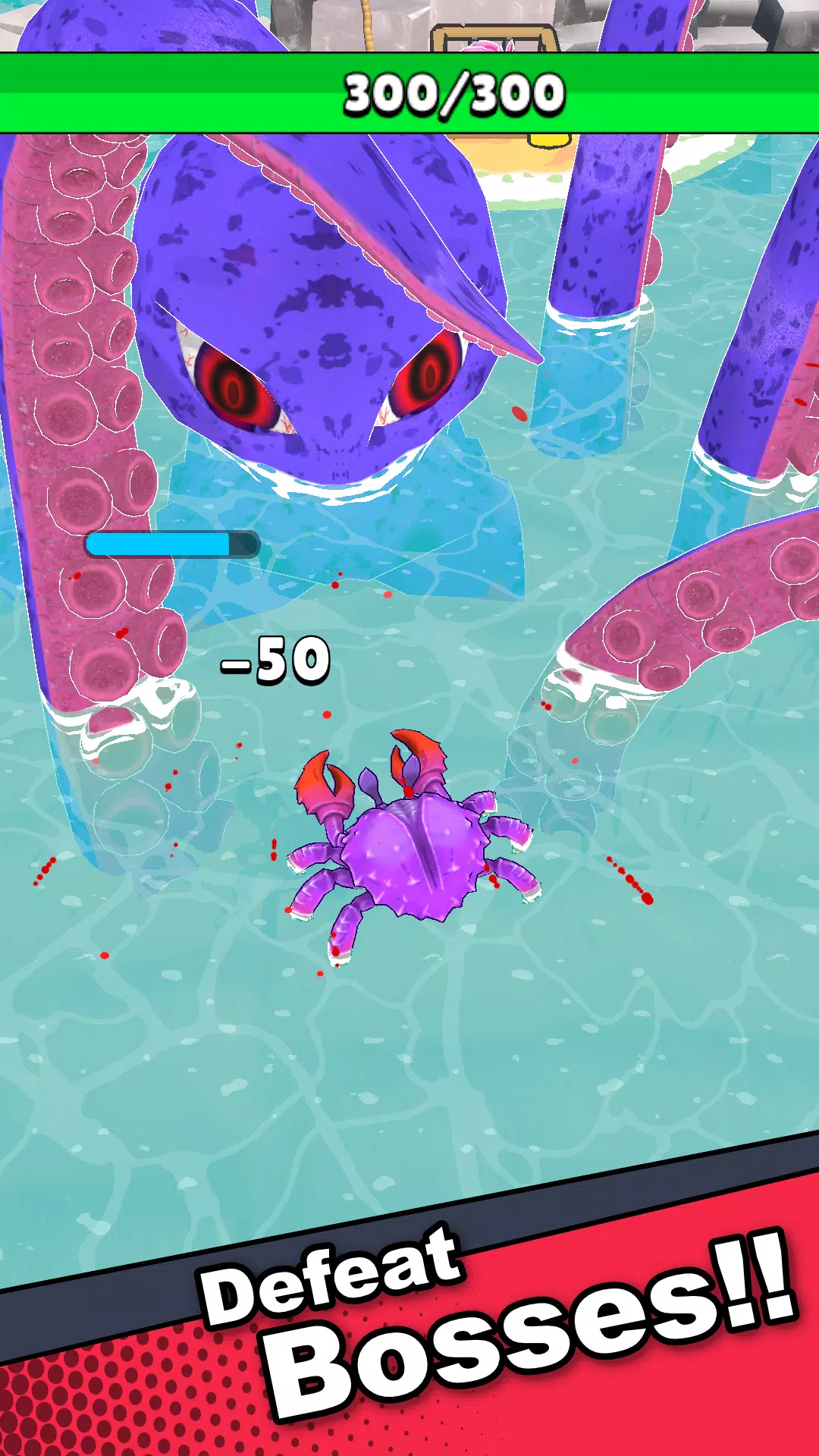
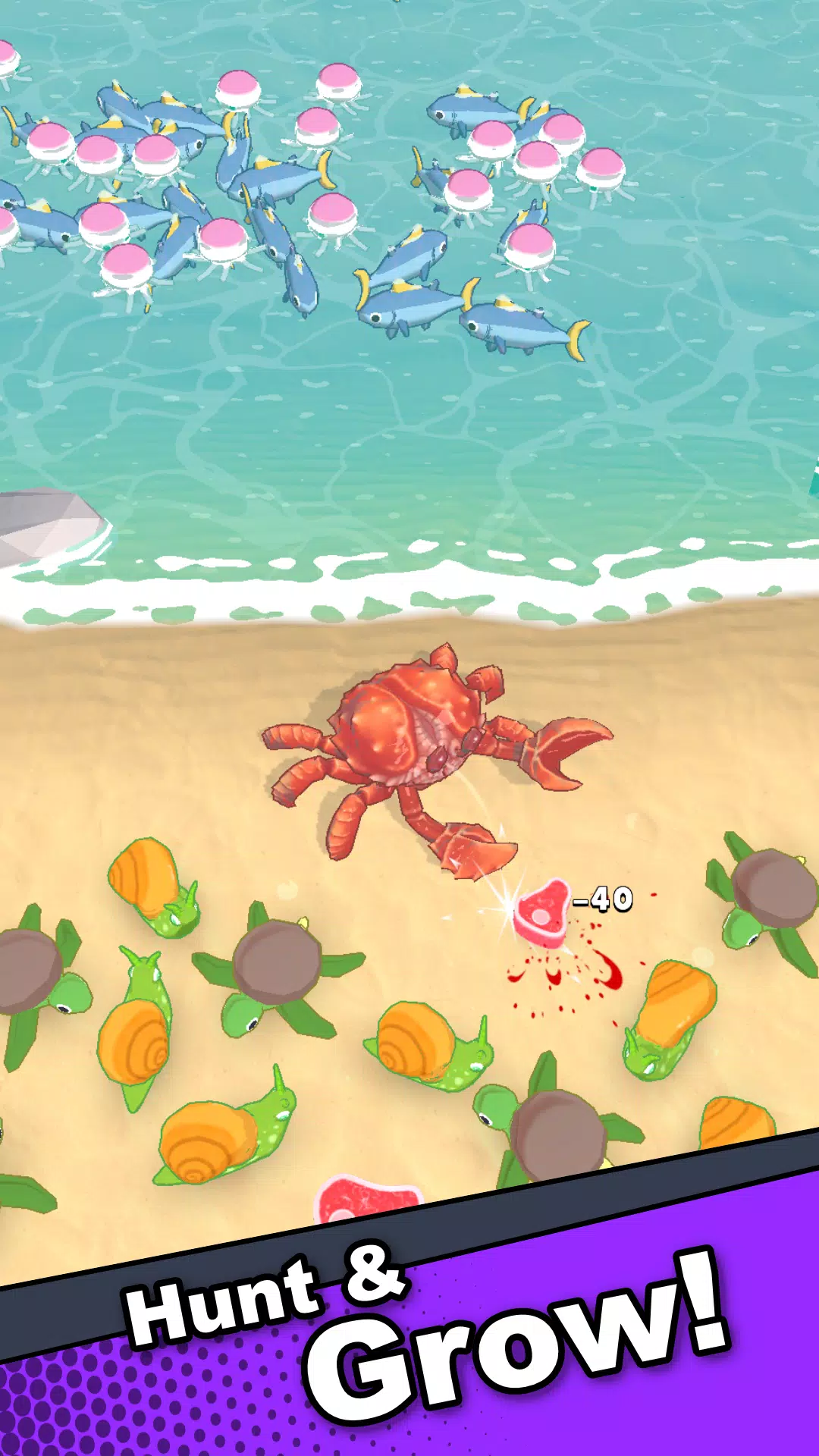
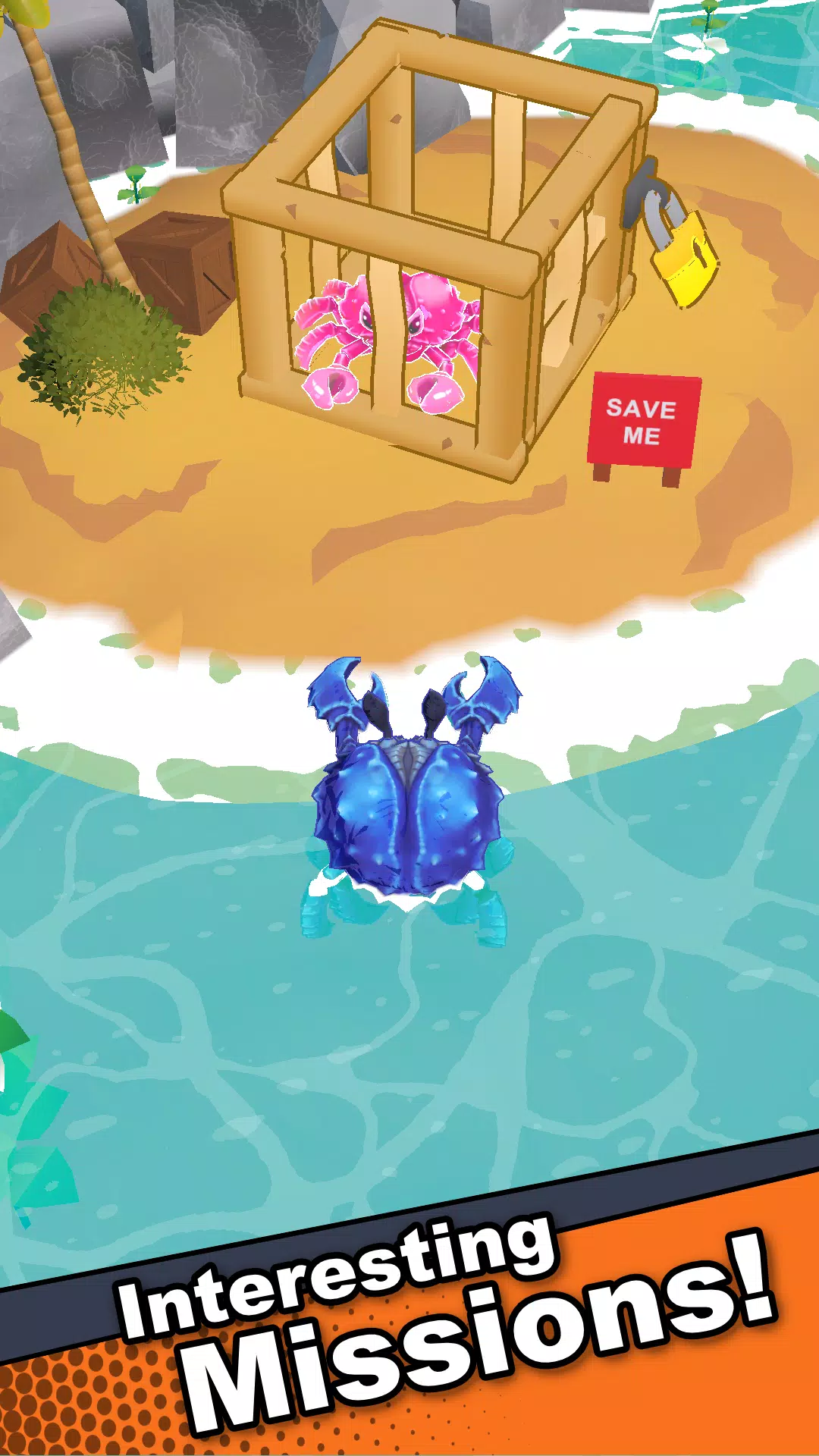
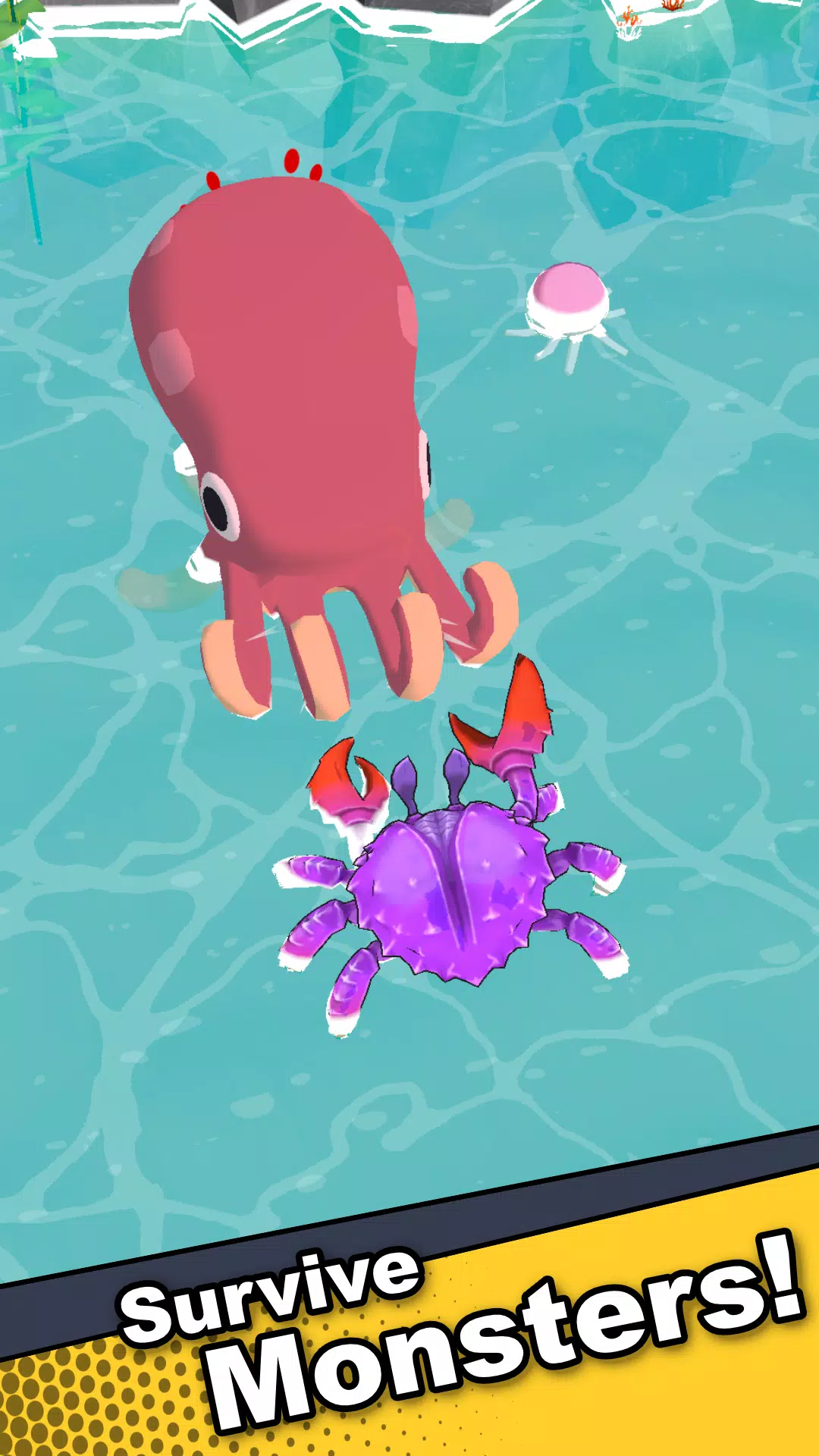
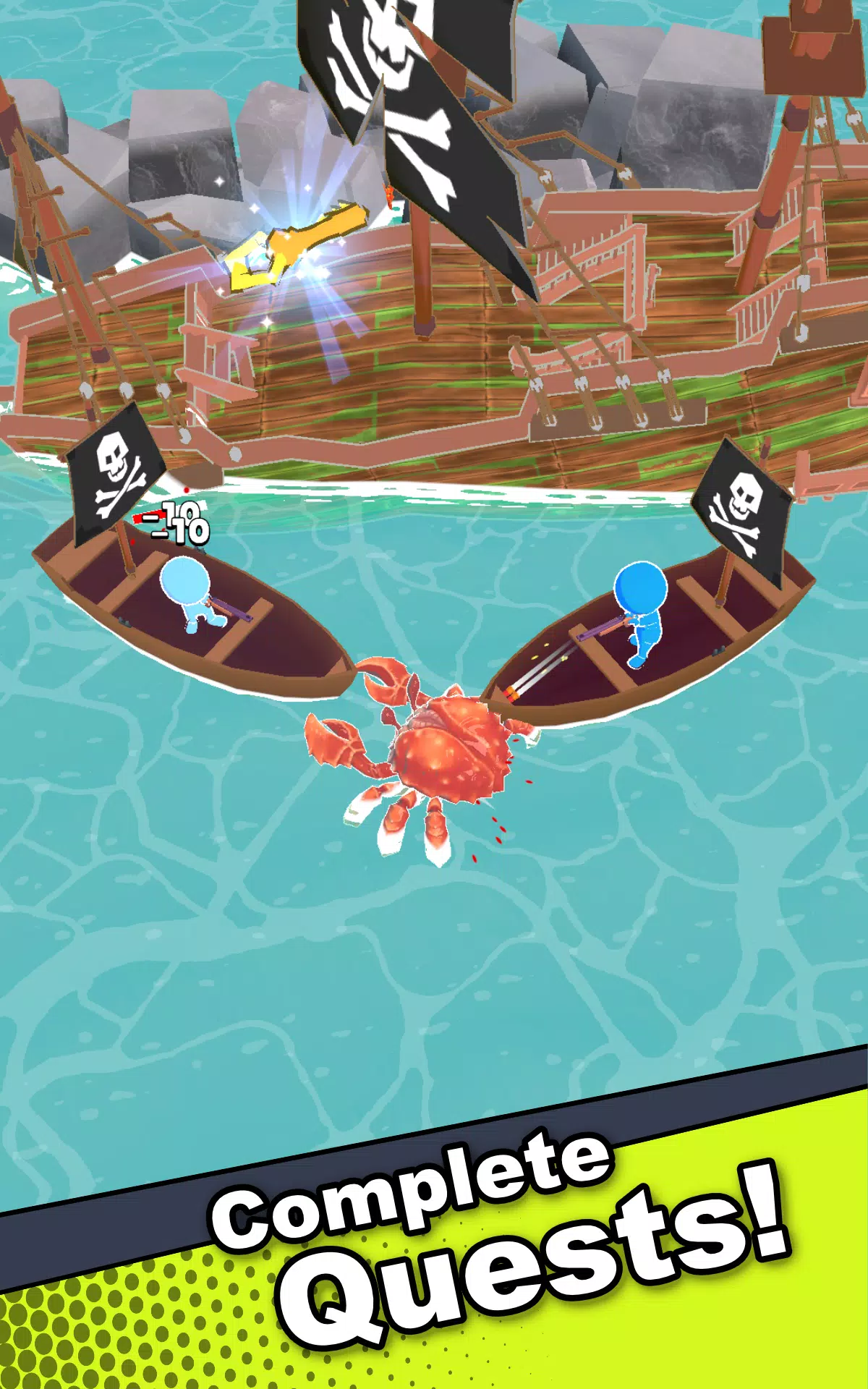
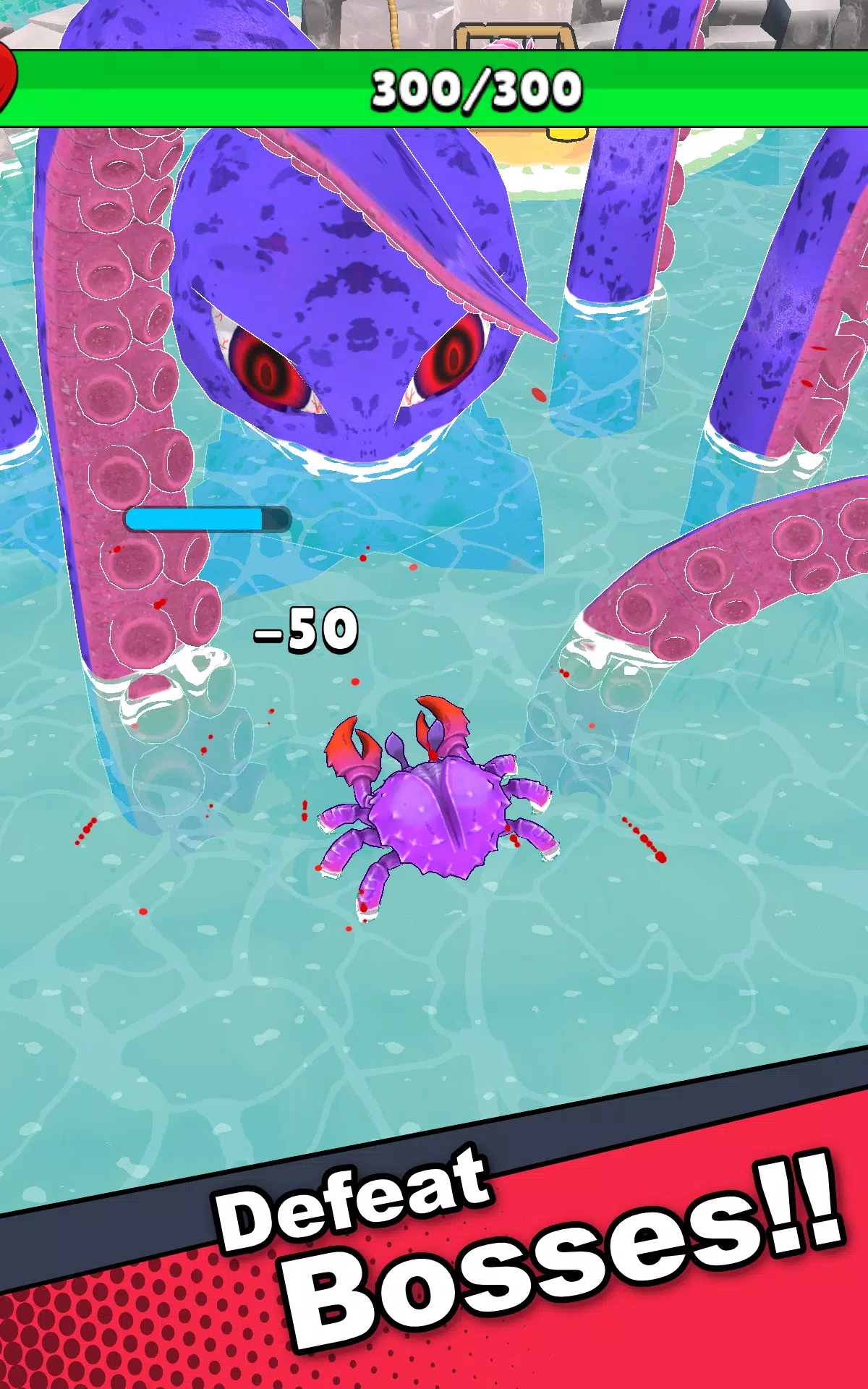
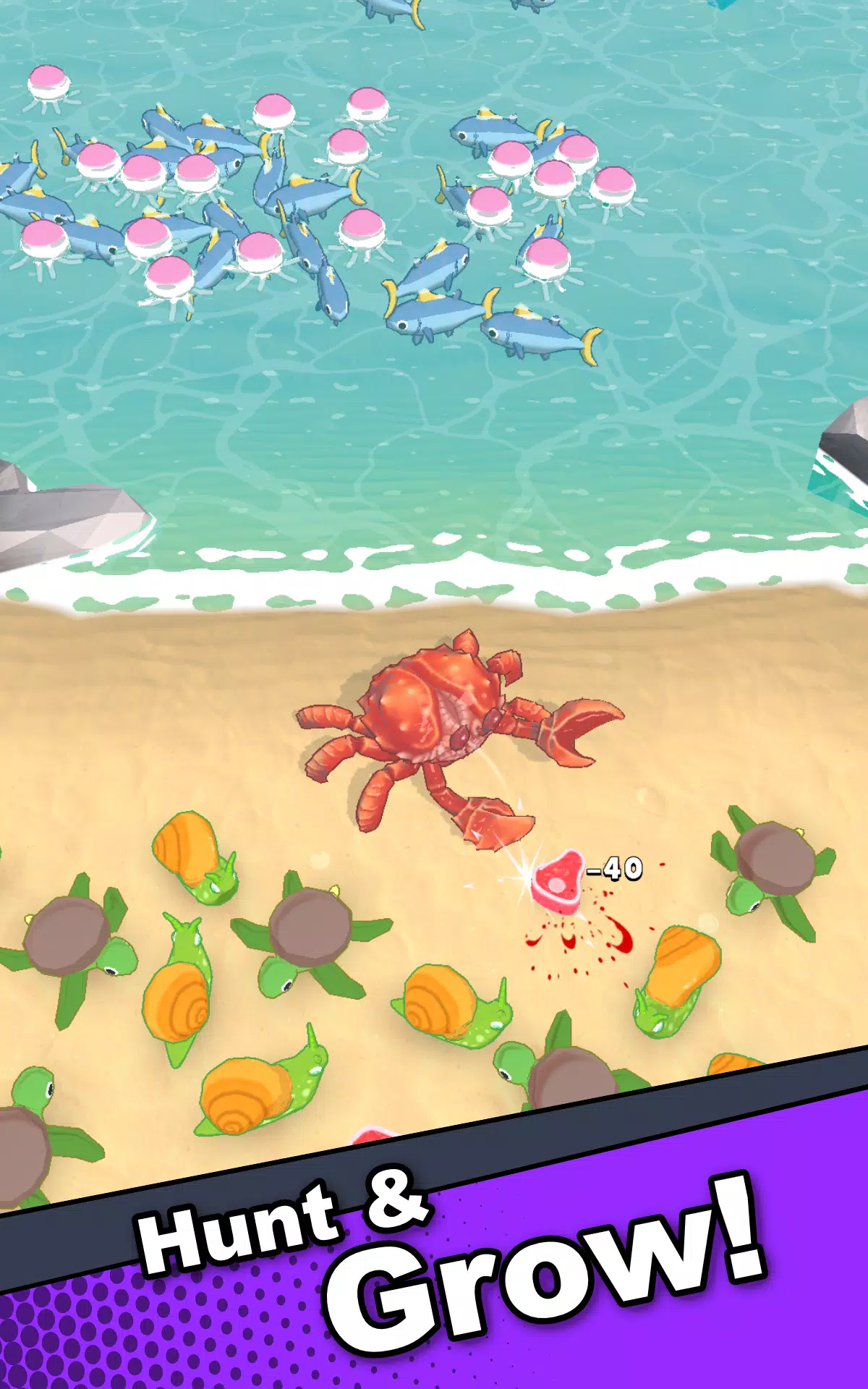
Crab Life drops players into a survival-focused RPG set along a dangerous shoreline where you control a solitary crab that must fight, scavenge and evolve to dominate its territory. The premise puts you in direct, tactile combat with human invaders and sea predators while also asking you to think long term: recruit and manage a growing crab colony that gathers resources and defends territory so your influence expands even when you are away. Crab Life mixes real-time action, resource management and incremental progression to create a gameplay loop that rewards both skillful play and careful planning.
The game pairs close-quarters pincer combat with broader colony mechanics. Encounters range from quick skirmishes against scavengers to multi-stage boss fights that force you to adapt tactics and leverage newly unlocked abilities. You harvest meat and materials from defeated foes to upgrade attributes like strength, speed and shell toughness, and to unlock special moves that shift how each fight plays out. Outside of battle, your colony assigns workers to forage, defend the nest and expand holding areas across the map, creating a sense of continuous progression between play sessions.
Combat in Crab Life is real-time and intentionally tactile: movement and attack inputs are designed to feel responsive, with timing and positioning determining the effectiveness of your pincers. Controls are simple to learn but allow depth through combos, charged grabs and defensive maneuvers; they work well with touch screens and are straightforward to map to physical controllers where supported by the platform. Camera behavior and lock-on options help keep fights readable when larger enemies or groups of human opponents arrive.
Progression blends immediate stat upgrades with longer-term evolutionary changes. Collecting meat and rare resources from encounters funds incremental increases in core attributes and opens evolutionary branches that alter appearance and capabilities. Skill unlocks and shell upgrades create meaningful choices: do you invest in mobility to outmaneuver predators, or build raw power and armor to stand your ground? The colony also levels up through population growth and infrastructure improvements that unlock passive bonuses and new production options.
The visual presentation emphasizes gritty coastal realism tempered by stylized creature design. Beaches, tidal pools and deeper ocean zones each have distinct palettes and environmental hazards that affect movement and combat. Lighting and particle effects help communicate danger and reward when you discover hidden caches or trigger tidal events, while enemy designs range from improvised human raiders to oversized sea life that test different facets of your build and tactics.
Levels are structured as interconnected zones with escalating threats and resource opportunities. Early areas function as tutorialized encounters to teach mechanics, while mid and late zones introduce environmental modifiers—strong currents, toxic algae patches or limited visibility—that change how you approach objectives. Boss encounters are multi-phase and designed to encourage adaptation rather than rote repetition, with clear telegraphs and patterns that skilled players can learn and exploit.
Customization in Crab Life focuses on evolutionary choices, cosmetic shell variations and colony layout decisions that influence playstyle without requiring microtransactions to be effective. Different evolutionary paths encourage multiple playthroughs, and the procedural placement of some resources and threats increases replay value by changing early-game pacing and strategic options. Experimental builds and challenge runs remain compelling once the core systems are mastered.
The interface emphasizes clarity: health, stamina and key resource counters are presented cleanly, and tooltips explain upgrades and colony tasks to reduce confusion for new players. Difficulty settings and optional assist features make the game approachable for players who prefer a more relaxed pace, while harder modes increase enemy aggression and tighten resource availability for those seeking a tougher survival experience. Controls can be adjusted for sensitivity to accommodate different play styles.
Crab Life supports passive colony progression so your resource network continues to operate when you are offline; workers gather materials and defend territory within limits that preserve balance. This offline element is intended to reward regular play without turning the game into a mandatory check-in cycle. Save states and clear progress indicators help players manage time investment while still enjoying meaningful advancement between sessions.
Challenge comes from balancing short-term survival in dynamic encounters with long-term planning for your colony’s growth and evolution. Risk-reward systems encourage scouting for high-value targets, and occasional timed events or environmental shifts create spikes of difficulty that test whether your build and colony defenses are ready. These layered systems keep gameplay engaging while providing measurable goals for progression-oriented players.
If you enjoy a blend of visceral combat, strategic progression and emergent colony management, Crab Life offers a focused single-player experience with deep customization, varied biomes and a steady stream of evolving challenges.




Free Use App ~Stories of Hinomori~
4.5330.70MB

Summertime Saga: Realistic Remake
4.4173.24MB
Another Teen Titans Porn Game!
4.2140.40MB

Free Use App Stories of Hinomori
4.1330.70MB
Survivor Romania
4.217.90MB

Car Coloring Game offline
4.138.90MB
Garten Of Banban Escape Game
4.528.00MB

حروفي المرحة
4.034.70MB