TimeTime
Version: 1.01
24.00MB
4.4
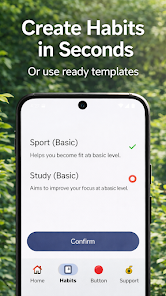
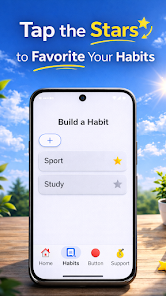
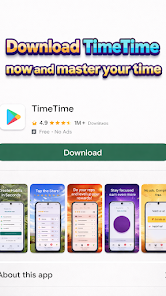

TimeTime is a modern, straightforward productivity app designed to help you build habits, focus for defined intervals, and manage daily time without complexity. TimeTime combines a Pomodoro-style focus timer with habit tracking and a light gamified progression so you can turn intentions into repeatable routines. This introduction explains how the app works, what controls and customization it offers, and how its progression and accessibility features support long-term habit formation.
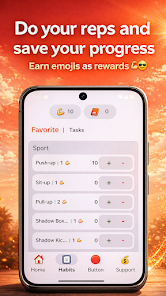
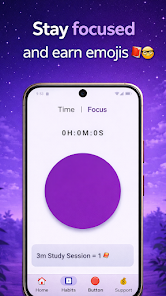
At its core, TimeTime offers timed focus sessions and short breaks that follow the familiar Pomodoro rhythm, paired with simple habit tracking so each session contributes to visible progress. You can define recurring routines, set session lengths and break durations, and attach a habit label or goal to any focus block. The app records each completed session, shows streaks and completion counts, and offers gentle rewards — such as level indicators and badges — to make steady improvement easier to notice without overwhelming the interface.
The basic “gameplay” of TimeTime is intentionally minimal: choose a task or habit, pick a session duration, and start a focus cycle. A session runs until you pause or finish it, after which you can log the session as linked to a habit or task. Multiple sessions stack toward daily and weekly goals, and streaks increase when you complete consecutive days of planned sessions. Challenges are customizable self-directed targets, for example completing a set number of focus sessions each week, and the app visually reinforces progress so motivation comes from consistent achievement rather than flashy animations.
Controls are simple and accessible: start, pause, resume, and reset timer buttons are front and center. You can customize durations for focus and break intervals, enable or disable long breaks after several cycles, and choose notification sounds or silent alerts. Theme choices let you pick a light or dark interface and adjust font size for readability. These options make it easy to tailor TimeTime to different work styles, whether you need short bursts for quick tasks or longer blocks for deep work.
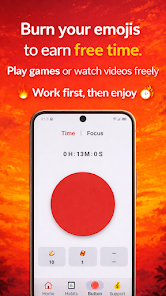
Progression in TimeTime relies on measurable, repeatable milestones: session counts, habit completion rates, streaks, and simple level progress that unlocks new badge icons or visual markers. This structure encourages replay by letting users set increasingly challenging personal goals and by making subtle, cumulative progress visible over weeks and months. There are no competitive online rankings; the reward loop is personal and focused on building reliable routines rather than external validation.
The design favors clarity and low distraction. Clean typography, restrained color accents, and compact icons provide a calm visual environment where the timer and habit list remain the focal points. Level structure is abstract and user-oriented: as you accumulate completed sessions or maintain streaks you advance through descriptive levels that signal consistency instead of numeric leaderboards. This makes the app suitable for study, exercise, household tasks, or creative work where a peaceful interface supports concentration.
TimeTime places emphasis on accessibility: adjustable font sizes, clear contrast between active elements and the background, and concise labels for screen reader compatibility help make the app easier to use for a wide range of users. Feedback is immediate and unobtrusive — vibration, visual confirmation, and optional sound cues — so interruptions are minimized. The app’s layout is straightforward, reducing the cognitive load required to get started and keeping common actions within easy reach.
TimeTime functions offline for core features: timers, local habit tracking, and progression are stored on the device so you can use the app without an internet connection. Local storage means your session history and habit data remain private by default; the app does not require online accounts to use the main features. Where optional backups or exports are offered, they are explicit and device-controlled to preserve user choice and privacy.
TimeTime focuses on short focus sessions and habit formation rather than full project management or collaborative workflows. If you need complex task dependencies or team coordination, a dedicated project management tool will be a better fit. Likewise, the gamified elements are intentionally light — they aim to support motivation but may not satisfy users who prefer strictly minimalist, non-reward systems. For individuals seeking an unobtrusive, reliable way to build daily habits and improve concentration, TimeTime provides a balanced, usable environment.