CrashScan | Accident Detector
Version: 1.26.0
27.10MB
4
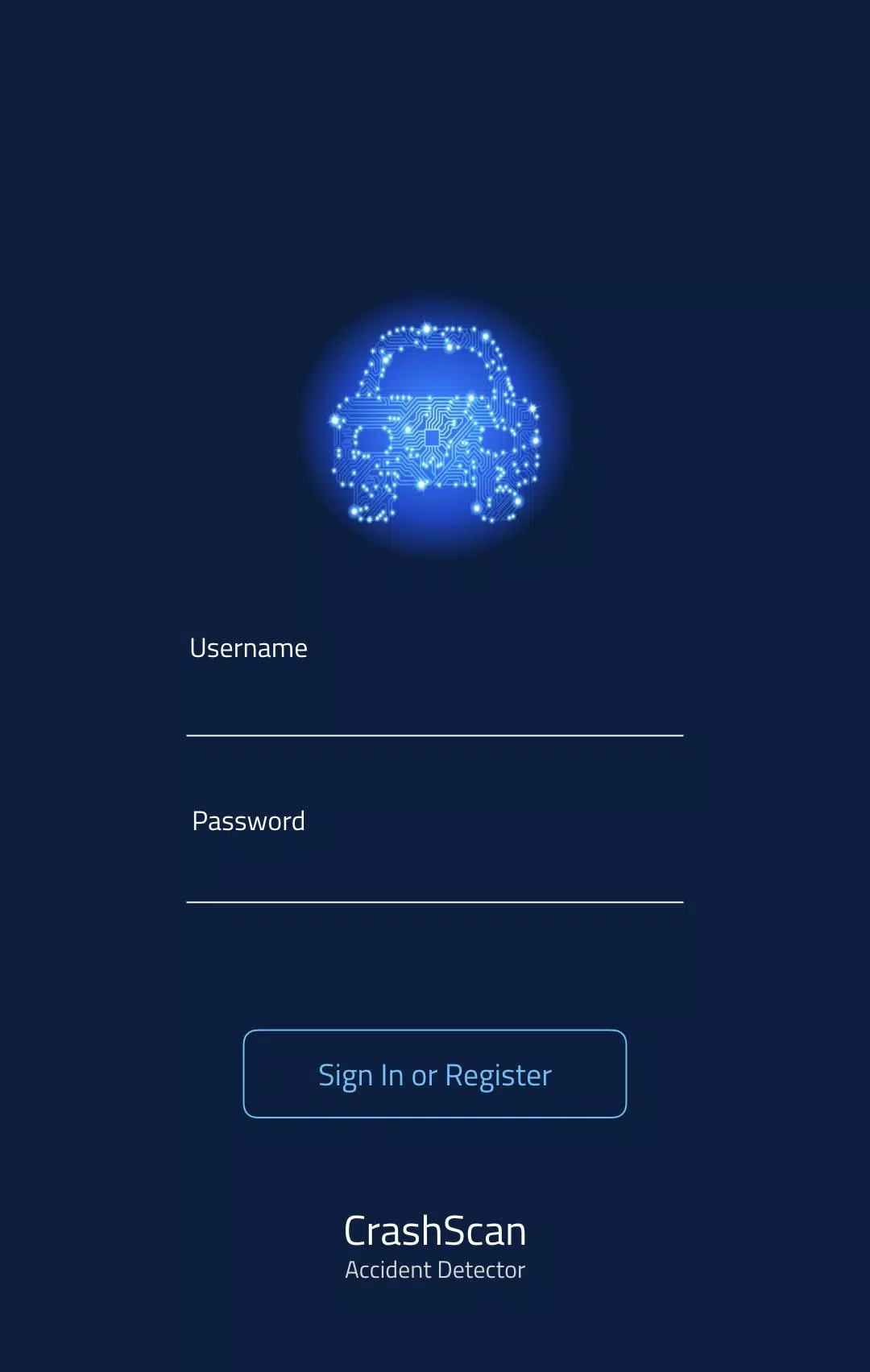
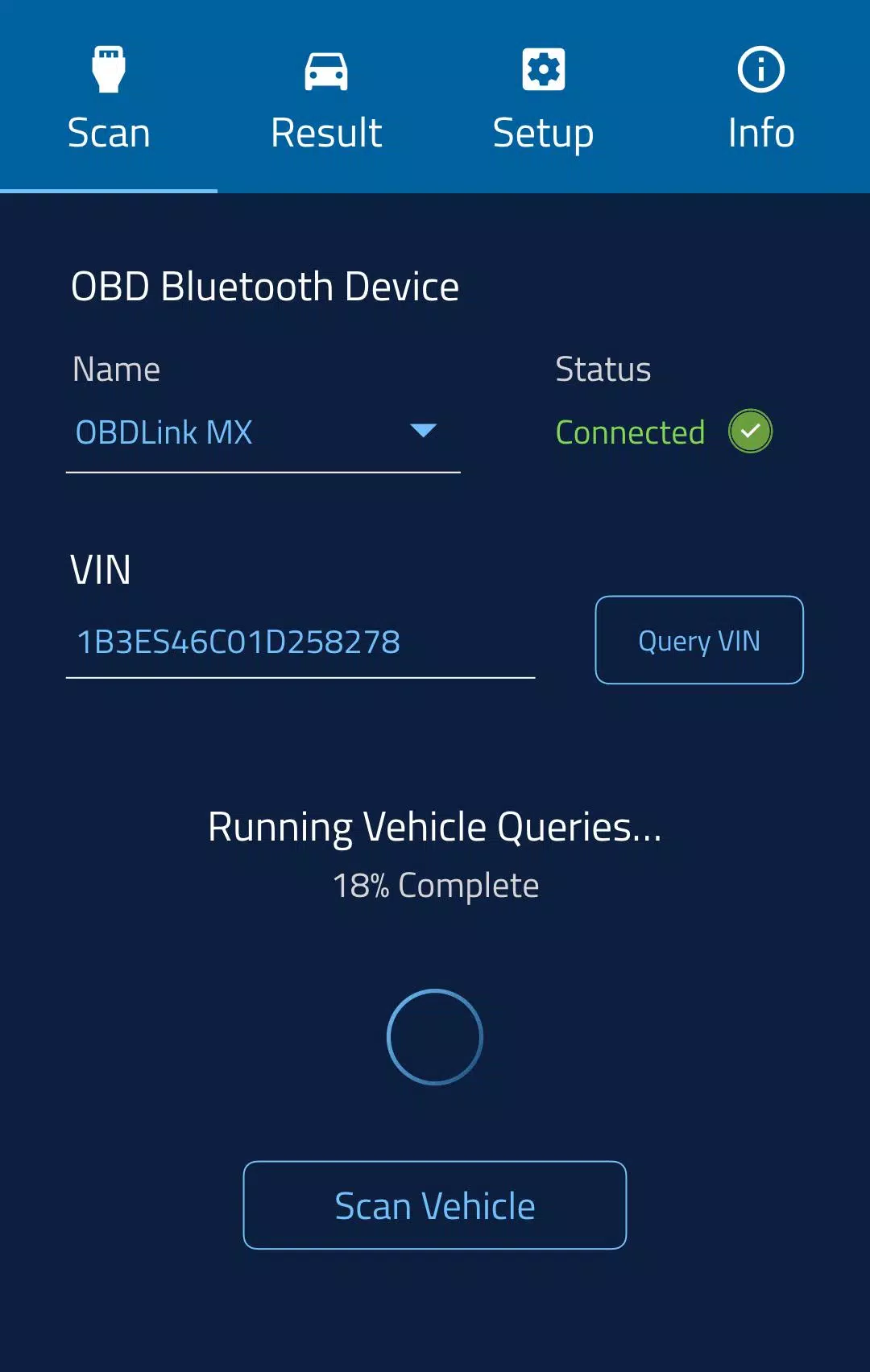
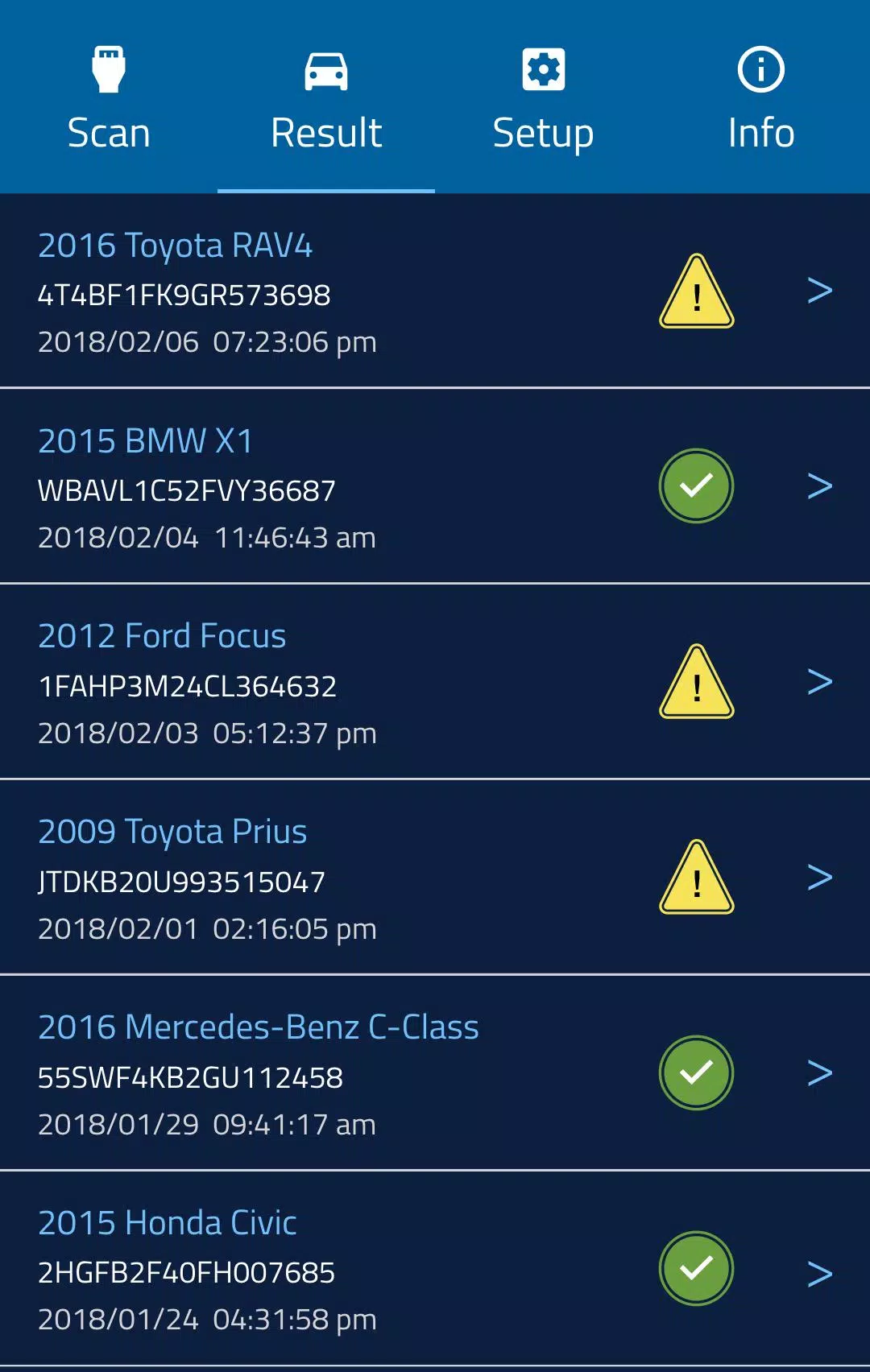
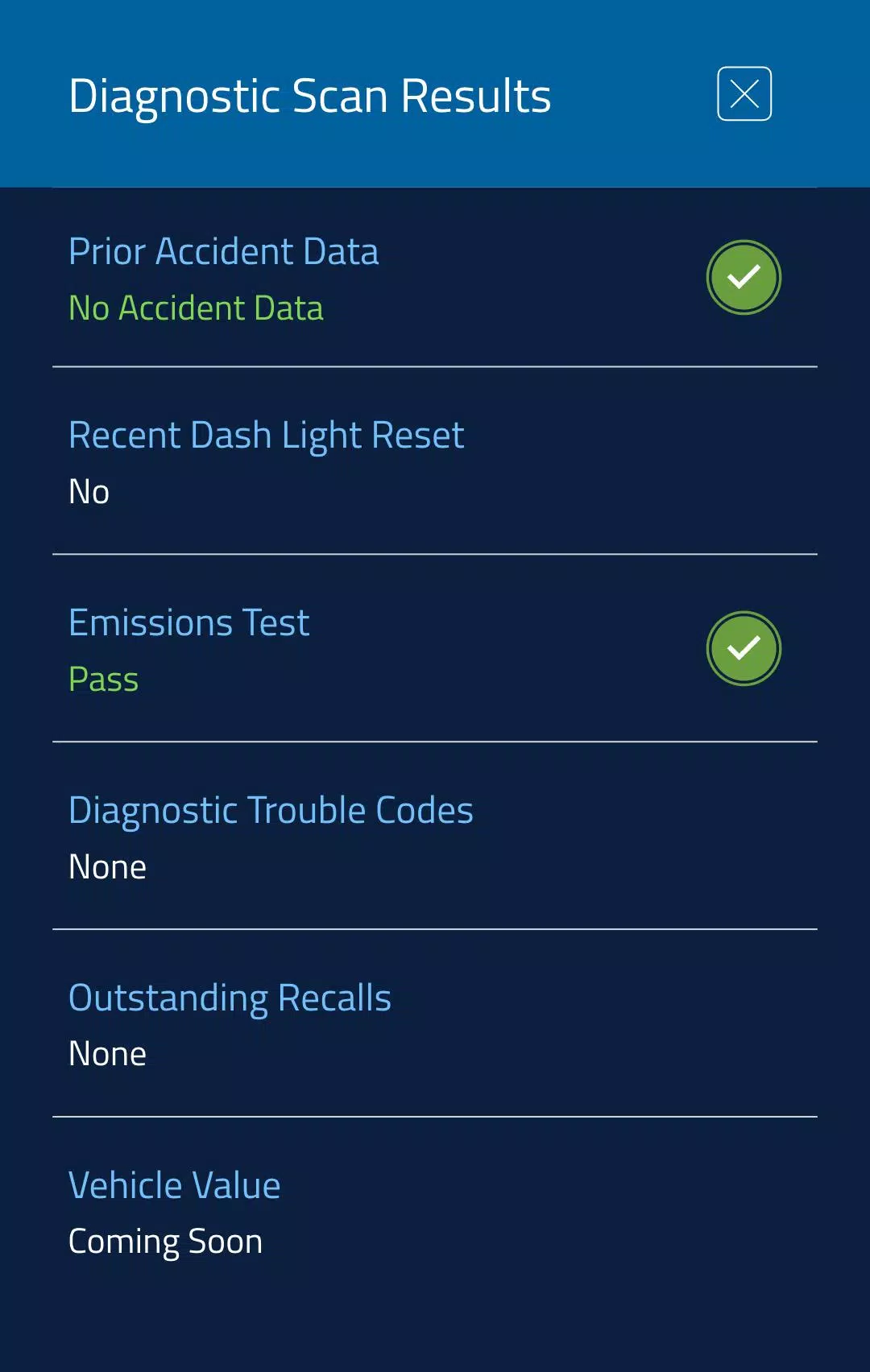
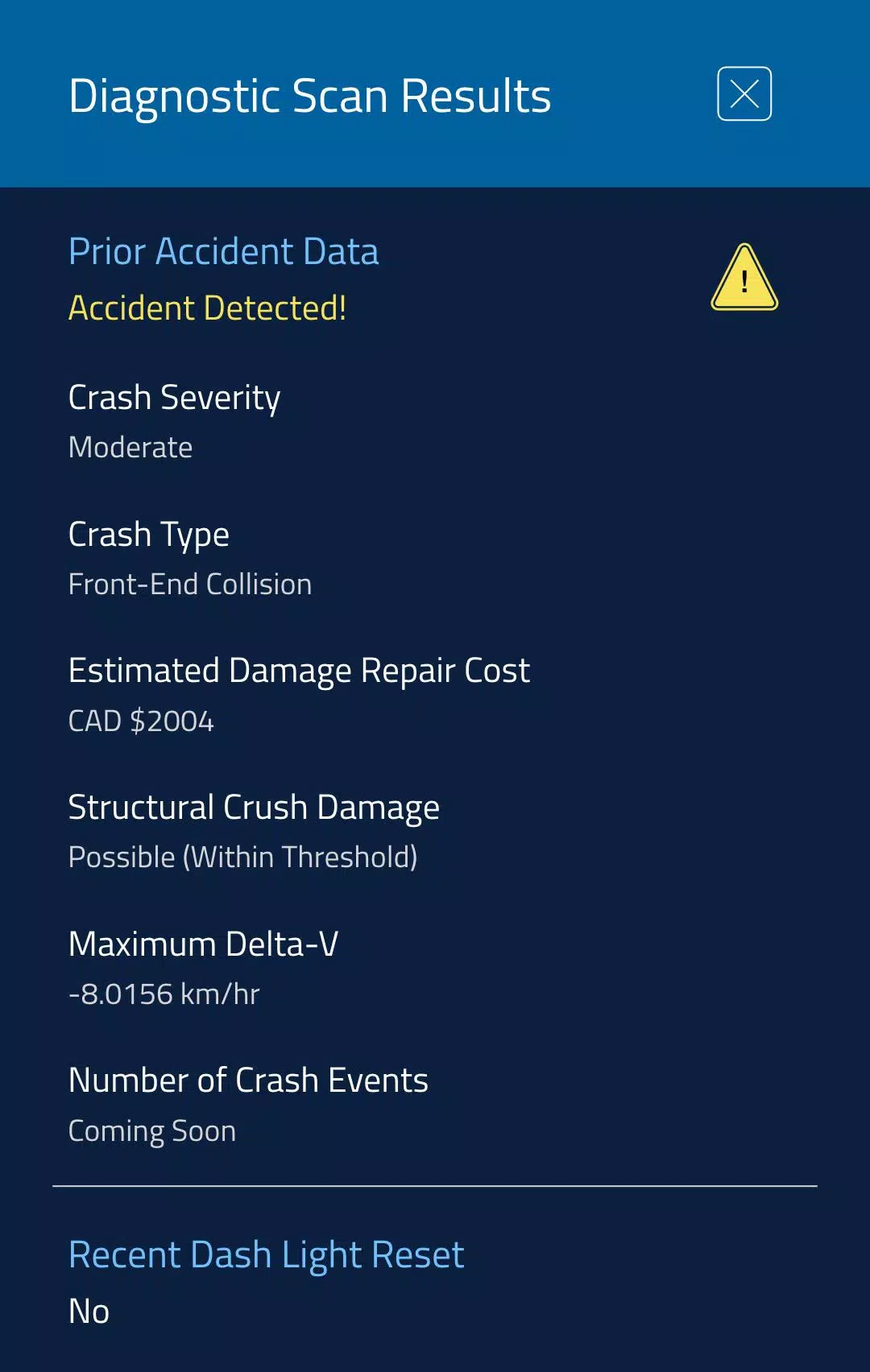
CrashScan | Accident Detector is a vehicle diagnostic application designed for collision investigators, repair professionals and insurance examiners who need reliable access to stored crash data. CrashScan | Accident Detector pairs with an OBDLink MX+ Bluetooth adapter to read vehicle modules and, when available, Event Data Recorders (EDRs), giving users an evidence-focused workflow to capture pre-crash speed, braking and accelerator inputs, steering behavior, impact orientation and other event metrics useful for claims validation and liability assessment.
The app scans compatible vehicle computers and extracts time-stamped telemetry and event records so that investigators can assemble a clear sequence of what happened before, during and after a collision. It supports over 3000 year/make/model combinations and surfaces injury-risk indicators and acceleration-based analysis that reference established sampling datasets. The reporting engine produces contextual, evidence-ready summaries that describe impact severity, estimated damage orientation and key contributing inputs, while preserving a raw-data view for technical review.
Operation is organized as a simple guided workflow: pair the OBDLink MX+ adapter via Bluetooth, select the vehicle profile, run a module scan and review findings. The interface uses step-by-step prompts and clear status messages so even new users can progress through vehicle detection, EDR retrieval (if present) and report generation without guesswork. In-app tutorials and demo scans explain each step, and the app asks for consent before any data extraction to reflect legal and privacy considerations.
Reports created by the app are configurable to match different documentation needs; users can choose level-of-detail presets ranging from executive summaries to full technical appendices with raw sensor traces. Generated reports are formatted for use in claim files and collision reports and can be saved locally for printing or for attaching to insurer submissions. A secure local archive lets investigators revisit past scans and re-run analyses without needing to re-connect to the vehicle.
CrashScan | Accident Detector provides algorithmic assessments that indicate estimated severity and orientation along with confidence indicators that help reviewers gauge how much weight to place on any single metric. The app annotates results with the data sources and sampling logic used in its calculations and does not substitute for expert interpretation; users should combine app outputs with physical inspection, witness statements and other evidence when forming conclusions.
CrashScan | Accident Detector requires a compatible OBDLink MX+ Bluetooth adapter to access vehicle modules and EDR content, and not every vehicle will expose full recorder data even when supported. Coverage spans thousands of vehicles but compatibility should be verified for each year/make/model prior to relying on a specific scan. The app also reminds users of jurisdictional privacy rules and the need for proper consent or authorization before accessing EDR data; these legal constraints can affect when and how data may be collected and shared.
The interface emphasizes readability and quick navigation, with scalable text sizes, clear contrast and labeled controls so investigators can work efficiently on both phones and tablets. Visual timelines and plotted sensor traces make it straightforward to compare speed, acceleration and input signals across the event window. Offline viewing of previously saved reports is supported so teams can review findings in the field without a live connection to the vehicle, although active scans require the adapter connection.
Developed by Collision Sciences, Inc., the application is accompanied by setup guides, demo workflows and support resources intended to help professional users adopt consistent scanning and reporting practices. CrashScan | Accident Detector is aimed at professionals who need objective, data-driven material to support investigations and claims; it is not a legal decision tool and should be used as part of a broader investigative process that respects privacy, regulatory and evidentiary rules.