AVAMENT-CAM
Version: 1.0.0
27.00MB
4
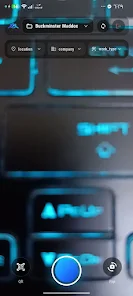
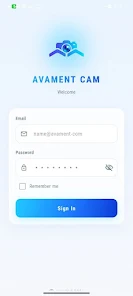
AVAMENT-CAM is a field documentation app built to help engineers, inspectors, project managers and contractors capture, organize and hand off visual records with clear site context. AVAMENT-CAM ties each photograph to a precise location using QR code tracking so images remain linked to the correct building, floor or room, and its offline-first design keeps teams productive when connectivity is limited. The interface emphasizes quick capture, reliable metadata and structured organization so field crews can focus on work rather than file management.
AVAMENT-CAM provides a focused capture workflow that balances speed and structure: take high-quality photos directly in the app, attach short notes or standardized classifications, and tag images with project-specific labels. The camera view supports familiar touch controls such as tap-to-focus, pinch-to-zoom and a one-touch shutter, while long-press selection enables quick batch actions for uploading or assigning multiple images. QR code scanning is integrated into the capture flow so a scan immediately anchors new photos to the selected hierarchical location. Filters, search and saved presets make it straightforward to retrieve contractor-, task- or area-specific records during audits or meetings.
The app uses a simple project and location model that mirrors real-world sites: create a company or project, define buildings and floors, and assign rooms or zones. Physical QR labels correspond to those location entries and are scanned during capture to ensure each photo has an unambiguous site reference. Time stamps, device context and user-added notes are recorded with each image, producing an audit-friendly trail for inspections and handoffs. Routine progress tracking is supported by status flags and classification fields, letting teams mark stages such as initial condition, in-progress work or completion without adding complexity to daily tasks.
Controls are intentionally simple so crews with varied mobile experience can work efficiently: on-screen buttons for capture and scan, quick toggles for offline mode and sync, and contextual menus for editing metadata. Administrators or project leads can customize classification lists, naming conventions and location hierarchies to reflect common workflows, which creates a consistent progression as sites evolve and new photos accumulate. Reusable templates and saved presets reduce repetitive setup, enabling field teams to maintain consistent documentation across multiple sites and repeat inspections with minimal additional configuration.
The visual design prioritizes clarity and legibility for field conditions, with support for dark mode and a multilingual interface to serve diverse crews. Accessibility considerations include large touch targets, readable fonts and straightforward navigation so users can operate the app while wearing gloves or under bright sunlight. AVAMENT-CAM stores data on the device while offline and performs automatic sync when a connection is available, preserving full functionality across intermittent networks and ensuring that work captured in remote locations is consolidated once connectivity returns.
Secure sharing is implemented through password-protected, expiring links that allow controlled access to selected images or image sets for stakeholders who need temporary viewing without full platform access. Metadata and organized folders assist office staff when receiving field submissions, streamlining quality checks and reporting. The combination of on-device storage, QR-backed location accuracy and structured metadata reduces ambiguity during handoffs and supports traceability throughout project timelines.
No field system is without setup requirements: AVAMENT-CAM relies on physical QR code placement and regular scanning to maintain precise location mapping, so initial labeling takes planning and installation time. Likewise, defining companies, work types and location hierarchies up front improves long-term value but requires effort during onboarding. Device storage limits, camera quality and the quality of QR placement can affect image capture and retrieval, so teams should plan label placement and device maintenance as part of their rollout. Overall, AVAMENT-CAM is designed to reduce ambiguity, speed reporting and keep site documentation reliable in both connected and offline conditions.