
Pharaoh’s Veil
Version: 0.1.1
130.29MB
4.4
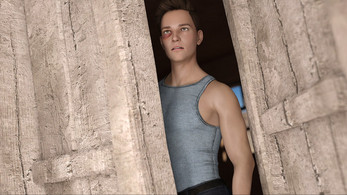


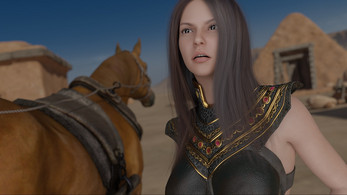
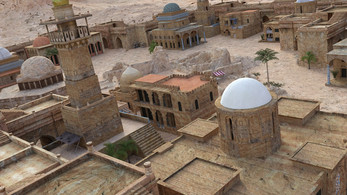
Pharaoh’s Veil is a compact puzzle-adventure game that blends methodical exploration, light tactical combat and Egyptian-inspired mystery into a mobile experience designed for thoughtful play. In Pharaoh’s Veil you explore interconnected burial complexes, work through layered mechanical puzzles, and manage a small team of explorers whose abilities change how you approach rooms and routes. This introduction describes core systems, controls and design choices so you know what to expect before downloading.
In Pharaoh’s Veil the primary focus is on deliberate problem solving rather than fast reflexes. Levels are arranged as linked chambers and biomes where environmental clues and mechanical devices are the main drivers of progression. The narrative unfolds through found artifacts, glyphs and the layout of rooms: reading the space correctly often advances both story and access to new areas. Optional side chambers and secret relics reward curiosity and careful observation.
Puzzles range from spatial block-shifting and beam alignment to timing-based contraptions and symbol decoding. Many puzzles require combining inventory items, using character-specific tools or manipulating the environment to create new paths. Designers favor multi-step solutions that use consistent in-world logic: once you understand a mechanic, it can be applied across multiple puzzles. Resource management plays a role in longer runs, with limited-use tools and consumables prompting choices about when to clear a room or preserve items for later challenges.
Touch controls are built around a simple tap-and-drag interaction for inventory management and object manipulation, plus a dedicated gesture for switching between party members and activating context-sensitive abilities. Control sensitivity and gesture size can be adjusted in settings, and visual accessibility options include high-contrast indicators for interactive objects and an alternative glyph display for colorblind players. Button prompts and tutorial chambers introduce each control gradually to reduce friction for new players.
Progression in Pharaoh’s Veil combines character upgrades, equipment refinement and tool crafting to open previously unreachable areas. Completing rooms yields resources that can be spent on stat improvements, passive perks and specialized gear that alter how characters interact with puzzles or hazards. Skill trees allow you to emphasize exploration, puzzle utility or combat survivability, and equipment synergies encourage different play styles without forcing a single optimal path.
Level design moves beyond repetitive corridors into distinct biomes: sunlit courtyards, flooded galleries, sand-choked halls and subterranean forges. Each biome introduces its own environmental puzzle element—sandstorms that obscure markings, water flow mechanics that change platform positions or heat sequences that demand timing and planning. Maps are designed to reward backtracking when you gain new tools, so earlier dead-ends can become valuable once new abilities are unlocked.
Combat is intentionally light and tactical: enemy behavior follows predictable patterns that can be exploited using traps, positioning or environmental hazards. Encounters are often paired with puzzles to create hybrid challenges where quick thinking matters as much as gear. A modest roguelike tension emerges from resource choices during skirmishes, while optional challenge rooms provide heightened difficulty for players seeking focused tests of skill and strategy.
Art direction in Pharaoh’s Veil balances textured environments with stylized lighting to convey antiquity without attempting photo-realism. Puzzles rely on clear visual cues—readable glyphs, contrasted interactive elements and camera framing that highlights points of interest—so players can trust what they see. Subtle ambient audio, environmental creaks and a restrained score support atmosphere and help signal puzzle states or hidden mechanisms.
The game offers settings to scale visual fidelity so it runs smoothly across a range of devices; toggles for particle effects and shadow detail help maintain stable frame rates on older phones. Load times between chambers are kept short to preserve exploration momentum. Pharaoh’s Veil is playable offline once installed, with no required persistent connection for the single-player experience.
Replay value comes from optional challenge rooms, hidden relics, and alternate puzzle solutions that encourage experimentation. A late-game sandbox option unlocks additional tools for testing physics puzzles and creative problem solving. The structure supports both focused runs through the main route and a completionist approach that revisits earlier biomes with new abilities. New players will find a gentle learning curve, while completionists can pursue mastery through score-like challenge metrics and hidden objectives.
To begin, follow the initial tutorial chambers to learn movement, item interaction and basic puzzle logic; these early segments introduce core mechanics gradually so later combinations feel intuitive. Save frequently, pay attention to recurring glyph patterns and experiment with equipment synergies to discover multiple ways of tackling the same room. Pharaoh’s Veil rewards careful observation and thoughtful planning, making it well suited for players who prefer puzzle-driven exploration at a relaxed pace.