A Court of Chaos
Version: 1.1.0
179.45MB
4.5
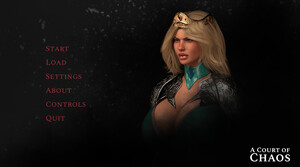
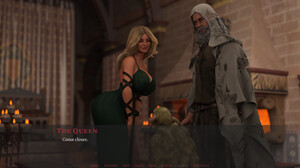
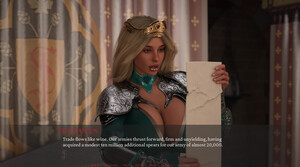
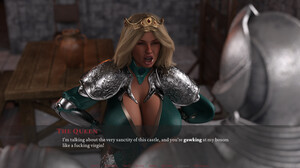
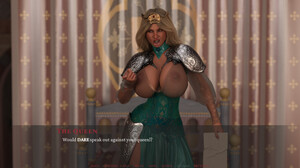
A Court of Chaos places you in the boots of Briggs the goblin and delivers a compact, mischievous strategy experience built around social sabotage and courtly pranks. A Court of Chaos emphasizes short, focused sessions where players deploy reputation plays, set up public embarrassments, and manipulate the ambitions of nobles to unseat a spoiled, tyrannical queen. Designed for players who prefer tactical improvisation and dark humor over sprawling narratives, the game offers a tight loop of setup, execution, and consequence that creates memorable, often ridiculous outcomes.
The core design of A Court of Chaos is grounded in social mechanics rather than combat. You act through schemes that corrode trust, smear reputations, and trigger scandals in a populated court. Each scenario presents specific victory conditions so you can aim for subtle influence or outright public disgrace. Short scenario length and clear objectives make it easy to pick up and play, while emergent interactions between characters and events generate unexpected results. The title also highlights a comedic tone and a focus on player creativity, letting you test different prank combinations and see how the court reacts.
Gameplay centers on reading relationships and exploiting timing. Nobles have reputations, loyalties, and private vulnerabilities that you can expose through targeted actions. Mechanics include reputation meters that shift as you spread gossip or plant incriminating items, influence checks when you attempt to bribe or manipulate guards and attendants, and staged spectacles that change crowd opinion. Each action has a risk reward profile so choices matter: a bold public prank can win quick influence but raise security, while quieter manipulation takes longer and invites different counters. The result is a compact strategy loop that rewards anticipation and improvisation.
Controls are designed for clarity and quick decision making with straightforward tap and drag interactions supported on touchscreen devices. Context menus present available options for interaction, and a concise tutorial guides your first few scenarios. Progression is tied to unlocking new tools and gambits rather than levels of player power. As you succeed you gain access to additional prank props, disguises for Briggs, and procedural scenario elements that expand the variety of available schemes. Progress feels meaningful without requiring long grind sessions, matching the short play session design.
The visual approach blends stylized, compact art with expressive character animations to emphasize comedic timing and reaction. Environments are designed as discrete court rooms and social spaces so each level reads quickly at a glance: seating arrangements, service routes, and private alcoves matter for planning. Sound cues and visual feedback highlight when a scheme is working or when a noble is discovering a clue. Levels are structured as individual scenes or scenarios rather than long open environments, allowing focused play sessions with clear restart points and rapid experimentation.
Customization in A Court of Chaos focuses on loadouts and cosmetic choices for Briggs and a selection of prank items. You can tailor an approach to suit a stealthy manipulator or an in-your-face agent of chaos. Replay value comes from variable noble dispositions, randomized event triggers, and the multiple paths to achieving objectives. Because court members react differently from run to run, the same initial setup can produce very different chains of events, encouraging experimentation and strategy refinement.
Accessibility features are considered in the design with adjustable difficulty tiers, an option for colorblind friendly palettes, readable subtitles for all dialogue and event text, and adjustable control sensitivity to accommodate different hands. The UI uses clear iconography and high contrast text to support visibility. A Court of Chaos is fully playable offline once installed, letting you scheme without a constant connection and saving progress locally between sessions.
Challenge is balanced through escalating security measures and adaptive counters as you become more notorious. Timed events and rival nobles create pressure moments where quick thinking matters, while sandbox scenarios allow a slower, methodical approach. The user experience prioritizes short onboarding, clear feedback, and rapid retries so you can learn from failed schemes and try a new tactic immediately. Version 1.1.0 (EA) introduces Briggs as the central character and refines the game systems around corruption, pranks, and public disgrace while the title remains in Early Access to gather feedback and iterate on balance and content.