The Boy Who Had No Choice
Version: 1.01
982.62MB
4.1
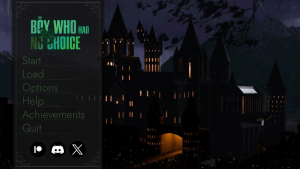




The Boy Who Had No Choice is a compact narrative-driven puzzle-platformer that balances careful stealth, environmental puzzles, and meaningful moral choices. In The Boy Who Had No Choice you guide a reluctant protagonist through branching scenarios where small decisions alter level layouts, unlock secrets, and steer the campaign toward multiple endings. This editor introduction highlights the systems, controls, progression, and performance considerations you will encounter so you can decide whether the tone and challenge fit your mobile gaming library.
The Boy Who Had No Choice centers on movement, observation, and creative problem solving rather than combat. Players run, jump, climb, and manipulate simple physics objects to open routes and create distractions. Many puzzles require combining found items, timing actions precisely, or using the environment itself to bypass obstacles. Stealth segments rely on line-of-sight and sound, encouraging patient planning: use shadows, trigger noises to lure patrollers away, or improvise tools to bypass traps. Decision points appear regularly and can change how future levels behave, turning the campaign into a tightly woven series of cause-and-effect challenges.
Controls are optimized for touchscreens with optional controller support, offering intuitive gestures for pushing, pulling, and using context-sensitive objects. The game includes adjustable control sensitivity and simple remapping options so actions feel natural on different devices. Visual contrast toggles, subtitle options, and a clear iconography system improve accessibility for players with visual or auditory needs. Difficulty settings let newcomers enjoy the story while offering harder modes for players who want tighter timing windows and fewer checkpoints.
Progression in The Boy Who Had No Choice is motivated by unlocks and narrative consequences rather than grinding. New abilities and item interactions are introduced sparingly and are paired with puzzles that demonstrate their purpose. As you explore, optional rooms and hidden mechanics reward experimentation and thorough exploration. While the game does not include online features, it provides local save slots and a sensible checkpoint system to reduce frustration. Cosmetic customization is subtle and context-appropriate, focused on small visual variations rather than gameplay-changing upgrades.
Level design alternates between tight indoor puzzles that demand precision and broader outdoor areas that invite exploration and discovery. Each map contains optional paths and secret rooms that often hold tools or clues to alternate solutions. Environmental storytelling is strong: background details and ambient interactions build a portrait of the protagonist's world and the socio-political pressures that force his choices. Branching paths are woven into the linear progression, so replaying levels to test different decisions reveals consequences that reward careful players.
The art direction leans on moody palettes and silhouette-driven character work to create a subdued atmosphere that supports the narrative. Animations are economical but expressive, especially during key decision moments where subtle motion amplifies the emotional weight of a choice. Sound design uses ambient tracks and reactive effects to heighten tension in stealth segments while remaining unobtrusive during puzzle solving. The game is built to run smoothly on mid-range Android devices and includes graphical presets to help players prioritize performance or visual fidelity on older hardware.
Replay value comes from branching endings, unlockable secret levels, and the variety of ways puzzles can be approached. Moral decisions have persistent effects that change later encounters, so experimenting with different strategies leads to new narrative threads and gameplay challenges. Optional challenge modes tighten resources or reduce checkpoints for players who want a more demanding experience, while completionist elements encourage careful exploration to find every hidden mechanic and ending.
Installation is straightforward and the app includes a short tutorial that introduces movement, stealth, and interaction without spoiling story beats. The Boy Who Had No Choice supports offline play so you can progress without a persistent connection, and its save system makes it easy to test alternative choices by loading prior slots. The interface communicates interactable objects clearly and offers brief contextual hints for players new to the genre, making the early hours accessible while preserving the satisfaction of discovery later on.
If you favor thoughtful level design that ties player choices to concrete in-game outcomes, The Boy Who Had No Choice offers a compact, well-crafted experience that rewards observation and moral consideration. With accessible controls, considered difficulty options, and strong environmental storytelling, this title is a solid match for mobile players who prefer puzzles and stealth over fast-paced action.