
Roommates
Version: 1.4
1754.30MB
4.4
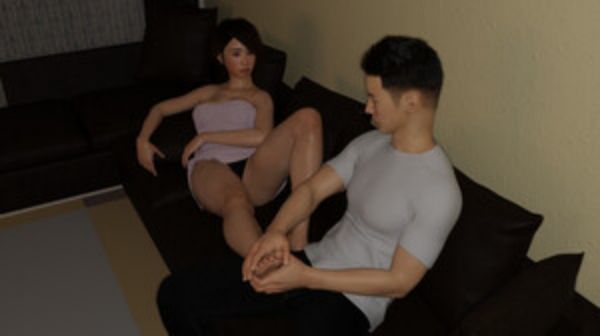
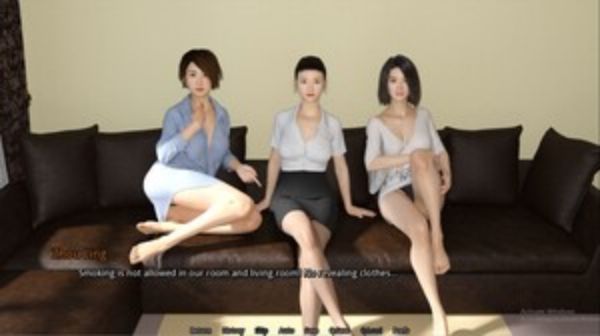

Roommates is a cozy, character-driven slice-of-life simulation that puts you in a shared apartment where small choices and daily routines shape the story. Roommates welcomes players who prefer gentle pacing, conversational gameplay, and short, replayable scenes rather than complex mechanics. The game centers on interactions with three other tenants, an apartment you can personalize, and a mix of narrative threads and optional mini-challenges that reward exploration and curiosity.
The experience is split into distinct play modes to suit different moods. Story Mode follows a sequence of scenes that focus on the relationships and rhythms of apartment life: dialogue choices and simple actions create branching moments that change how characters respond and which events become available. Free Play removes the plot pressure and lets you wander the space, examine objects, and trigger short vignettes that reveal backstory or unlock cosmetics. Event Mini-Games are small, self-contained tasks—like tidying an area, preparing a quick snack, or a conversational memory game—that provide variety and occasional item rewards without altering the main narrative if you prefer a relaxed session.
Roommates uses straightforward touch controls designed for mobile devices. Taps open dialogue, activate interactable objects, and select choices, while simple drag actions let you move a few decorative items when customizing rooms. Dialogue choices are presented in clear, contextual menus and each selection leads to immediate reactions or unlocks new short-term interactions. There are no complex skill trees or convoluted control schemes; the focus is on readable information, predictable input, and letting players concentrate on character moments rather than learning difficult mechanics.
Progression in Roommates is paced around discovery and relationship development. As you play, you unlock cosmetic items, small apartment upgrades, and additional short scenes tied to specific characters. These rewards are earned by completing mini-games, choosing certain dialogue paths, or simply revisiting areas at different times of day. Relationship cues and scene flags act as lightweight progression markers so you can see how interactions change over time, and replaying a scene with different choices can open new reactions or collectible items. The system is intentionally modest: it encourages replay for curiosity and completion rather than competitive advancement.
Apartment customization is a central, low-pressure feature. Found and earned items let you adjust the look and feel of shared rooms—furniture placement, wall decorations, and small accessories create visual variety and reflect your playstyle. Customization has no gameplay penalty; it primarily provides a sense of ownership and visual progression as you collect pieces and arrange the space. Small cosmetic unlocks are tied to exploration and optional events, so players who like to collect will find gentle long-term goals without mandatory grind.
The visual design favors warm, approachable 2D art with expressive character portraits and animated micro-expressions that convey mood shifts during conversations. Scenes are organized into short, digestible “days” or moments rather than long levels, so a single play session can be a few minutes or longer if you want to explore. Backgrounds and object art emphasize a lived-in apartment feel, with recurring visual motifs that help reinforce each character’s personality. Transitions between scenes are quick, keeping the pacing comfortable and avoiding heavy loading interruptions.
Replay value comes from branching dialogue, multiple small event outcomes, and collectible cosmetics that reward different approaches. The mini-games provide optional challenge spikes that are simple to understand but increase in variety as you progress, offering new patterns or objectives rather than steep difficulty. Because many scenes react to contextual choices, revisiting the same moment with a different approach will reveal new lines, alternative reactions, or small rewards, encouraging experimentation without pressuring the player to optimize.
The user experience is designed to be friendly and accessible: text size options, a clear dialogue history, and an autoplay mode for reading scenes at a relaxed pace make it easier for a wide range of players to enjoy the game. Controls remain simple and consistent throughout, and optional hints help guide new players through mechanics. Roommates supports offline play for the core single-player content, so you can enjoy scenes and customization without a persistent internet connection; occasional online features, such as optional cloud backup, are not required to experience the game.
Roommates offers a compact, character-first package that fits short sessions and longer explorations alike. Its approachable controls, modest progression, and emphasis on personality-driven scenes make it a good match for players looking for a relaxed, replayable social sim with meaningful small choices and a warm visual style.