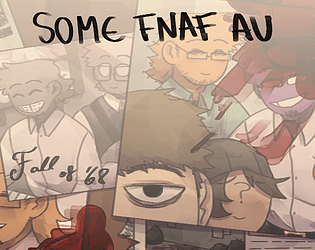
(DEMO) Some FNAF AU (FNAF Fan Game)
Version: 1.0
67.00MB
4.5
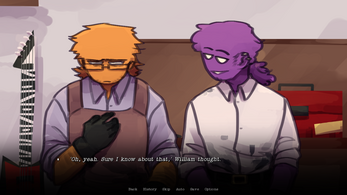
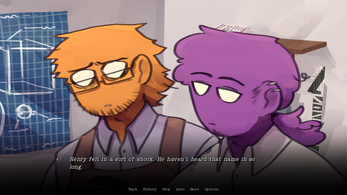
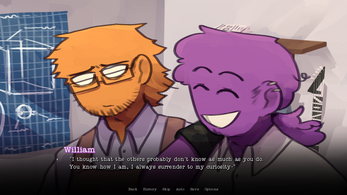
(DEMO) Some FNAF AU (FNAF Fan Game) is a fan-made survival horror experience that reimagines familiar animatronics in a new alternate universe. Players manage limited resources, survive tense nights, and uncover hidden lore while navigating atmospheric locations filled with jump scares and clever mechanics.
The core loop of (DEMO) Some FNAF AU (FNAF Fan Game) centers on observation, resource management, and split-second decision-making. Each night presents a series of timed events: monitor cameras, conserve power, and react to audio cues. The game rewards cautious play but also offers moments where quick, aggressive choices change outcomes. A simple set of systems—power meter, camera network, and interaction points—creates emergent tension without overwhelming new players.
Levels are designed as compact, interconnected areas that encourage learning through repetition. Early nights introduce core map layouts, while later nights shift corridors, lock doors, and change camera availability to force adaptation. Environmental variety includes dim back rooms, maintenance tunnels, and a main stage with hidden alcoves. Subtle differences between nights keep the experience fresh and encourage players to develop mental maps of animatronic movement patterns.
One standout of (DEMO) Some FNAF AU (FNAF Fan Game) is its alternate-universe cast. Each animatronic behaves differently: some stalk corridors slowly, others teleport between camera points, and a few rely on sound to locate the player. Character design blends eerie silhouettes and distinctive audio signatures so players learn to identify threats without always needing visual confirmation. As nights progress, hybrid behaviors and cooperative AI create unpredictable encounters that challenge established routines.
Successful runs emphasize anticipation and economy. Players should prioritize camera checks on high-traffic areas and learn patterns that indicate imminent danger. Managing the power budget is crucial; unnecessary camera use or door closures dramatically increases risk later in the night. Sound plays a tactical role—placing audio baits or listening for shuffling can reveal animatronic positions. Mixing passive surveillance with occasional active maneuvers yields the best results.
The interface is intentionally minimal: a central monitor window, quick-access buttons for doors and lights, and a compact status overlay. Controls are optimized for touch and mouse, with large hit targets and clear visual feedback for each action. Performance is tuned for a wide range of devices; frame rates remain stable during camera transitions and animatronic movement. Players on older hardware can reduce visual effects for smoother play without compromising core mechanics.
Atmosphere carries much of the game’s impact. Moody lighting, tasteful grain filters, and well-placed ambient sounds build tension between moments of outright panic. Jump scares are used sparingly but effectively, often preceded by subtle audio cues or camera glitches. The soundtrack supports creeping dread rather than constant noise, letting silence become an active gameplay element.
While the demo focuses on raw survival, it includes basic progression elements: night unlocks, small upgrades, and alternative camera configurations. These light RPG-like elements encourage experimentation—players can try different setups to see how animatronic behavior shifts. Future updates are hinted to expand customization, introducing new maps and deeper progression systems that extend replay value.
To begin, load the first night and spend the opening minutes learning camera names and sound cues. Conserve power early and avoid panicking when an animatronic triggers a false alarm. Use short camera glimpses rather than continuous streaming, and make note of any recurring patterns. Patience and observation pay dividends faster than reckless reactions.
(DEMO) Some FNAF AU (FNAF Fan Game) offers a fresh take on familiar mechanics with thoughtful level design and a tense audio-visual presentation. It’s accessible for newcomers yet layered enough to reward repeat play. Fans of the genre will appreciate the alternate-universe reinterpretation and the way small systems combine into tense, memorable nights.