doomsday dreamgirl
Version: 1.0
154.12MB
4.3
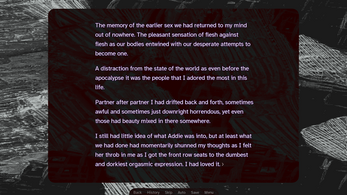
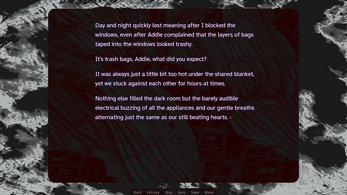

doomsday dreamgirl blends tactical base-building, character-driven storytelling, and turn-based combat in a post-apocalyptic setting. Players recruit unique companions, manage scarce resources, and navigate shifting alliances while exploring ruined cities. Its mix of strategy, RPG progression, and stylish visuals delivers challenging missions and narrative choices for dedicated gamers.
At its core, doomsday dreamgirl is a strategy-RPG that balances squad management with environmental survival. Each mission requires planning: who to bring, what gear to pack, and how to leverage terrain advantages. Encounters range from short skirmishes to multi-stage assaults that test long-term resource planning and player adaptability.
Combat operates on a turn-based grid where positioning and sequence matter. Movement, cover, and ability cooldowns all influence outcomes. Outside combat, players allocate time to explore landmarks, trade with NPCs, and manage the base. The loop of sortie, recovery, and upgrade creates steady progression while keeping stakes high during each operation.
The game uses layered systems: an energy economy governs how often you can run missions, crafting recipes require rare components, and a relationship meter unlocks team perks. Learning each system lets you optimize runs and reduce the number of risky engagements. There are also environmental hazards like radiation zones and mechanical traps that change how you prepare.
doomsday dreamgirl focuses on a roster of specialists: scouts, medics, engineers, and combat veterans. Each character has a skill tree with active and passive upgrades. Specializations let you tailor builds for stealth, heavy damage, or support roles. Recruiting side characters often introduces optional missions that expand backstories and provide unique equipment.
Experience and resources flow steadily if you balance mission difficulty with reward. Talents unlock new tactical options while base upgrades improve survivability and mission access. The game avoids grinding by offering meaningful side objectives and rotating events to keep character growth engaging.
Environments are compact but dense with decision points: ambush lanes, salvage hotspots, and hidden caches. Missions can be approached in multiple ways, giving rise to different strategies. Procedural elements and variant objectives increase replay value so that familiar maps still present new tactical puzzles.
While primarily single-player, the title encourages community discussion about builds and strategies. Leaderboards for timed challenges and user-created scenarios (when available) add competitive angles and long-term goals.
The UI prioritizes clarity: quick access to loadouts, a concise combat log, and an intuitive upgrade tree. Graphically the game favors readable silhouettes and color-coded status effects over hyper-real detail, which helps readability on small screens. Performance scales across devices, but high-detail modes may require modern hardware for steady frame rates.
New players should focus on a stable core team and basic base upgrades in the early hours. Complete tutorial missions, learn a couple of signature skills, and prioritize resource throughput to unlock critical crafting recipes. Early decisions shape mid-game options, so experiment but avoid overspecializing too soon.
doomsday dreamgirl rewards planning and curiosity. Its fusion of tactical depth, character-driven storytelling, and modular challenge design produces sessions that feel meaningful. Whether you enjoy fine-tuning builds, exploring lore, or solving layered combat encounters, the game offers a steady stream of decisions that keep the experience fresh.