
Kunoichi Sensei
Version: 0.0.1
124.76MB
4
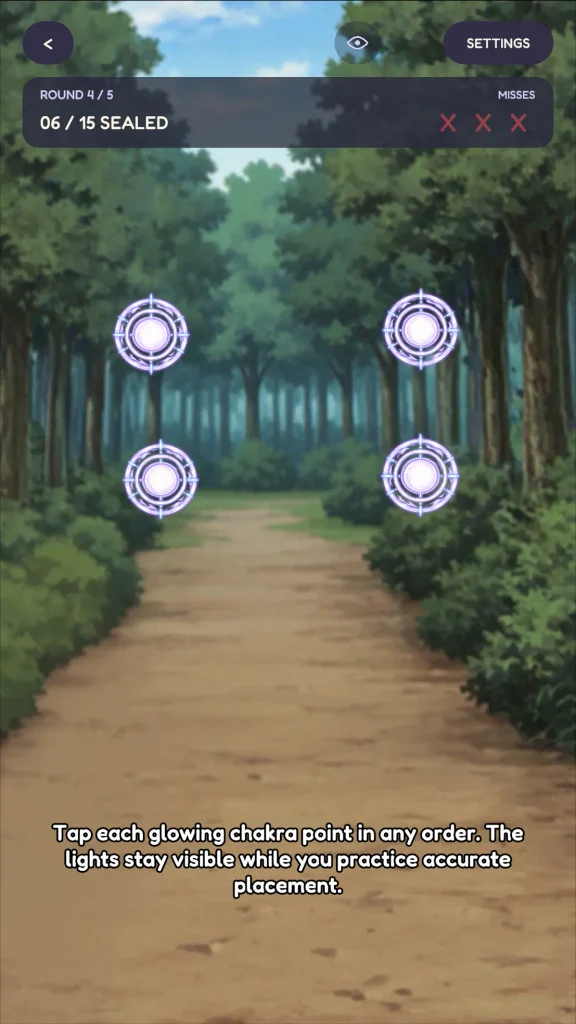




Kunoichi Sensei is a fast-paced stealth action game that casts players as a skilled ninja instructor guiding students through dangerous missions. The title blends tactical combat, level-based progression, and character growth into a compact mobile experience that rewards planning, timing, and creative problem solving.
At its heart, Kunoichi Sensei focuses on short, focused missions where stealth and precision matter. Players plan approaches, use environmental tools, and execute combos to defeat targets without alerting entire areas. Each mission offers objectives such as rescue, sabotage, or assassination, and completing them grants resources used for upgrades and unlocking new challenges.
Combat balances close-quarters techniques with ranged gadgets. Basic attacks chain into special moves, and a limited stamina system forces measured engagements rather than button-mashing. Experience points and mission rewards feed into a progression tree that unlocks new skills, passive bonuses, and combat arts. As a result, the sense of growth is steady: small improvements meaningfully change how you approach later missions.
Maps in Kunoichi Sensei range from tight indoor compounds to larger outdoor villages. Level design favors multiple paths and verticality, encouraging exploration and replay. Dynamic objective placement and randomized patrol patterns increase replay value so the same map feels fresh on subsequent runs. Optional side objectives and hidden challenges give completionists extra goals to pursue.
Players can customize the lead character and a roster of apprentices. Loadouts include primary tools, throwable items, and passive gear that modify stealth or combat capabilities. Cosmetic options allow visual personalization without affecting balance. Investing resources into apprentice skills creates distinct playstyles, making party composition an important tactical consideration for higher difficulty missions.
Success in Kunoichi Sensei often comes down to careful reconnaissance and timing. Players benefit from scouting routes, tagging enemies, and setting traps to divide forces. Sound and light are meaningful systems; alarms summon reinforcements and bright areas reduce stealth effectiveness, forcing adaptation. Encounter variety—ranged enemies, armored foes, and mechanical sentries—encourages flexible strategies and thoughtful resource management.
The user interface emphasizes quick access to abilities and a clear mission overlay. Touch controls map to movement, basic attacks, special skills, and item shortcuts. Control sensitivity and HUD elements are adjustable to suit different device sizes and player preferences. Optimizations aim to keep frame rates stable on mid-range hardware while preserving sharp visual detail and smooth animations.
Kunoichi Sensei uses a stylized aesthetic that mixes traditional Japanese motifs with modern design flourishes. Character silhouettes and clear contrast help readability during stealth segments, while particle effects and motion trails accentuate special moves. An atmospheric soundtrack and context-aware audio cues heighten tension during stealth and reward successful takedowns with satisfying sound design.
For players who enjoy thoughtful action with an emphasis on planning, Kunoichi Sensei offers layered systems and steady progression. The combination of varied levels, adaptable characters, and strategic mechanics creates a compact but deep experience that rewards experimentation and mastery over time.