
Elf Jail
Version: 3.2
14.00MB
4.4
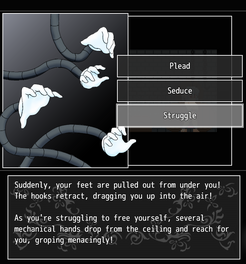
Elf Jail is a tactical puzzle game that challenges players to rescue mischievous elves from intricate prisons using logic, timing, and a toolbox of abilities. The title blends stealth, platforming, and brainteaser elements into short missions with escalating difficulty, rewarding planning and experimentation across varied environments.
The central mechanic in Elf Jail revolves around manipulating environmental hazards and enemy patrols to free captive elves. Each level presents a unique layout of traps, locks, switches, and guards. Players guide a small team or single operative through tile-based rooms, triggering mechanisms and using items to open routes. The game emphasizes prediction: studying guard patterns and timing interactions is often more important than quick reflexes.
Levels in Elf Jail are arranged into thematic chapters, each introducing a new twist on the core rules. Early stages act as tutorials, teaching how to disable alarms, use decoys, and bypass one-way doors. Later chapters combine those elements into multi-room puzzles with optional objectives and time-limited challenges. Progression rewards completion with upgrades, new tools, and cosmetic unlocks that provide both practical and visual variety.
Not all elves are the same. Some are nimble climbers able to access vents and high ledges, while others can hide in crates or jam sensors. Players can recruit specialists with passive and active abilities: lockpicking modules, short-range teleporters, and distraction devices. Choosing the right mix of characters for a mission is a key decision that shapes viable strategies and replay value.
Success in Elf Jail comes from layered decision-making. Levels often allow multiple solutions, encouraging experimentation with nonlethal approaches and clever use of the environment. A player might reroute patrols by triggering a switch, then use a cloaking ability to slip past a camera, or create a noise to herd guards into a trap. Resource management also matters: limited-use items and cooldowns force meaningful choices about when to intervene directly versus relying on stealth.
The game pairs clean, readable visuals with atmospheric soundscapes to support its puzzle focus. Rooms are designed with clear visual cues so players can quickly identify interactable objects and hazard ranges. Subtle audio feedback communicates successful actions, while ambient tracks shift to heighten tension during alarms. Together, these elements help maintain flow and reduce frustration when replaying tricky sections.
Elf Jail offers a simple, responsive control scheme suitable for touchscreens and controllers alike. Contextual buttons adapt to the current situation, minimizing menu toggling during play. Performance is optimized for a broad range of devices: animations are streamlined, and graphical settings can be adjusted to maintain steady frame rates on older hardware. Loading times are kept brief to encourage short, repeatable sessions.
Replay value is bolstered by optional objectives, leaderboard challenges, and handcrafted puzzle variants. Each level includes hidden targets that unlock additional rewards when discovered. For players seeking more difficulty, timed runs and permadeath modes provide tougher tests of planning and execution. The combination of variable goals and alternative solutions keeps levels interesting long after initial completion.
Begin with the introductory chapter to learn basic mechanics and unlock a few essential tools. As you advance, revisit earlier levels with new abilities to access secret areas and collect extras. Elf Jail balances short, satisfying puzzles with deeper challenges that reward planning, making it well suited for casual sessions and longer strategic play.