Saki and the Crucible of Debauchery
Version: Final
2191.00MB
4.1
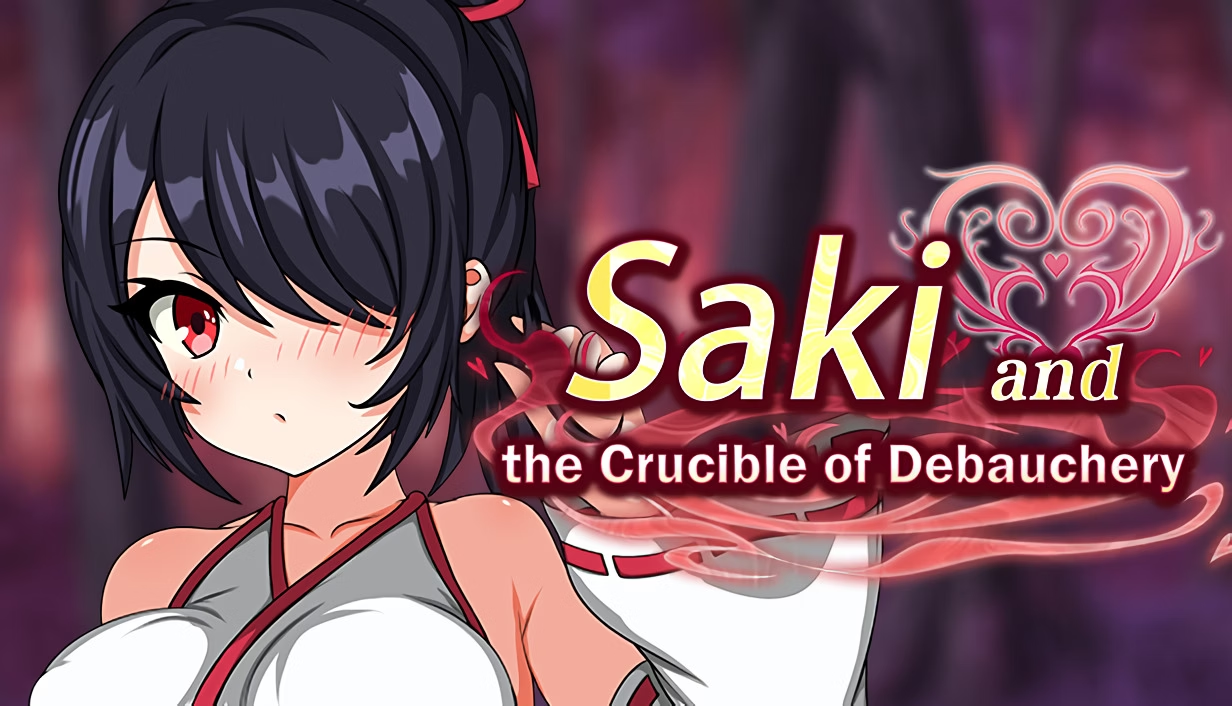
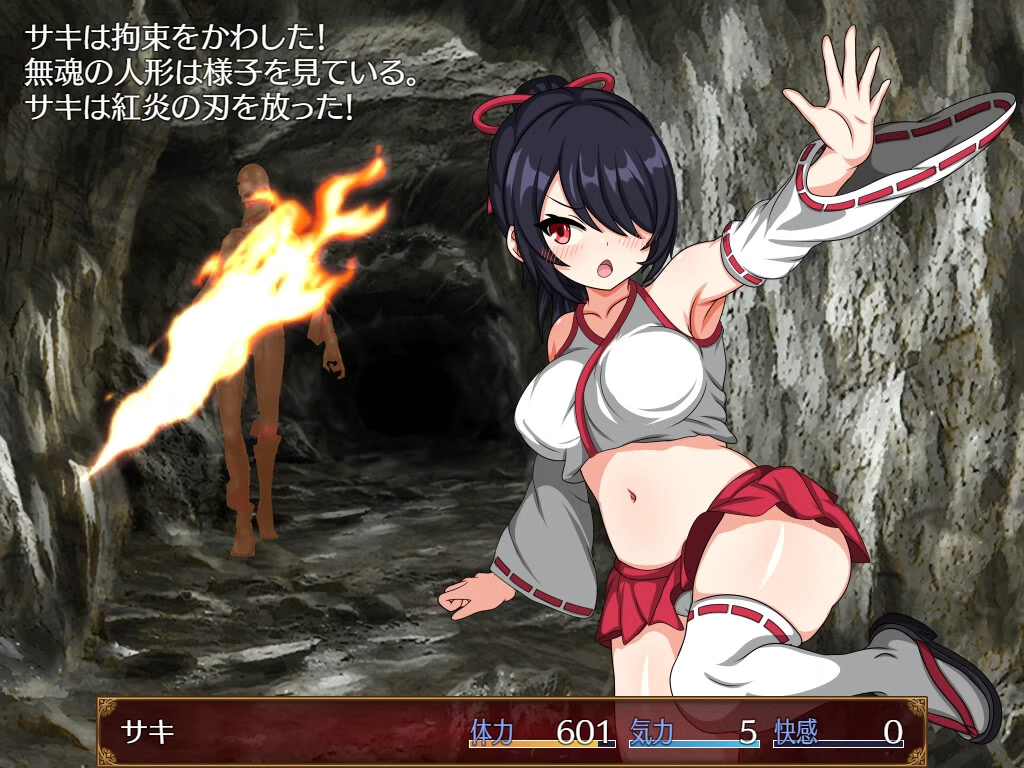
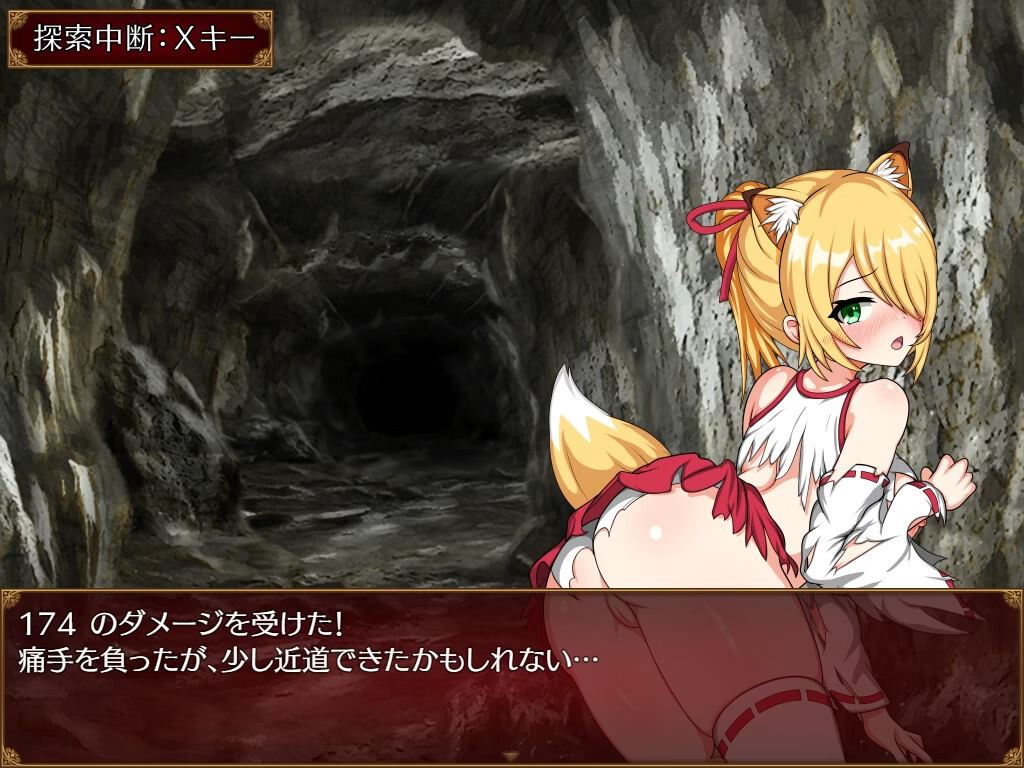
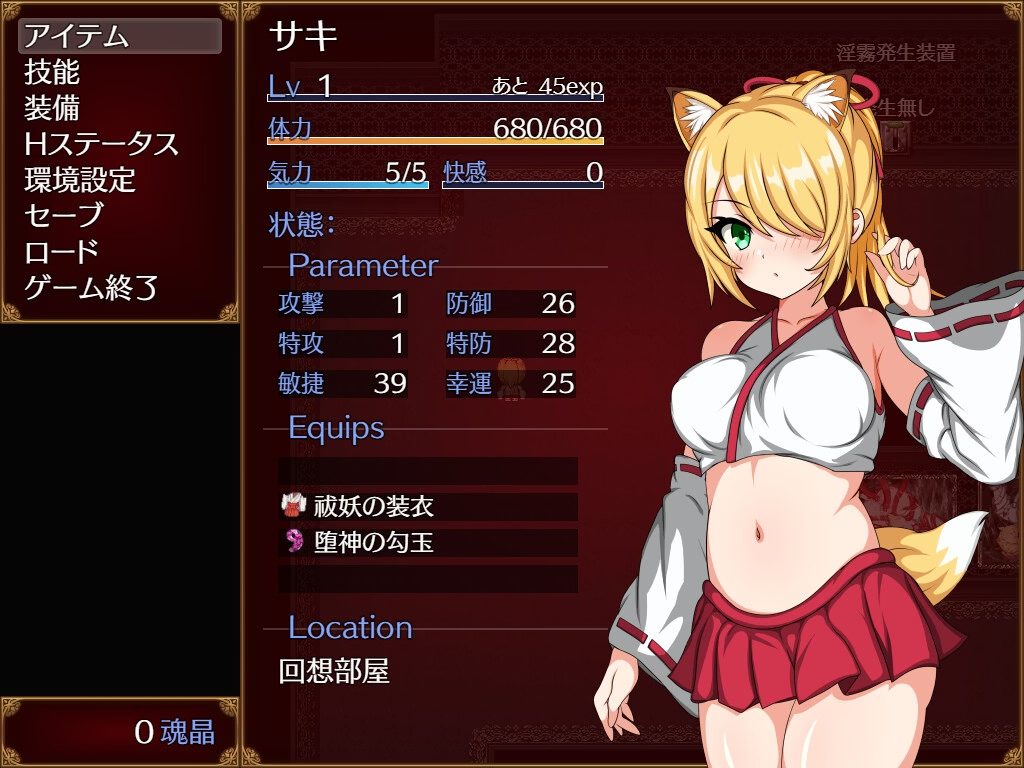
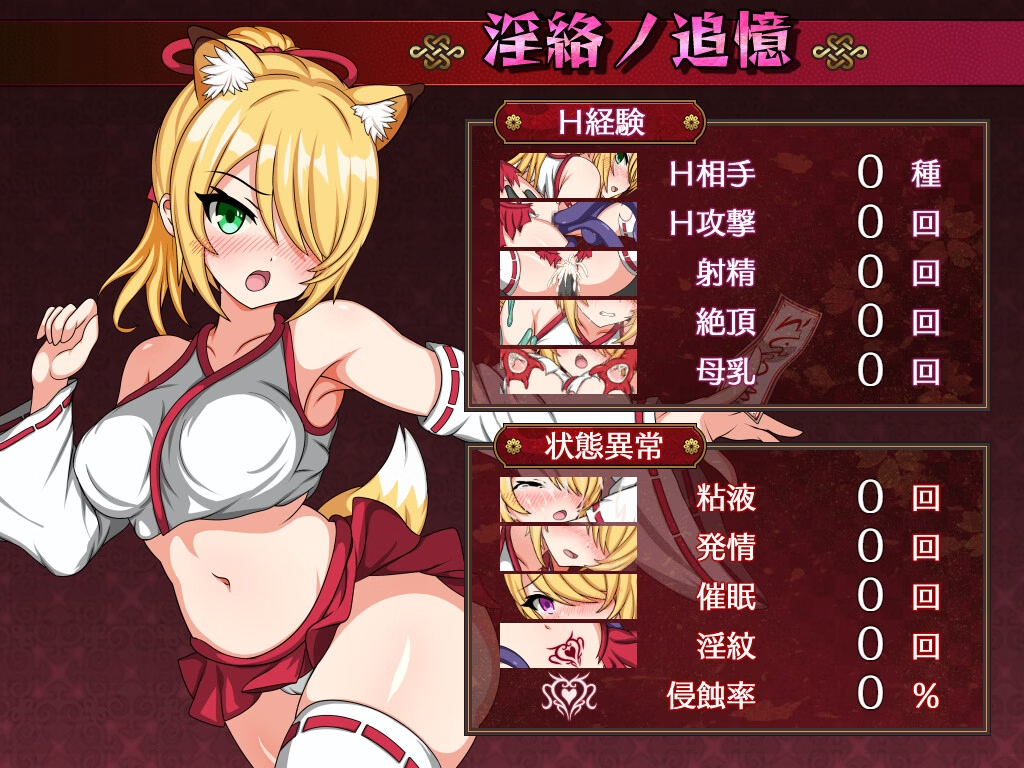
Saki and the Crucible of Debauchery is a narrative-driven action RPG that blends tactical combat, exploration, and character-driven storytelling. Players guide Saki through branching encounters, uncovering secrets and upgrading abilities while navigating morally ambiguous choices that shape relationships, resources, and the unfolding campaign.
The world of Saki and the Crucible of Debauchery is built around a series of interlinked districts, each with unique challenges, NPCs, and hidden lore. The game balances scripted story beats with procedural events so that no two playthroughs feel identical. Exploration rewards curiosity: side missions reveal character backstories, while environmental puzzles unlock rare gear.
Combat in Saki and the Crucible of Debauchery mixes real-time action with a pause-and-plan option that lets players queue abilities and reposition allies. Encounters emphasize resource management — stamina, special meters, and limited-use items — forcing tactical decisions instead of button mashing. Enemy types demand varied approaches, encouraging players to switch loadouts and exploit elemental or status vulnerabilities.
The protagonist and supporting cast grow through experience, skill trees, and relational choices. Unlockable branches let you specialize in stealth, heavy-hitting melee, or supportive magic. Each upgrade feels meaningful: new combos, passive bonuses, and upgradeable equipment reshape how characters perform in combat and interact socially. Saki's personal arc is central; choices tied to reputation can open or close distinct storylines.
Levels in Saki and the Crucible of Debauchery are designed to support multiple strategies. Ambush points, environmental hazards, and verticality reward planning and map awareness. Boss fights present multi-phase mechanics that test timing and adaptation. Players who explore will find alternative routes and optional mini-bosses that yield powerful crafting materials for late-game builds.
Customization extends beyond combat. Outfit systems, cosmetic items, and a modular equipment upgrade tree let you personalize both appearance and function. The art direction mixes moody atmospheres with sharp character designs, striking a tone that feels mature without explicit content. Lighting and particle effects enhance combat clarity, while menus remain accessible for quick loadout changes between encounters.
Controls are optimized for touchscreens with configurable layouts and controller support for players who prefer physical input. Responsiveness is prioritized: attack animations can be cancelled into dodge or skills for fluid combos. Performance settings allow toggling effects and resolution to suit a wide range of devices, keeping frame rates stable even during hectic sequences.
While primarily a single-player experience, Saki and the Crucible of Debauchery includes optional asynchronous features: leaderboards, challenge rooms, and shared world events that influence resource drops. These elements provide light social competition without forcing players into co-op if they’d rather focus on the story and solo progression.
Starting the adventure is straightforward. The onboarding tutorial covers movement, combat basics, and how moral decisions affect the narrative. Early missions introduce core systems gently, giving players a chance to experiment before facing tougher encounters. Save options and difficulty modifiers ensure the game accommodates varied playstyles.
Replayability comes from branching decisions, multiple character builds, and a variety of challenge modifiers. Collectibles and achievement goals offer long-term incentives for completionists. Many players report enjoying the combination of story depth and mechanical variety, making Saki and the Crucible of Debauchery a compelling title for those who like to tinker with strategy while following a rich narrative.