Prana: The forgotten sin
Version: 0.0.1
118.48MB
4.5
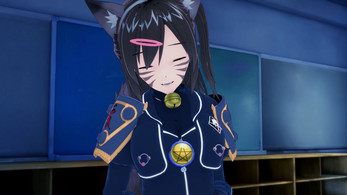
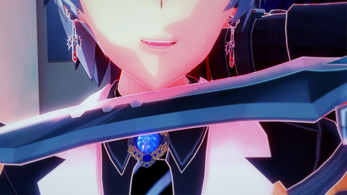
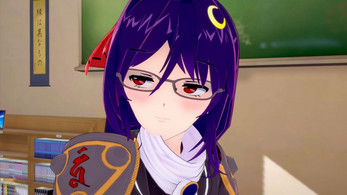

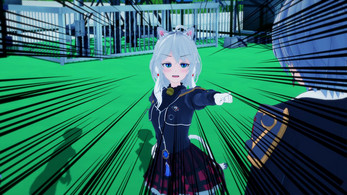
Prana: The forgotten sin is a mature visual novel intended for players 18+ that blends branching narrative design with a darkly comic tone and character-focused drama. Set at a military academy where cadets train to confront supernatural anomalies, Prana: The forgotten sin introduces a compact demo that presents multiple decision points, distinct character interactions and emotional beats that range from absurd humor to more serious personal conflicts. This introduction is designed to give new players a clear sense of the story world and the cast while demonstrating the game's core mechanics and tone.
The demo offers a series of branching routes where player choices direct dialogue, relationships and scene outcomes, encouraging replay to see alternative narrative paths. Players will meet a varied ensemble of characters including disciplined leaders, eccentric classmates and animal-eared companions, each written to provide both comic relief and deeper dramatic moments. The setting—an academy focused on training for supernatural threats—creates a backdrop of institutional duty and moral ambiguity, which the story uses to frame personal regrets and difficult decisions. The release supports English and Spanish from launch and promises additional language support in future updates.
Gameplay follows the conventions of choice-driven visual novels with a strong emphasis on reading, selecting responses and watching the narrative branch. Controls are simple and optimized for touch devices: tap to advance dialogue, long-press to access a quick menu for save or load, and a dedicated auto-play option to let text progress at a chosen speed. Adjustable text speed and a skip-unread feature help returning players move quickly to unexplored content. The interface keeps choices visible and contextually grounded so players can weigh options without intrusive overlays.
Progression in the demo is narrative rather than level-based: choices set flags that unlock different scenes and alternate endings, making each playthrough a chance to reveal new character moments or plot twists. The demo's short runtime—roughly an hour across major routes—functions as a focused sampler that demonstrates branching structure and invites replay for discovery. The main challenge is narrative: moral dilemmas and emotionally charged decisions carry consequences that change later interactions, so careful observation and repeated playthroughs are rewarded. Future updates are planned to expand route length and add additional scenes to increase overall depth and challenge.
Visually the game favors character portraits, expressive facial sprites and detailed background art to convey atmosphere within interiors of the academy and its surrounding locales. The aesthetic balances bright, colorful character design with moments of subdued or darker palette when the narrative shifts to weightier themes. Sound design and music are used sparingly in the demo to support tone, with ambient tracks that underline tension during key scenes and lighter motifs for comedic beats. The presentation aims to keep focus on characters and writing while providing a consistent visual identity throughout the demo.
Prana: The forgotten sin includes basic accessibility and customization options to improve readability and comfort: adjustable font size, text box opacity and toggles for auto-advance and vibration feedback. The game is playable offline once installed, allowing reading and choice-making without a persistent network connection. Language options and clear content warnings are included to help players make informed decisions before launching a playthrough.
This title is an indie project created by a solo developer dedicated to improving the game over time; updates are planned to expand story content, add additional languages and polish production elements. The current release is a demo that runs a little over an hour across its routes and does not include the adult scenes that are intended for future updates. Players should note the 18+ rating and approach the narrative with awareness of mature themes. Feedback from early players will guide the next phases of development as the creator refines pacing, art and translation quality.