
100 Doors Escape: Let me In!
Version: 1.10.3
149.00MB
4.2

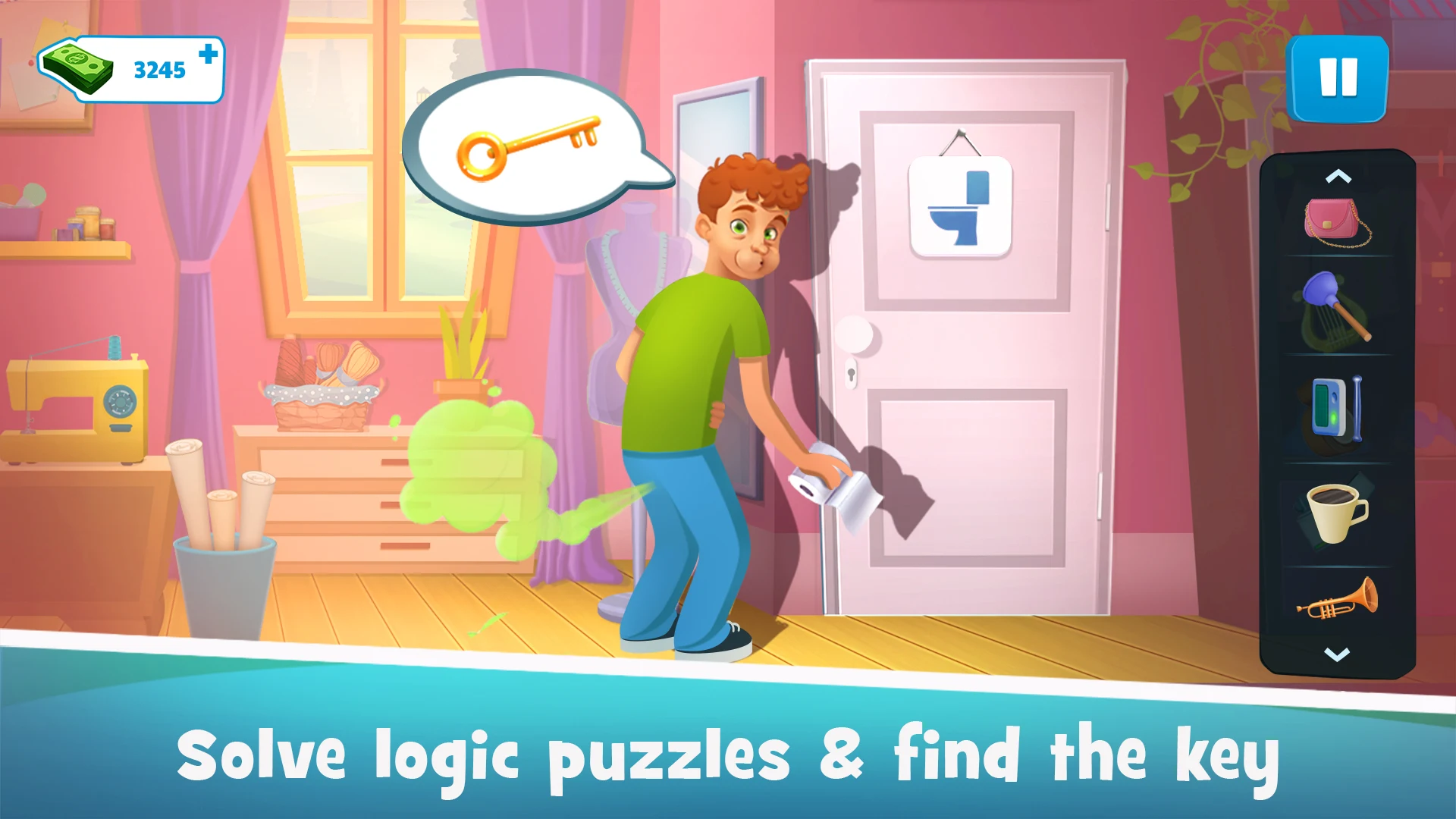


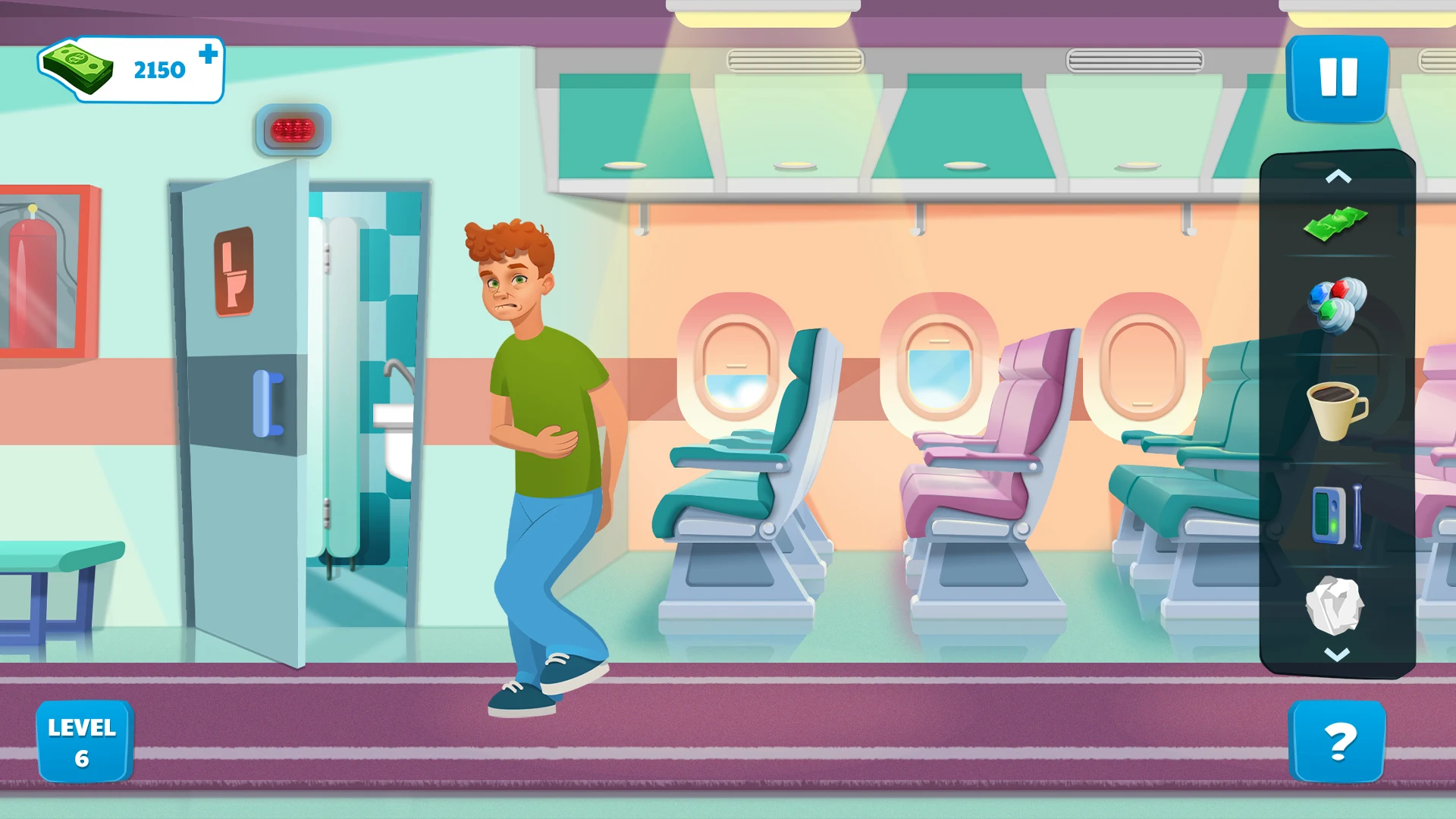



100 Doors Escape: Let me In! is a fast-paced puzzle escape game that challenges players to unlock a sequence of locked doors using observation, logic, and interactive problem solving. Each level presents a new scenario with clever traps, hidden clues, and objects you must combine to advance through increasingly inventive rooms.
At its heart, 100 Doors Escape: Let me In! delivers bite-sized puzzle rooms where the objective is always the same: find a way to open the door. Levels rely on environmental interaction — tapping objects, rotating items, noticing visual cues, and manipulating simple machines. Puzzles blend item collection, pattern recognition, and light physics, ensuring a varied challenge that rarely feels repetitive.
The game features a sequence of standalone rooms organized by difficulty. Early stages introduce mechanics and teach basic interactions, while later levels combine elements to increase complexity. Progression is straightforward: solve a room to unlock the next. Occasional checkpoints and gentle difficulty ramps help maintain momentum without sacrificing satisfaction when a tricky door finally yields.
Puzzles in 100 Doors Escape: Let me In! range from visual riddles and number codes to object-based contraptions. Successful play depends on paying attention to detail and experimenting with the environment. Strategies that work well include inventory management, systematic testing of hypotheses, and revisiting previously ignored corners of the scene for subtle hints. Creative thinking often rewards players who try non-obvious combinations.
Controls are optimized for touchscreens with intuitive tap-and-drag mechanics. Interact directly with levers, buttons, drawers, and hidden compartments. The interface keeps the screen uncluttered so you can focus on the puzzle. For accessibility, the game avoids tiny tap targets and incorporates responsive feedback when objects are manipulated.
Art direction favors clear, readable environments so clues stand out. Rooms are stylized rather than photorealistic, allowing designers to emphasize interactive elements. Ambient soundscapes and subtle effects enhance immersion; audio cues occasionally point toward solutions. Overall, the presentation supports puzzle solving by balancing aesthetic polish with functional clarity.
When you get stuck, the game provides tiered hints to nudge you in the right direction without giving everything away. Hints are designed to preserve the sense of discovery while preventing frustration. Replay value comes from the satisfaction of mastering particularly clever rooms and aiming for quicker completion times. Hidden Easter eggs and alternate solutions add depth for dedicated players.
100 Doors Escape: Let me In! runs smoothly on a wide range of Android devices thanks to lightweight assets and efficient code. Load times are short and touch responsiveness remains consistent across mid-range hardware. The game’s small file size and offline play option make it convenient for travel or short play sessions.
100 Doors Escape: Let me In! hooks players through concise challenges, clever level design, and steady escalation of difficulty. The game rewards observation and experimentation rather than speed alone, making each solved room feel earned. For anyone who enjoys lateral thinking and tactile puzzle interaction, it’s an engaging and portable escape experience.