Sin or Live
Version: 1.0
561.10MB
4



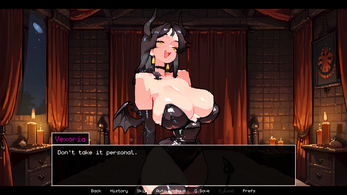

Sin or Live delivers a tense multiplayer experience where deduction, bluffing, and quick decision-making determine outcomes. Players assume hidden roles, complete objectives, and face moral choices across varied scenarios. The game blends social strategy with action rounds and rewards players for smart teamwork and daring deception.
Sin or Live places small groups into compact maps filled with interactive elements and mission objectives. Each match mixes stealth, conversation, and timed events so no two rounds feel identical. With a focus on player-driven drama, the title encourages emergent storytelling: alliances form, betrayals occur, and the scoreboard reflects both skill and cunning.
At its heart, Sin or Live is about information—who knows what, and when. Players receive asymmetric goals that can conflict with team objectives. Some roles excel at gathering intelligence, while others can manipulate or remove opponents. Rounds alternate between investigation phases where evidence is collected, and action phases that test reflexes and decision-making under pressure.
Characters are defined by unique abilities and progression paths. New players unlock basic roles that teach core mechanics, and veteran players work toward advanced characters with specialized perks. Progression rewards effective play through cosmetic unlocks, ability tweaks, and new loadout options that change how a role behaves in tight situations.
Maps in Sin or Live are designed for short, replayable encounters. Environments range from cramped urban interiors to abandoned complexes with multiple vantage points. Each map supports several match types including objective-based rounds, elimination skirmishes, and dynamic events where environmental hazards alter strategies mid-game.
Success in Sin or Live requires reading opponents and planning contingencies. Early rounds are often exploratory—testing traps, probing reactions, and gauging trust. Later rounds demand decisive execution; teams that plan around role synergies and map control tend to dominate. Mind games and misinformation are as valuable as aim and timing.
Communication tools are built to support both cooperative planning and competitive deception. Voice channels, quick-chat commands, and limited visibility mechanics let players coordinate without removing the uncertainty that fuels tense moments. The social layer is intentionally deep, making interpersonal dynamics a central part of the experience.
Sin or Live offers responsive touch controls tuned for rapid actions and precise movement. The interface balances accessibility with depth: gestures and shortcuts accelerate common tasks while on-screen prompts help newcomers adapt. Performance-wise, the game runs smoothly across a range of devices, and graphics settings can be adjusted to prioritize frame rate or visual fidelity.
Art direction favors moody atmospheres and readable silhouettes to keep gameplay fair during chaotic moments. Lighting cues and sound effects play a functional role, signaling important events such as nearby activity or mission progress. A minimalist HUD keeps focus on the action while subtle audio design enhances tension.
Begin with tutorial matches to become comfortable with core systems, then try casual games to experiment with roles and strategies. As you build experience, customize your loadouts and pursue progression goals that fit your playstyle. Regular play reveals subtle tactics and counters that make each victory more satisfying.
Sin or Live mixes unpredictable social dynamics with skill-based interactions, creating memorable matches that encourage repeat play. The balance of replayable maps, evolving roles, and social drama gives players reasons to come back: to refine tactics, master characters, and orchestrate unforgettable rounds with friends or rivals.