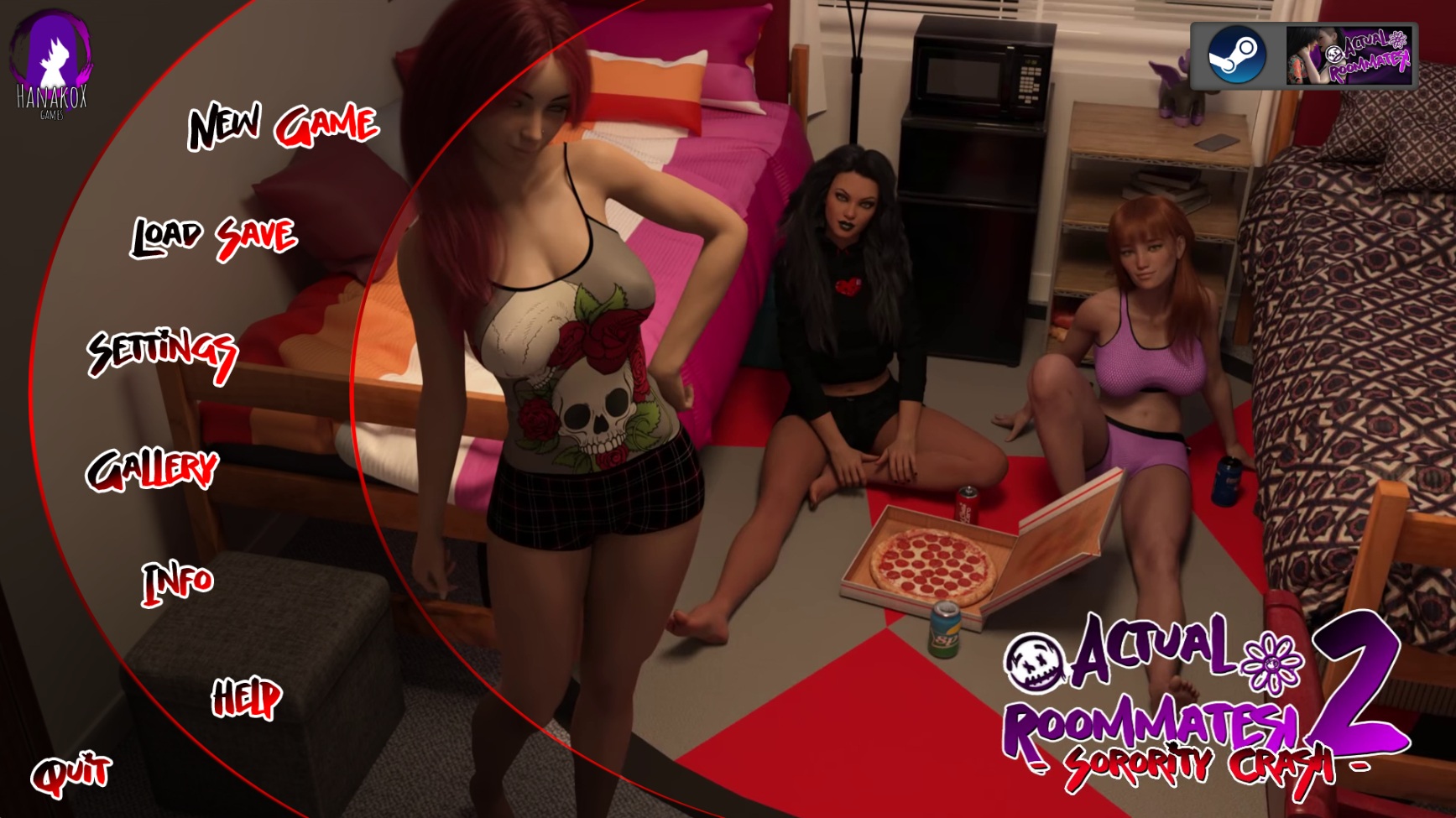
Actual Roommates 2
Version: 1.0
1381.82MB
4.4





Actual Roommates 2 drops you into the chaotic halls of Blairmont University, placing you in the shoes of the daughter of the infamous '12 shots Lawrence' as you juggle housing shortages, sorority recruitment and the daily friction of shared living. The game blends branching narrative choices and character-driven interaction with an offbeat comedic tone, so decisions about where to live, who to trust, and how to handle awkward social moments shape each playthrough.
Actual Roommates 2 centers on relationship-driven storytelling and reactive situations that adapt to player choices. You will encounter a cast of eccentric roommates, potential romantic interests and rivals, and a series of campus events that can change the direction of your story. Housing options — from crowded dorms to frat basements, sorority life and the search for off-campus apartments — are meaningful systems that influence daily routines and social opportunities. Humor, petty conflicts and a light mystery thread keep the pacing unpredictable without relying on repetitive mechanics.
The core gameplay is choice-based narrative with layered social mechanics. Conversations present branching responses that modify friendships, flirtation meters and reputational standing on campus. Roommate dynamics are influenced by shared chores, mood-driven interactions and mutually dependent activities that can create conflicts or alliances. Events and mini-scenarios are resolved through dialogue choices rather than reflex-based challenges, rewarding planning, empathy and occasional mischief. These mechanics encourage players to experiment with different strategies and to balance social commitments against the practical need to secure housing and manage schedules.
Controls are designed for touch devices with simple tap-and-select interactions and an intuitive interface that highlights available choices and outcomes. Progression is narrative-led rather than level-based: advancing chapters unlock new locations, personalities and story branches as your relationships and housing decisions evolve. Milestones such as pledging a sorority, signing a lease, or resolving a major rivalry serve as progression markers that open alternate endings and new scenes. Save options and an autosave feature make it easy to return to key moments and replay important decisions.
The visual presentation leans on character expressions, readable scene layouts and distinct environmental art for dorms, campus common areas and apartment interiors. Levels are effectively organized as episodic chapters, each focused on a cluster of events and character arcs that advance both plot and interpersonal dynamics. Scene transitions are paced to emphasize dialogue and character reactions, and visual cues help communicate relationship shifts and important choices without overwhelming the player.
Customization is primarily narrative and situational: players shape their protagonist's social approach, choose living arrangements and prioritize which relationships to develop. Because many scenes branch based on past choices, multiple playthroughs reveal different roommate combinations, romantic routes and conspiracy threads. Optional side events and alternative housing outcomes increase replay value, encouraging players to try different strategies to see new dialog, unlock hidden scenes and reach diverse endings.
Menus and dialogs are written for clarity and pace, with options to adjust text size and toggle pacing preferences where available. The interface aims to be approachable for new players while offering depth through layered social systems, and clear in-game prompts explain how choices impact relationships and housing status. Developers provide content warnings for mature themes and allow players to skip scenes they do not wish to replay, which improves usability for a wide audience.
The narrative design supports offline play, letting you explore chapters and make decisions without a persistent internet connection. Challenges come in the form of timely choices and social dilemmas rather than arcade difficulty: time-sensitive events, limited-opportunity invitations and rival-driven complications create stakes that require prioritization and strategic social planning. These systems reward careful decision-making and add tension to otherwise comedic scenarios.
Actual Roommates 2 contains mature themes and frank humor that may not be suitable for all players; sexual content is handled through implication and character development rather than explicit description. The tone mixes comedy with occasional dramatic beats, and some players may find the overlapping plot threads intentionally chaotic. Those who enjoy narrative-driven dating-comedy experiences, strong character work and replayable branching stories will find plenty to explore, while players seeking straightforward mechanics or family-friendly content should review the content warnings before playing.