
Urdu Qaida
Version: 1.24
43.60MB
4.5
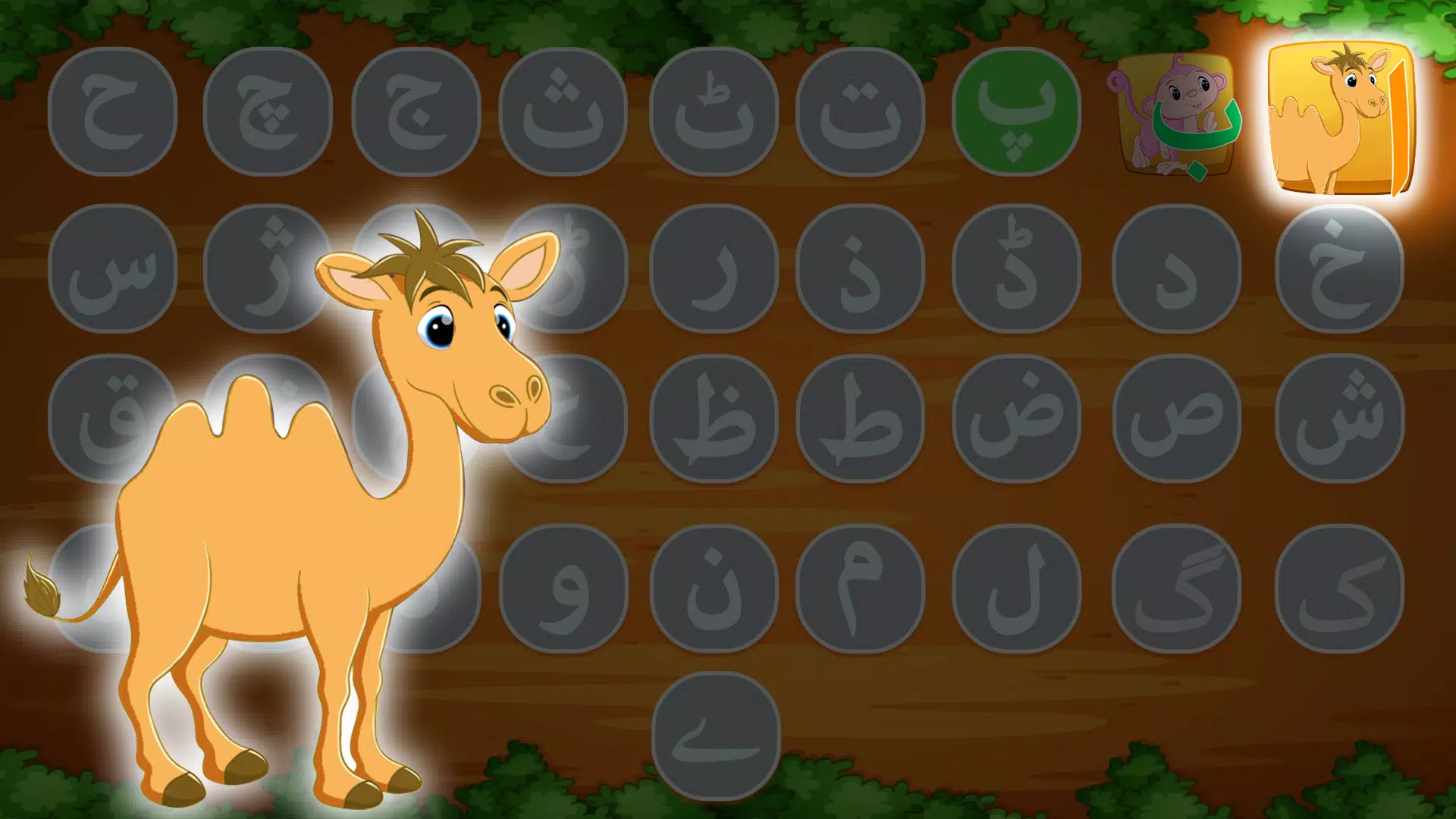
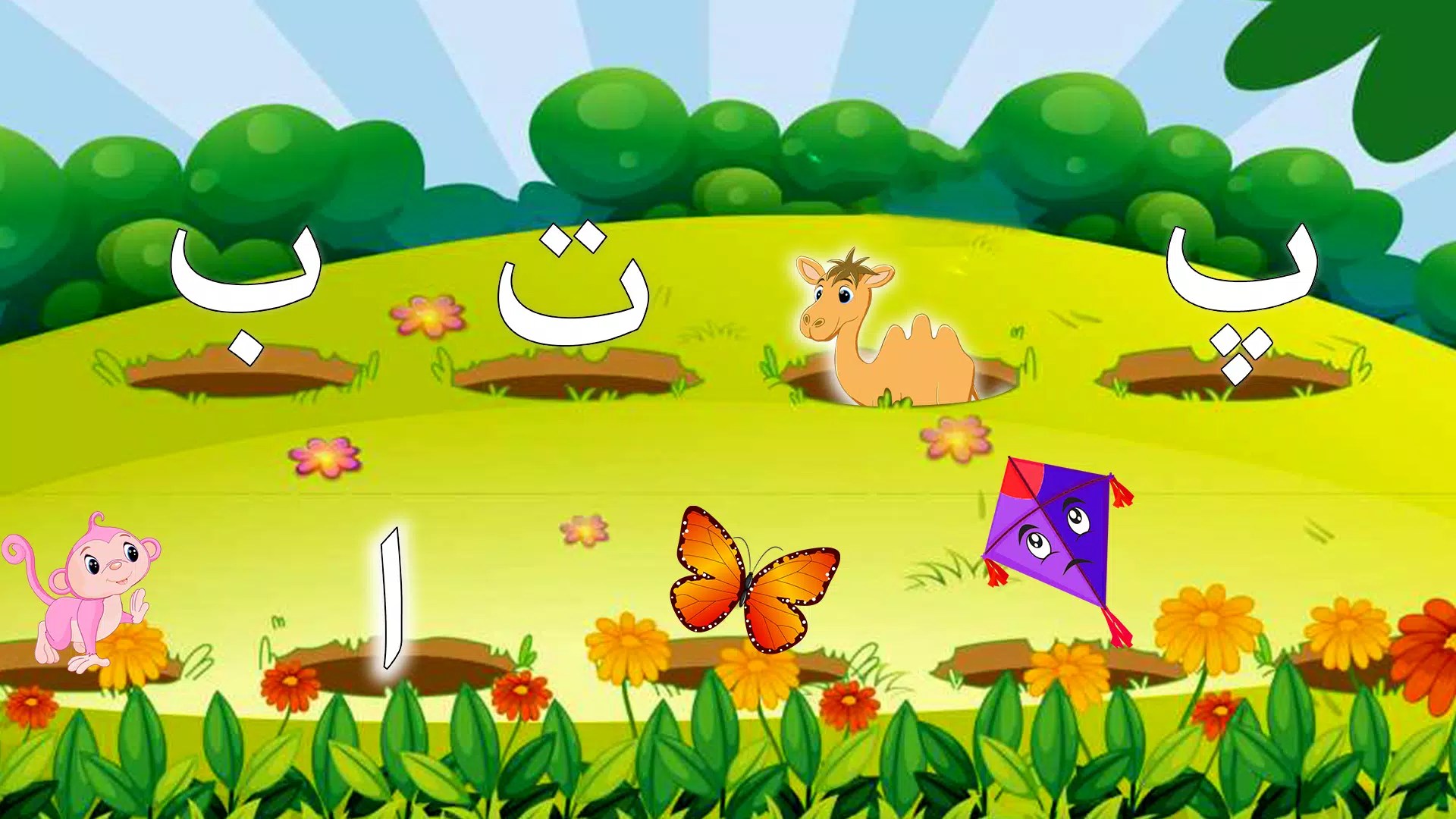
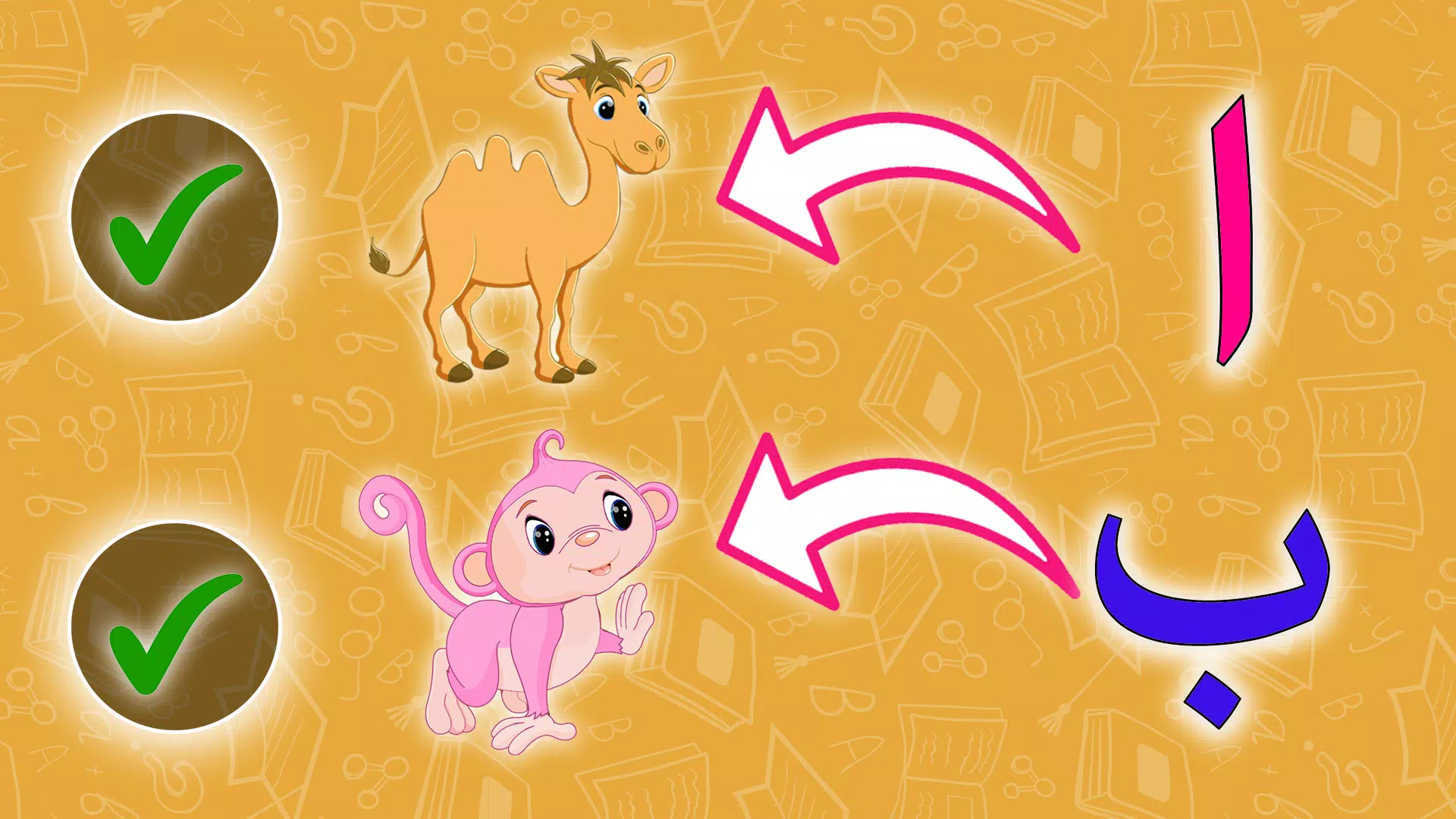




Urdu Qaida is a focused educational app designed to teach the fundamentals of Urdu reading and pronunciation. It provides structured lessons, clear audio guidance, and interactive exercises that help children and adult learners build confidence in letter recognition, phonics, and basic word formation in an intuitive, step-by-step format.
Urdu Qaida organizes learning into progressive modules that introduce letters, vowel signs, and simple syllables. Each module combines visual examples with recorded pronunciation so learners can hear correct articulation. The app emphasizes consistent daily practice and lets users revisit earlier lessons to reinforce memory and fluency.
The app includes several hands-on features designed to solidify understanding. Highlights include:
Urdu Qaida uses a clean, child-friendly layout that minimizes distractions. Buttons are large and clearly labeled, while color schemes focus on contrast for better readability. Icons and animations are subtle and purposeful, helping to guide learners without overwhelming them. Parents and teachers will appreciate the simple navigation that makes lesson selection and progress review straightforward.
Consistent practice is central to learning a script, and Urdu Qaida supports that with built-in tracking and motivational elements. The app logs completed lessons and quiz scores, and displays a progress map so users can see which areas need attention. Small rewards and badges encourage regular use, while the ability to repeat specific exercises ensures learners can address problem areas.
For adults guiding children, Urdu Qaida offers features to tailor the learning path. Teachers can assign particular modules, set practice reminders, and monitor results. Parental controls limit access to settings and purchases, creating a safe environment for young learners. Explanatory notes in English help non-native Urdu speakers understand pedagogical goals for each lesson.
Urdu Qaida is optimized for mobile performance and works smoothly on a wide range of Android devices. The app footprint is small to preserve storage space, and it performs well on low-end phones without draining the battery. Audio and animations are cached for offline use, allowing uninterrupted study when internet access is limited. Regular updates address compatibility with recent Android releases and improve stability.
The app is designed for short, regular sessions rather than long study blocks. A typical workflow might include a brief warm-up tracing exercise, a lesson with guided audio, and a short quiz to consolidate learning. This structure fits into daily routines—morning practice, a short break-time activity, or evening review—helping learners make steady progress with minimal planning.
Users can adjust font sizes and toggle high-contrast modes to suit different visual needs. The audio speed control and repeat options make the app accessible to learners with auditory processing differences. Multilingual instructions and tips for teachers increase usability in bilingual households or classroom settings.
Begin by selecting the first module to learn basic letters and sounds. Spend a few minutes each day on tracing and listening exercises, and use the quizzes to measure improvement. Parents or instructors can enable reminders and review progress reports weekly to identify topics that need extra practice. With consistent use, Urdu Qaida helps learners transition from recognizing individual letters to reading simple words with confidence.
Urdu Qaida balances structured curriculum design with interactive features that make learning engaging and effective. Its thoughtful interface, offline capabilities, and progress tracking make it a practical tool for anyone committed to learning Urdu script, whether for cultural literacy, religious study, or classroom instruction.