NTR and Zombies
Version: 0.5
304.00MB
4.3
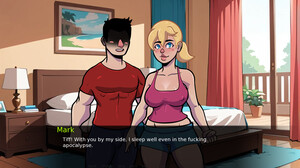
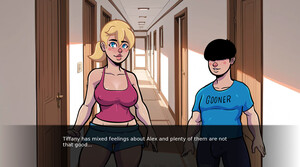
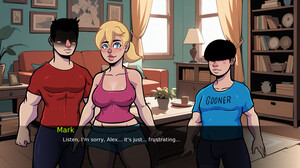
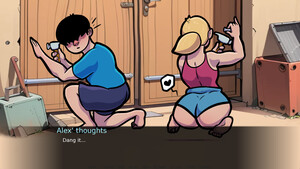
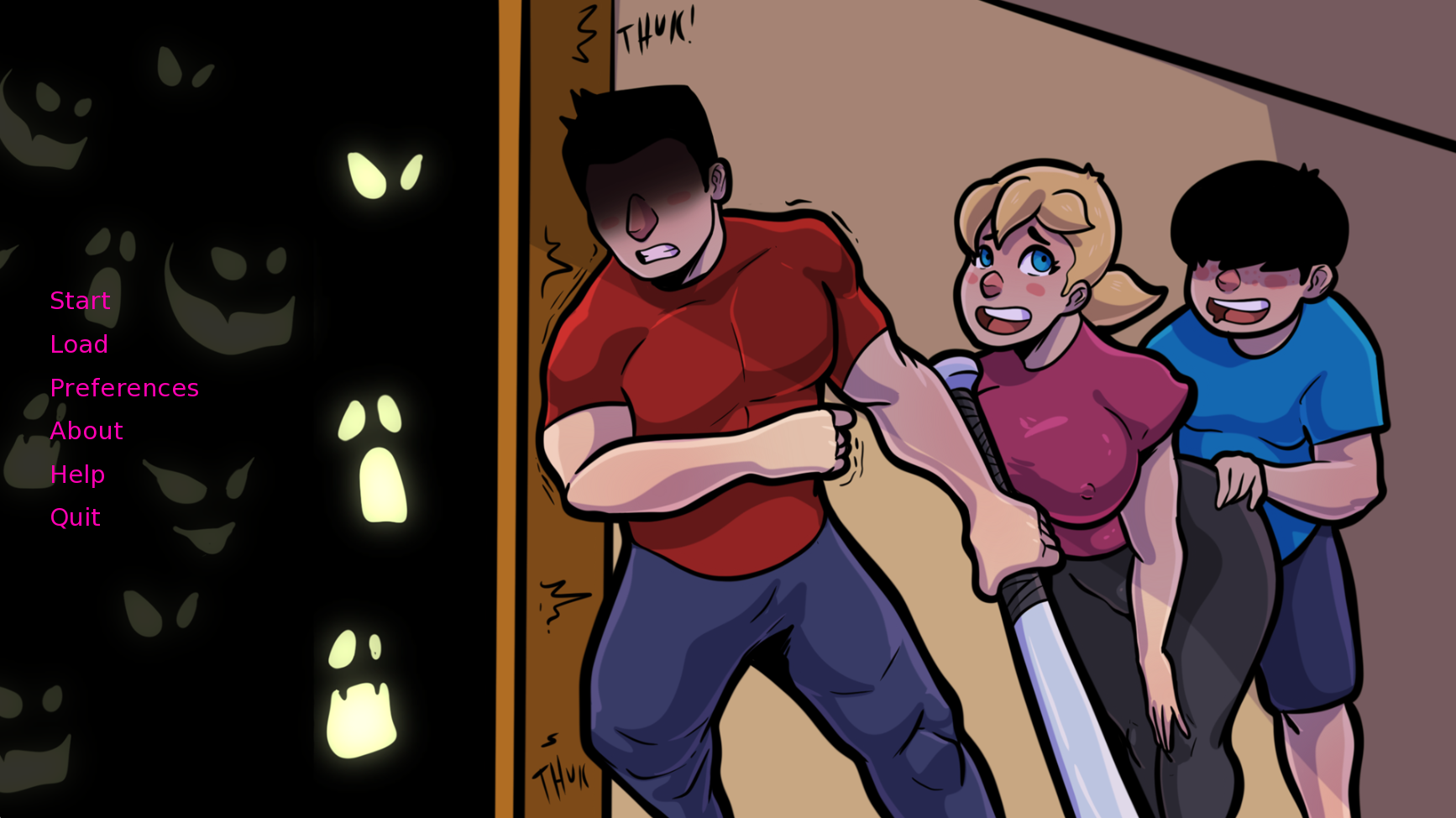
NTR and Zombies is a compact sandbox survival game that drops you into an intimate, character-driven household drama during a sudden global outbreak. In this single-player experience you manage three family members—Mark (renameable by the player), his girlfriend Tiffany, and his brother Alex—working to keep the home fed, safe and emotionally steady while the primary provider makes hazardous supply runs. NTR and Zombies focuses on emergent moments and small-scale decision making rather than giant battle systems, offering a slow-burning, thoughtful survival loop that emphasizes choices and consequences.
The core gameplay loop centers on scavenging, base upkeep and situational choices. You will search nearby houses, shops and abandoned vehicles for food, medicine, tools and improvised supplies, then decide which items to prioritize and who should risk an outside run. Encounters with infected NPCs are resolved through stealth, distraction or carefully weighed confrontations; combat is deliberate and risky, not an arcade shooter. A straightforward inventory and crafting interface lets you combine basic parts into usable tools, barricade materials or makeshift medical supplies, while character stamina and time windows limit how many high-risk tasks you can attempt in a day. NTR and Zombies uses randomized item placement alongside scripted narrative events so that familiar locations can still produce unexpected tactical puzzles on repeat playthroughs.
The game is designed primarily for touch devices with accessible input that keeps the focus on decisions rather than complex gestures. Controls include a virtual movement pad, a contextual action button for interactions, and a radial menu for inventory management and quick crafting. Each control can be resized and repositioned to suit different screen shapes, and sensitivity options are available to fine-tune movement responsiveness. Accessibility features include larger UI elements, adjustable text sizes, contrast settings for readability and optional simplified interaction modes for players who prefer fewer simultaneous inputs. Built-in tooltips and a short guided introduction help new players learn core mechanics without overwhelming them.
Progression is driven by scenario objectives, household needs and the relationships among characters rather than by a traditional experience-based ladder. As supplies become scarce and new threats emerge you will need to weigh competing priorities—repair the house, secure long-term food, or search for a hard-to-find medical item—and those choices shape which opportunities and complications appear later. Difficulty settings adjust resource abundance, NPC alertness and supply respawn rates to fit different tastes: a more relaxed pace lets players explore narrative outcomes, while tighter scarcity rewards careful planning and risk management. Time of day, character fatigue and emergent events (like a sudden illness or a break-in) create dynamic pressure that changes how you approach each decision.
The visual approach favors clarity and emotional detail over photorealism, using modest, grounded art to highlight character expressions and environmental storytelling. Levels are compact and connected—small residential blocks, a corner store, and a few commercial lots—so that the experience stays focused on household survival and tactical choices rather than open-world traversal. Lighting and weather are used sparingly but effectively to shape mood and visibility during specific missions, such as tense night runs or stormy scavenges, while readable UI feedback helps convey threat levels and item status without cluttering the screen.
Playing three distinct characters offers different viewpoints and situational strengths: one character may excel at calming tensions inside the house while another is better suited for risky scavenging. The option to rename the protagonist adds a personal touch to the narrative, and relationship choices between characters influence dialogue, morale and available options during critical moments. Replay value comes from branching outcomes, emergent events triggered by household status thresholds, and multiple approaches to solving supply problems—players are encouraged to experiment with different strategies to see alternative consequences and story beats.
This title is built for offline, single-player play so you can jump in without an internet connection and maintain several save slots to test different choices. Performance optimizations prioritize stable frame rates on a wide range of Android devices by scaling visual effects and culling distant detail when appropriate. Clear feedback, contextual help and progressive tooltips reduce friction during the learning curve, and the UI design emphasizes readability and quick access to essential information so players can make informed decisions under pressure.
Version 0.5 represents an early-stage build focused on the core family-survival premise, with the intention of keeping the scope tight while iterating on content and balance over time. Players can expect a compact, replayable experience that highlights emergent storytelling, resource management and tense exploration, and ongoing updates are planned to expand mission variety, refine encounter balance and deepen narrative branches based on player feedback. If you enjoy thoughtful, small-scale survival scenarios, NTR and Zombies offers an intimate alternative to large-scale action titles and will continue to evolve through future patches.