Deer Hunting:Animal Games 3D
Version: 0.9
57.10MB
4.2
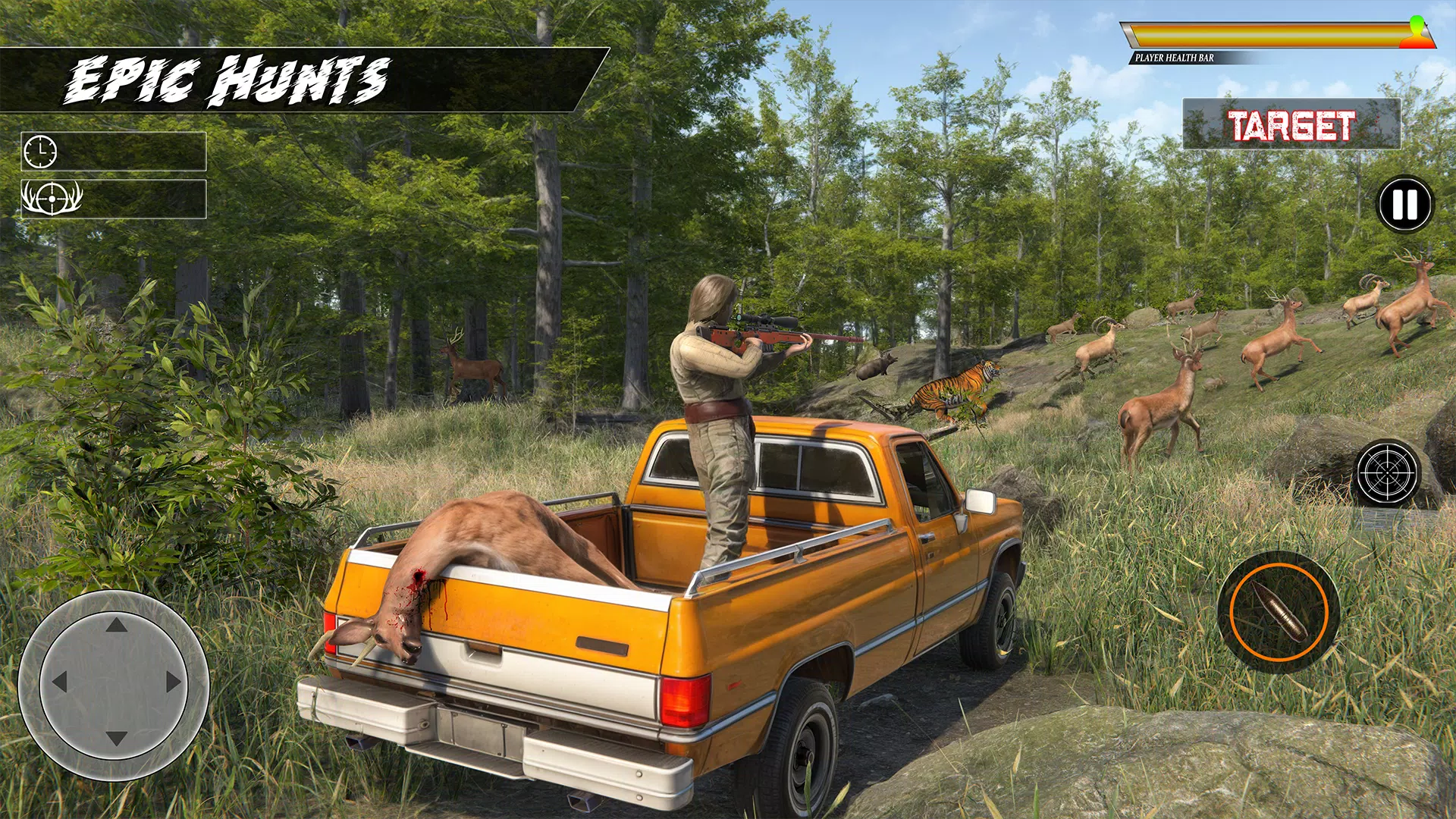
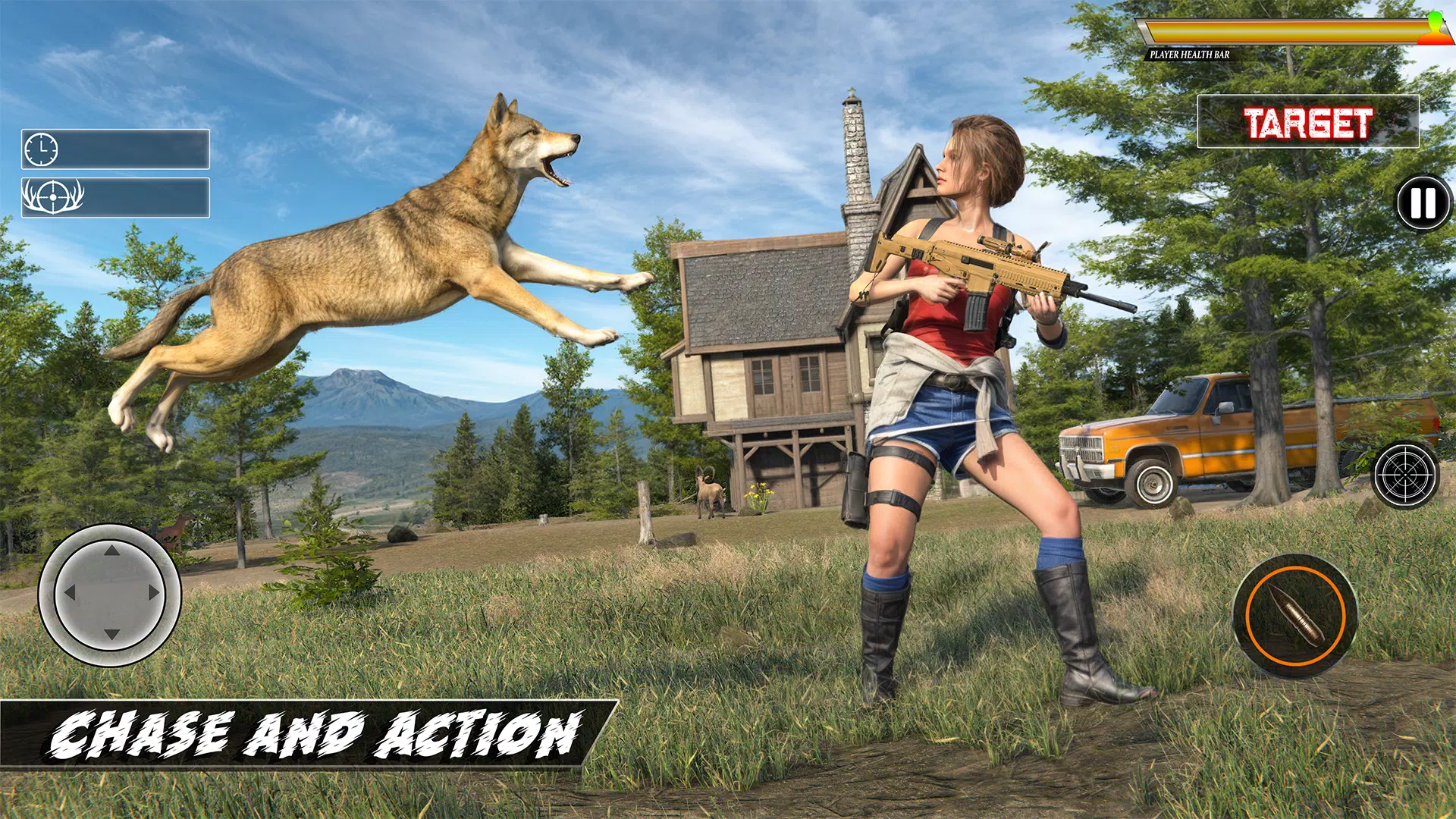
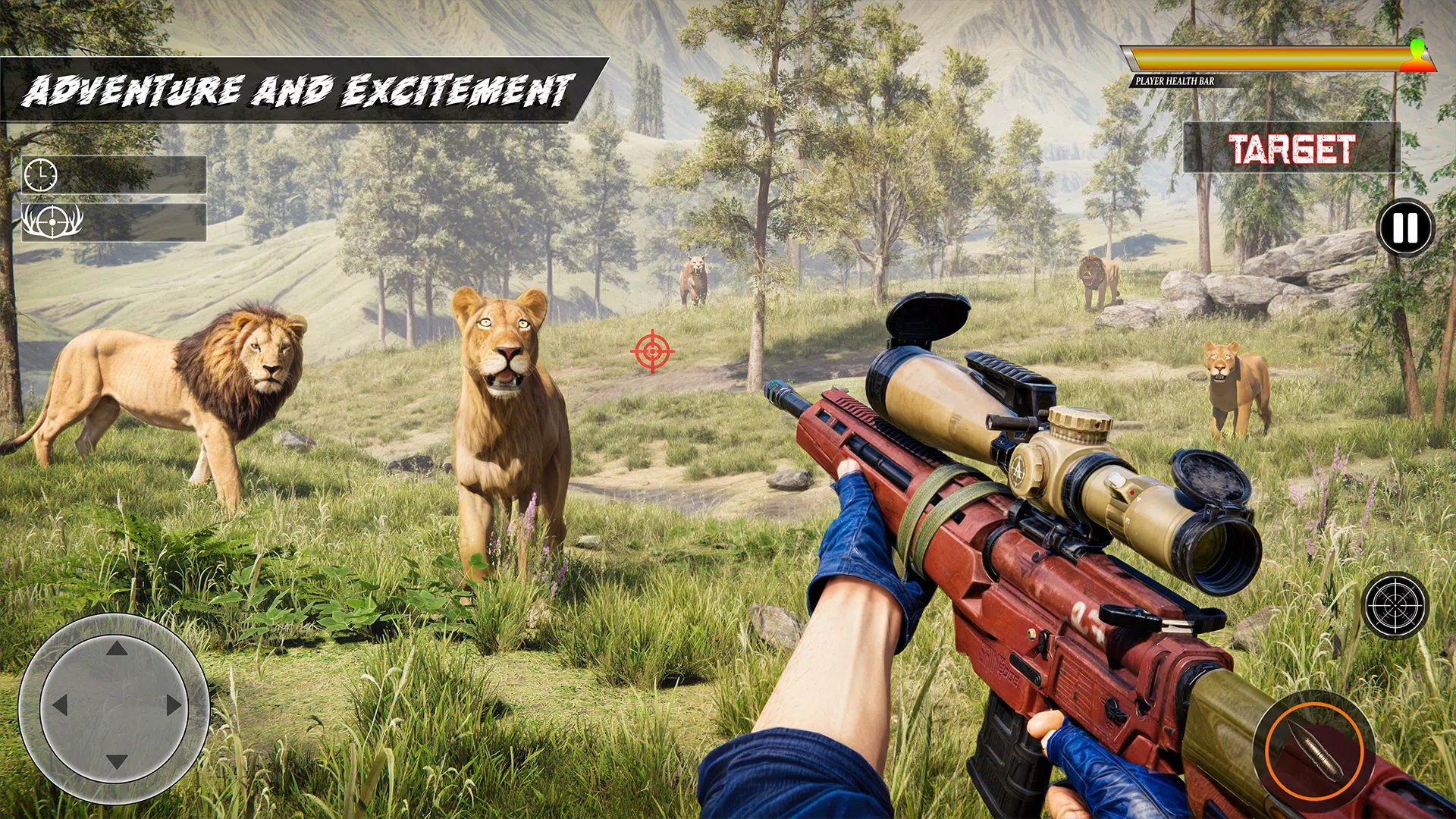
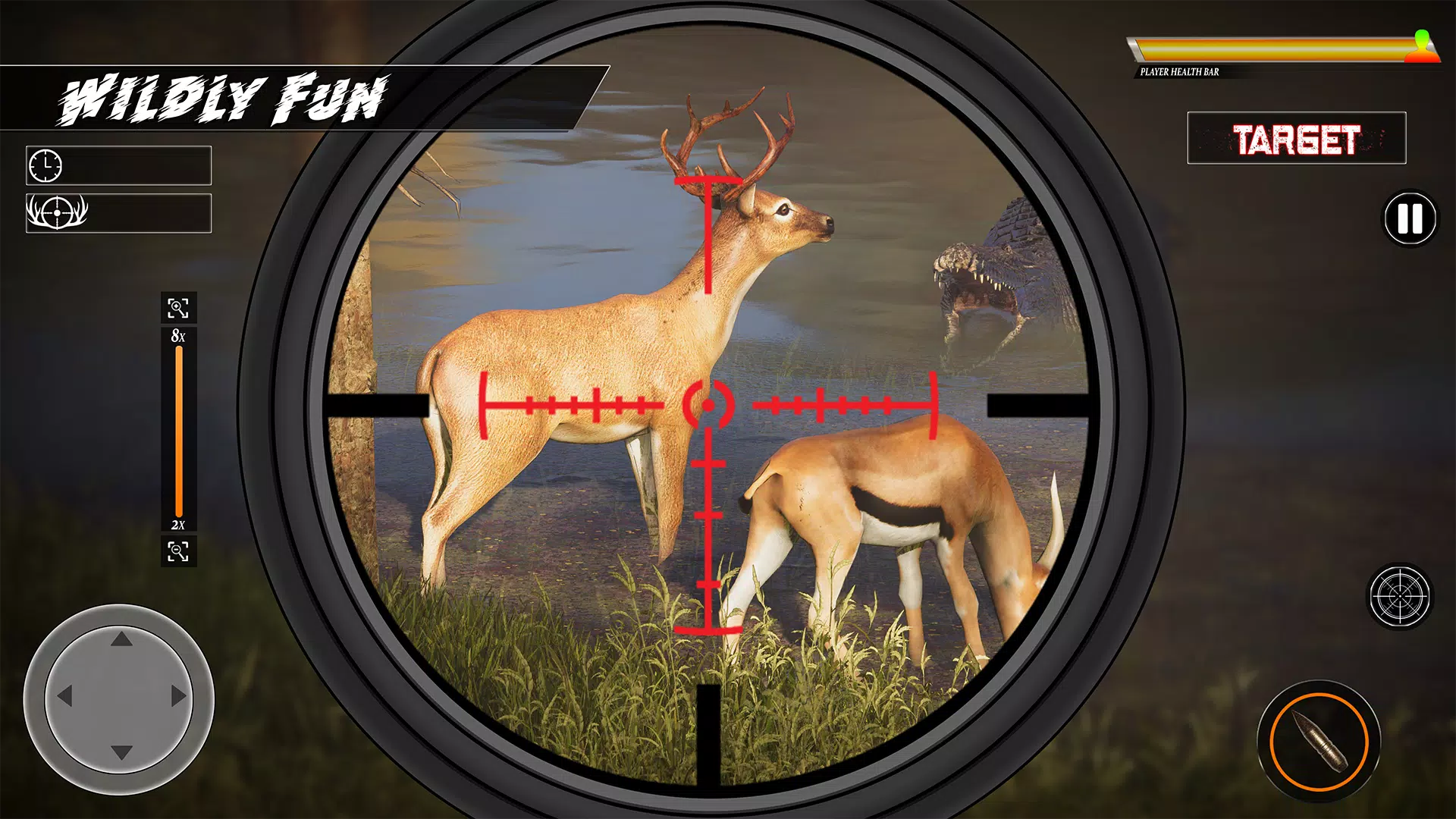
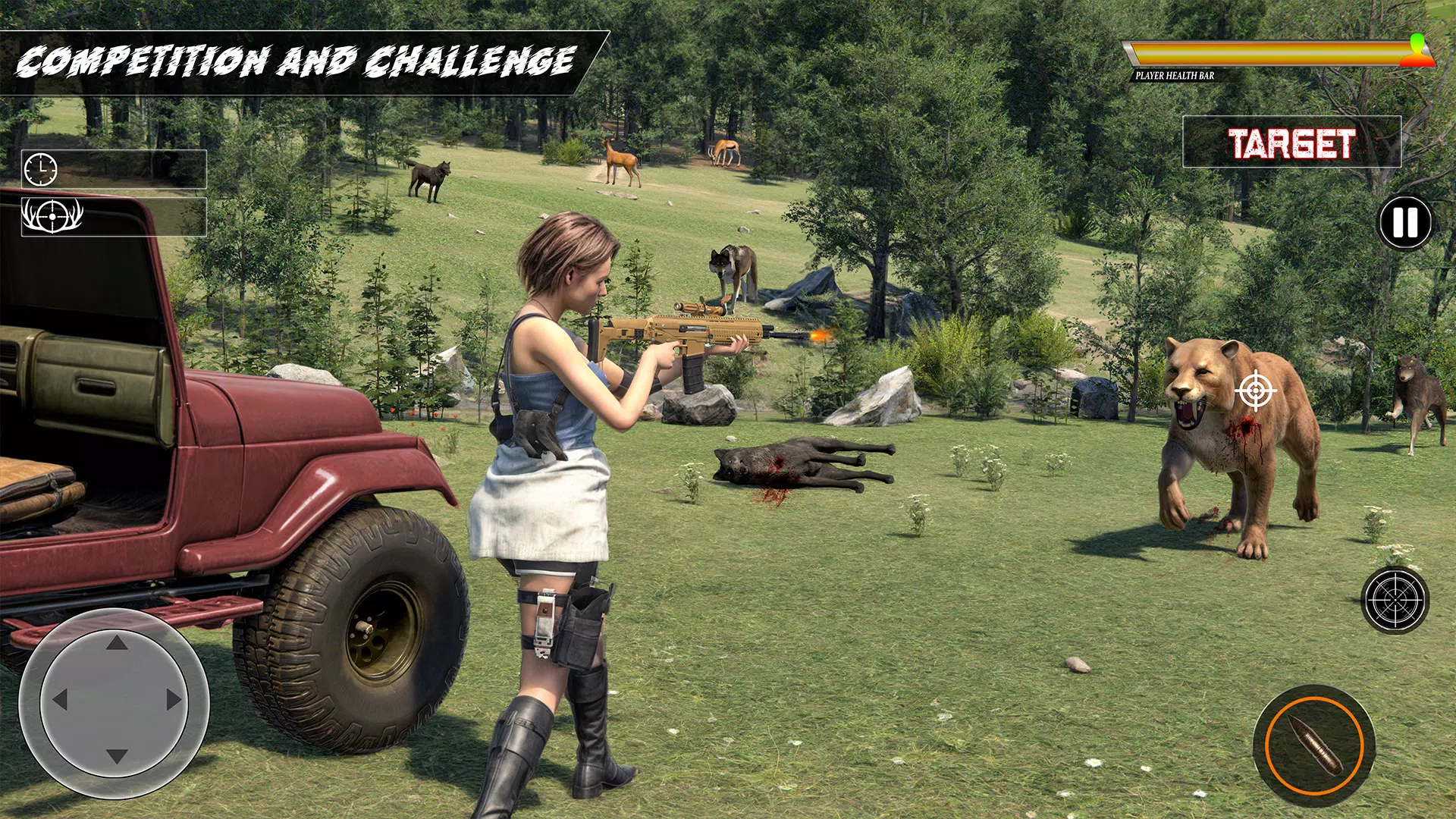
Deer Hunting:Animal Games 3D delivers immersive hunting simulation across open terrains and dense forests, letting players track, aim and harvest wild game with realistic ballistics and stealth mechanics. The game emphasizes skillful tracking, environmental awareness and weapon upgrades for players seeking a hands-on outdoor challenge.
This review examines core systems, controls, performance and progression to help you decide if Deer Hunting:Animal Games 3D fits your playstyle. Expect breakdowns of gameplay mechanics, map variety, tools and beginner tips so you can start hunting effectively and enjoy the environment-driven challenges.
At its core, Deer Hunting:Animal Games 3D blends first-person shooting with survival and tracking mechanics. Players move through varied biomes—woodlands, plains and mountain ranges—using scent masking, wind direction and sound cues to approach animals. Each encounter rewards patience: one well-placed shot is preferable to a barrage of poorly aimed fire.
Tracking starts with observing footprints, broken branches and fresh droppings. A simple HUD shows nearby scent and sound levels, but success depends on using binoculars, scent remover and positioning. Approaching from downwind reduces detection chances, while crouch-walking diminishes noise. When an animal senses you, it may stop to sniff or bolt; anticipating these reactions is part of the skill curve.
Deer Hunting:Animal Games 3D provides a variety of weapons suited to different situations. Bolt-action rifles are accurate for long shots but are slower to reload. Semi-automatic rifles offer faster follow-up shots at the cost of heavier recoil. For a stealthier approach, bows and silencers keep noise low and minimize spooking nearby animals. Upgrades include scopes, improved triggers and sound suppressors that become available as you complete objectives.
Maps in the game are designed to encourage varied tactics. Open plains favor long-range scouting and ambushes, while dense forests require close-quarters stealth and quick target acquisition. Weather and time-of-day cycles affect animal behavior and visibility. Dynamic missions like timed hunts or trophy-specific targets add replay value and push players to master different strategies.
The interface keeps critical information accessible without clutter. Health, ammo and a minimal compass are integrated into the HUD, while a pause menu handles loadouts and map selection. Graphics settings let players balance fidelity with performance; lower-end devices can disable shadows or reduce texture detail to maintain smooth frame rates. Controls are responsive on touchscreens, and the game supports customizable sensitivity for aiming.
Players appreciate Deer Hunting:Animal Games 3D for rewarding patient play and clear progression loops. The combination of realistic animal AI and weather-driven variability keeps encounters fresh. Regular updates add new gear and maps, which extends the lifecycle for those who enjoy methodical, skill-based hunting simulations.
Begin by completing the tutorial and a few low-difficulty missions to unlock basic gear. Experiment with different weapons to find your preferred hunting style, and gradually challenge harder maps as you upgrade equipment. Mastering scent and wind mechanics is the fastest route to consistent success in Deer Hunting:Animal Games 3D.