Blacked House
Version: 0.1
177.30MB
4.5
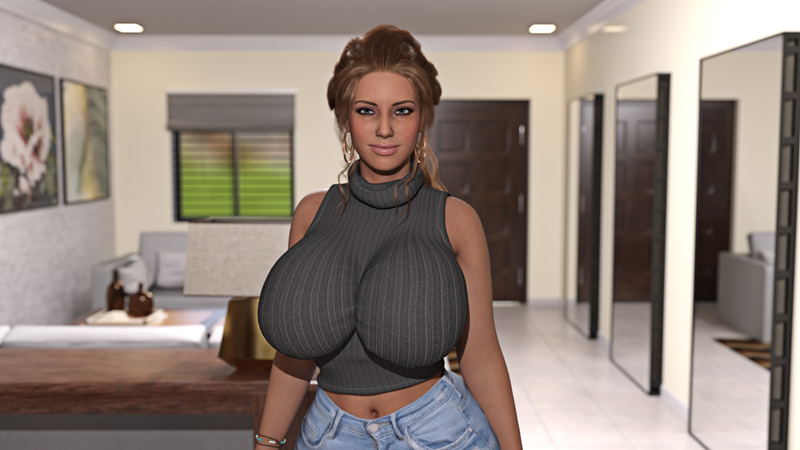
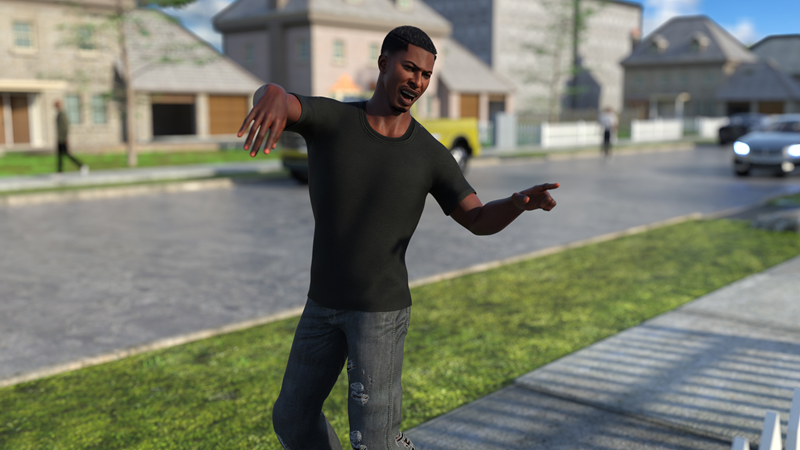
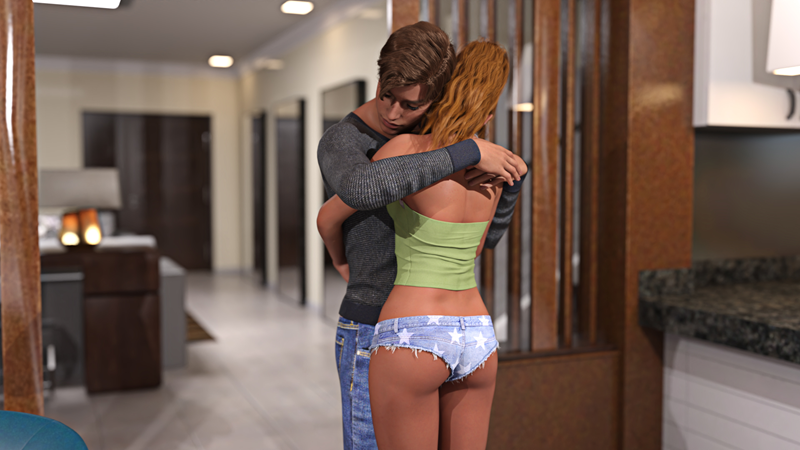
Blacked House is a tense first-person survival game that places players inside a shifting, shadow-filled mansion full of puzzles, hazards, and hidden lore. This title emphasizes stealth, environmental storytelling, and resource management while delivering a deliberately atmospheric challenge for fans of psychological horror and exploration.
From the moment you step through the creaking front door, Blacked House builds unease through lighting, sound, and carefully paced encounters. Visuals lean into stark contrasts between light and shadow to create moments where seeing—or failing to see—matters as much as what you decide to do next. The pacing alternates slow investigative sections with tense sequences that demand quick thinking.
At its core, Blacked House blends stealth, puzzle-solving, and limited-combat systems. Players must balance exploration with caution: hiding, timing movements, and choosing when to run or distract threats are essential. The inventory is deliberately small, which forces meaningful choices about what to carry. Many obstacles are environmental, requiring observation and creative use of tools.
The mansion is divided into thematic wings and a handful of secret spaces. Each area feels distinct: the study rewards observation, the basement tests endurance, and the attic hides crucial backstory. Blacked House uses environmental storytelling—scattered notes, photographs, and remnants of previous occupants—to reveal narrative threads without heavy-handed exposition.
Controls in Blacked House are straightforward and responsive. Movement, crouch, interact, and inventory buttons are mapped for quick access. The HUD is minimal, keeping the screen free from clutter and maintaining immersion. Menus are intuitive, and the in-game map highlights discovered rooms while leaving uncharted spaces obscured.
Optimized for smooth performance on a wide range of devices, the game focuses on lighting effects and atmospheric audio rather than pushing ultra-high polygon counts. This results in consistent frame rates and stable load times while preserving the moody visual style. Audio design—ambient creaks, distant footsteps, and subtle whispers—plays a central role in tension building.
Learning enemy patterns is crucial. In Blacked House, foes are predictable once studied, so patience and reconnaissance pay off. Explore thoroughly but pick battles wisely; retreating and regrouping is often the smarter option than direct confrontation.
Players appreciate Blacked House for its deliberate tension and layered design. The game rewards curiosity: careful observers discover shortcuts, backstory, and safer routes through later sections. Rather than relying on jump scares, it sustains an atmosphere that lingers after play sessions.
Getting started is simple: install the game, adjust brightness and audio settings to suit your device, and consider beginning on an easier difficulty to learn mechanics. Early hours are designed to teach stealth, resource use, and puzzle logic without overwhelming new players.
Blacked House stands out as a focused survival puzzler that combines measured exploration with tight gameplay systems. It’s a suitable pick for players who prefer tension through design and atmosphere rather than constant action, offering rewarding progression for those who invest time in its mysteries.