
Grandma’s House
Version: 0.56
299.90MB
4.3

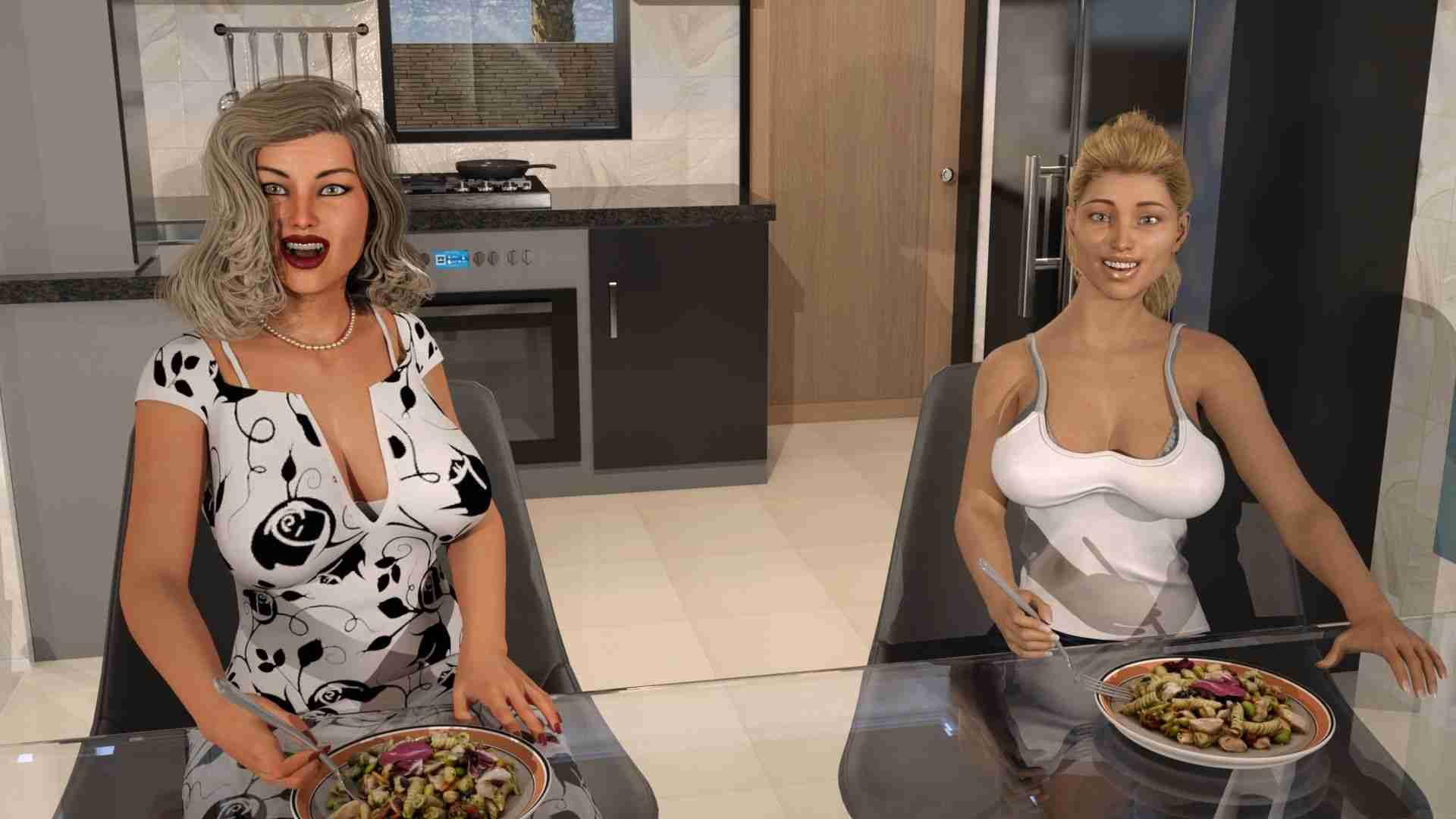

Grandma’s House delivers a tense, atmospheric stealth-puzzle experience where you explore a mysterious home filled with secrets and traps. Players sneak, solve environmental puzzles, and manage scarce resources while avoiding detection. It blends suspenseful exploration with light horror and clever level design for short, engaging sessions.
Grandma’s House places you inside a charming but uncanny residence that slowly reveals its story through room layouts, audio clues, and hidden notes. The core loop is simple: observe, plan, and move cautiously. Levels are short enough for mobile play but layered with optional objectives that reward curiosity and patience.
Gameplay revolves around stealth mechanics and puzzle solving rather than combat. You will hide behind furniture, time movements to avoid patrols, and manipulate switches and objects to create new paths. Encounters are designed to be suspenseful rather than overwhelming, encouraging careful observation and measured risk-taking.
The game threads progression through unlocked rooms and collectible items. Each successful escape or discovery often grants access to a new wing of the house or a gameplay modifier such as a flashlight battery upgrade or a map fragment. Difficulty ramps by introducing new hazards, smarter AI patterns, and environmental puzzles that require combining clues from multiple rooms.
While the house itself is the primary antagonist, several NPC patterns keep tension high. Guardians follow patrol routes, react to noise, and can be distracted by thrown objects. Their AI relies on visibility cones and hearing cues, allowing players to exploit blind spots and timing. Non-hostile characters appear occasionally to provide lore or temporary help.
Each room in Grandma’s House serves as both a puzzle and a storytelling device. Designers use props, lighting, and sound to guide attention; a flickering lamp or a radio snippet often hints at interactable elements. Levels vary from cramped kitchens to sprawling attics, creating a steady variety in navigation and puzzle composition.
The inventory system is intentionally light. You carry a small selection of tools such as keys, batteries, and a note journal that logs clues. Tools are consumable or situational, pushing players to think ahead. A minimal HUD keeps immersion high while offering quick access to essential items.
Grandma’s House offers adjustable difficulty modes, control sensitivity settings, and subtitle options. Visual filters and colorblind-friendly indicators improve accessibility without altering core mechanics. Players can toggle hints and tutorials to suit their familiarity with stealth-puzzle games.
The interface is clean and optimized for touchscreens. Menus are concise and responsive, while on-screen controls remain unobtrusive during exploration. The game performs well on a wide range of devices, with options to lower graphic details for older hardware and maintain steady frame rates.
Atmosphere is a standout feature: ambient sounds, creaking floorboards, and carefully placed silence create tension. The writing is sparse but evocative, letting players piece together backstory through environmental storytelling. This design keeps the focus on discovery and the emotional impact of each reveal.
Replayability comes from branching objectives, secret rooms, and alternate solutions to puzzles. Speedrunners and completionists will find value in mastering routes and uncovering every piece of the house’s backstory. For casual players, short, tense runs make it easy to enjoy a single session without commitment.
Download the game, complete the brief tutorial, and spend the first session exploring without worrying about perfection. Early playthroughs are forgiving and designed to teach core mechanics organically. As you progress, Grandma’s House tightens the challenge and rewards careful deduction.
Whether you favor stealth, puzzles, or atmospheric storytelling, Grandma’s House gives a concise, well-crafted experience that fits mobile play while offering depth for players who want to dig deeper.