
Big Time
Version: 3.6.8
65.00MB
4.4

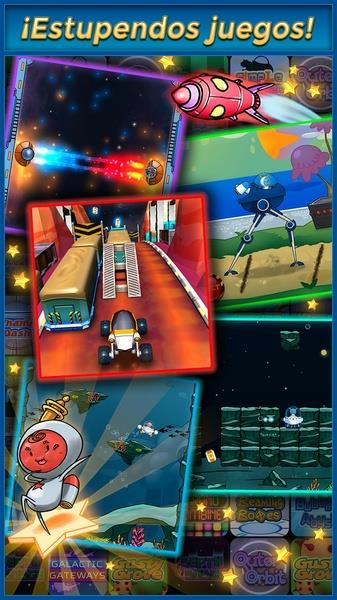
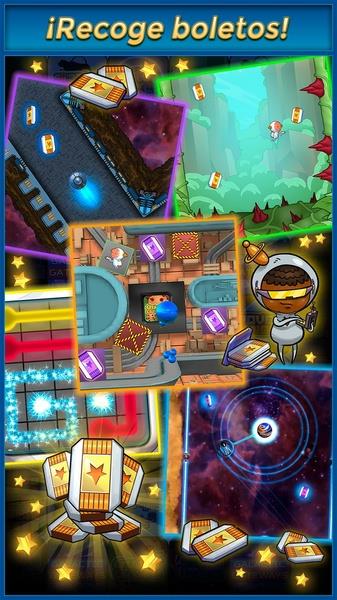


Big Time is a cooperative action RPG that drops players into fast-paced dungeons, time-warp arenas, and loot-driven raids. The game blends fluid combat, character progression, and social play, giving both casual and competitive gamers a platform to level up, customize avatars, and collect rare equipment across varied maps.
From the first run, Big Time emphasizes momentum: quick matches, responsive controls, and a constant stream of rewards. Matches last long enough to feel meaningful but short enough to encourage repeated sessions. Graphically it balances polished stylization with readable UI elements, making gear and stats easy to manage mid-play.
Combat in Big Time combines basic attacks, skill chaining, and dodge mechanics to create satisfying encounters. Each character has a set of abilities that can be upgraded independently. Resource management—health, stamina, and cooldowns—creates tactical decisions during boss encounters. Arena modifiers and environmental hazards keep runs fresh, forcing players to adapt strategy rather than rely on brute force.
A key strength of Big Time is its diverse roster. Characters fall into clear roles: damage dealers, crowd controllers, and support specialists. Each role has a distinct playstyle and gear preferences. Switching heroes changes not only abilities but also how you traverse maps and prioritize targets. The game encourages team composition, where complementary skills amplify effectiveness during tougher encounters.
Leveling in Big Time is driven by experience from runs and special events. Players unlock ability points, equipment slots, and cosmetic options as they progress. Loot drops range from common to exotic, with clear visual and stat indicators to help decision-making. Crafting components allow rerolling or upgrading equipment, so progression feels meaningful without relying solely on randomized drops.
Maps span tight corridors, open arenas, and multi-stage boss arenas. Design focuses on pacing: exploration segments lead to combat-heavy gauntlets, then culminate in set-piece boss battles. Environmental interaction matters—traps, destructible objects, and time-limited platforms add depth to movement and positioning, making map awareness a skill worth developing.
Big Time supports cooperative matches where teamwork matters. Matchmaking balances skill levels and allows friends to queue together. Social features include quick chat commands, party invites, and leaderboards for seasonal challenges. Clans or guild-like groups offer bonus objectives and targetable rewards, fostering longer-term engagement among players who prefer collaborative progression.
The interface is designed for clarity: HUD elements prioritize essential information like health, cooldowns, and objective markers. Controls are responsive across touch and controller schemes, with customizable layouts to suit different players. Performance is generally stable on mid-to-high-end devices, and the settings menu includes quality scalers to maintain smooth frame rates on lower-end hardware.
Big Time’s loop of quick runs, meaningful upgrades, and cooperative encounters creates a compelling retention cycle. Regular events and rotating maps prevent monotony, while cosmetic progression and leaderboard goals satisfy completionists. The social aspect—playing with friends or coordinated teams—is a major driver of replayability.
Getting started is straightforward: download, complete the onboarding tutorial, and jump into casual matches. Initial progression waters down complexity by introducing mechanics gradually. Early missions reward foundational gear and a single power curve to help newcomers feel effective from the outset.
Big Time is well-suited for players who enjoy action-focused RPGs with social elements. With a solid foundation in mechanics, adaptable difficulty, and plenty of content updates, it delivers a modern co-op experience for short sessions or extended play. If you appreciate tight combat, varied maps, and a progression system that rewards experimentation, Big Time is worth exploring.