
My Sushi Story
Version: 4.1.17
159.07MB
4.4
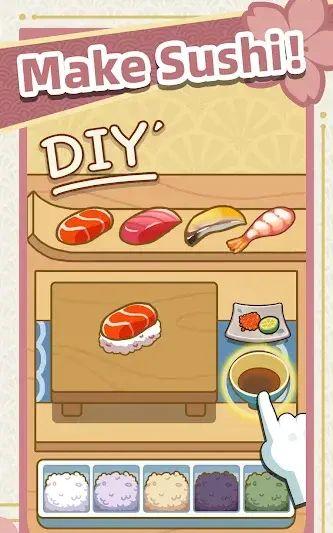
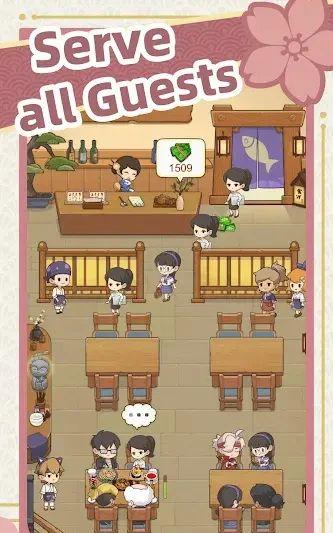
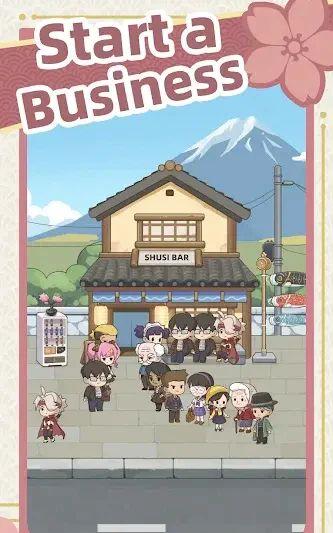
My Sushi Story invites players to run a bustling sushi restaurant, mastering recipes, serving customers, and expanding a seaside eatery into a culinary empire. This approachable time-management game blends quick decision-making with light resource strategy for casual and committed players who enjoy charming visuals and steady progression in a cozy cooking setting.
At its core, My Sushi Story is a level-based management game where speed, order, and timing drive success. Players prepare a variety of dishes, combine ingredients to satisfy customer orders, and juggle multiple stations to keep lines moving. Each level introduces new menu items and customer types, creating a steady curve of challenge that rewards planning and quick reflexes.
Progression in My Sushi Story hinges on earning stars and coins by completing orders within a time limit and reaching daily goals. Stars unlock new chapters and themed locations, while coins pay for ingredient upgrades and décor. The game balances short-term objectives—clear a rush of impatient patrons—with longer-term goals like renovating the restaurant and unlocking special recipes.
Success requires more than tapping the right ingredients. Efficient layouts, prioritized orders, and timely use of boosters make the difference between one-star and three-star completions. Some levels reward chain reactions—preparing several similar dishes in sequence reduces wait times—while others punish mistakes by slowing customer patience. Strategic upgrades to prep stations or ingredient quality can turn a difficult stage into a manageable routine.
My Sushi Story offers a satisfying customization loop. Players can personalize their restaurant with themed decorations, furniture, and color schemes that reflect progress and style. Upgrading kitchen appliances speeds preparation times, and themed sets provide bonuses for matching décor with menu items. These choices are visual and functional, giving players meaningful decisions about how to invest their earnings.
Customers in My Sushi Story are varied and expressive, each with distinct patience levels and tipping tendencies. Special characters introduce mini-challenges—VIPs expect flawless service, while families place large group orders. Occasional visiting guests bring limited-time rewards, encouraging players to revisit levels and experiment with different tactics to earn extra bonuses.
The game uses bright, stylized graphics that emphasize clarity and charm. Ingredient icons are easy to distinguish at a glance, while animations highlight successful combos and critical moments. A light, upbeat soundtrack complements the pace without overwhelming gameplay, and sound cues signal incoming orders or urgent tasks, aiding players who rely on audio feedback.
Controls are intentionally simple: tap to prepare, swipe to arrange, and drag to upgrade. This accessibility makes My Sushi Story suitable for touchscreen play sessions of varying lengths. The title is optimized for smooth performance on mid-range devices, though heavy visual effects can be reduced in settings for older phones. Load times are short, enabling frequent short bursts of play.
Regular events and seasonal challenges extend the game’s lifespan by introducing new recipes, special guests, and exclusive décor. Leaderboards and daily missions provide ongoing goals and friendly competition. Replay value comes from mastering difficult stages and refining strategies to collect all stars and complete themed collections.
My Sushi Story blends approachable mechanics with thoughtful progression, making it engaging for players who appreciate steady improvement and charming presentation. The combination of strategic multitasking, incremental customization, and varied level design creates a comfortable yet rewarding experience that encourages repeat play and experimentation.