
The Legend of the Goblins
Version: 1.0
341.82MB
4
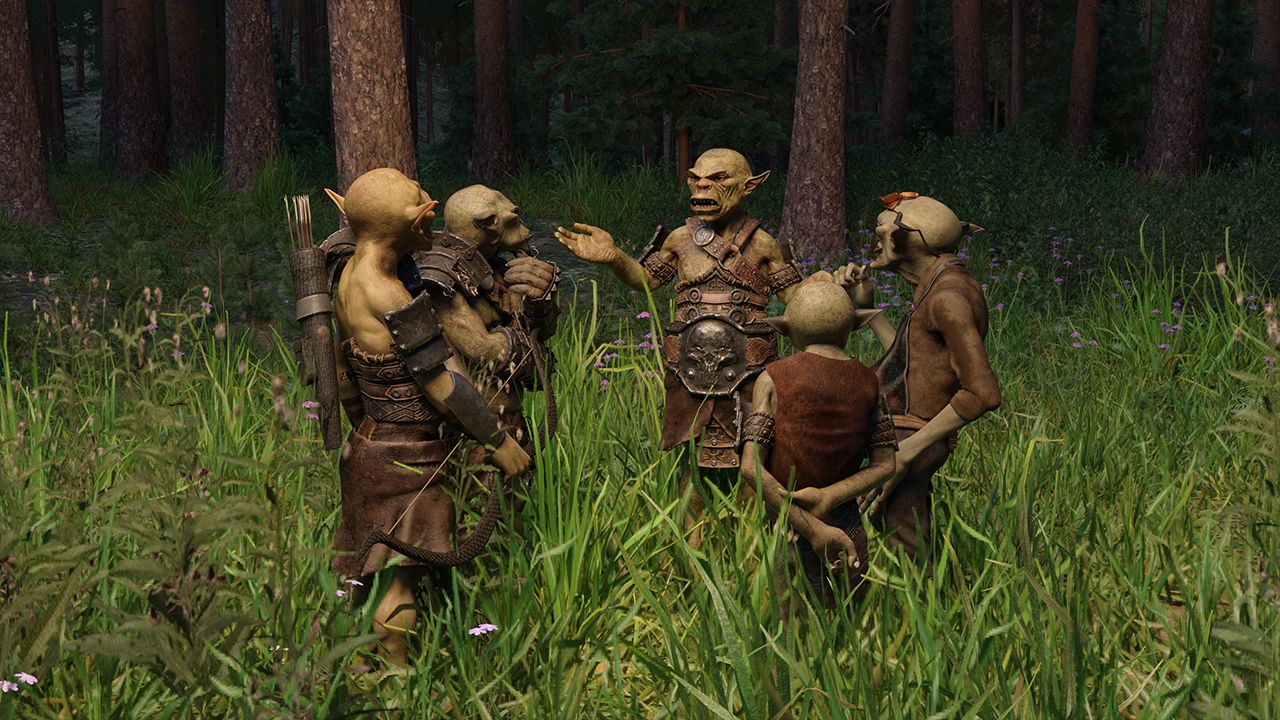
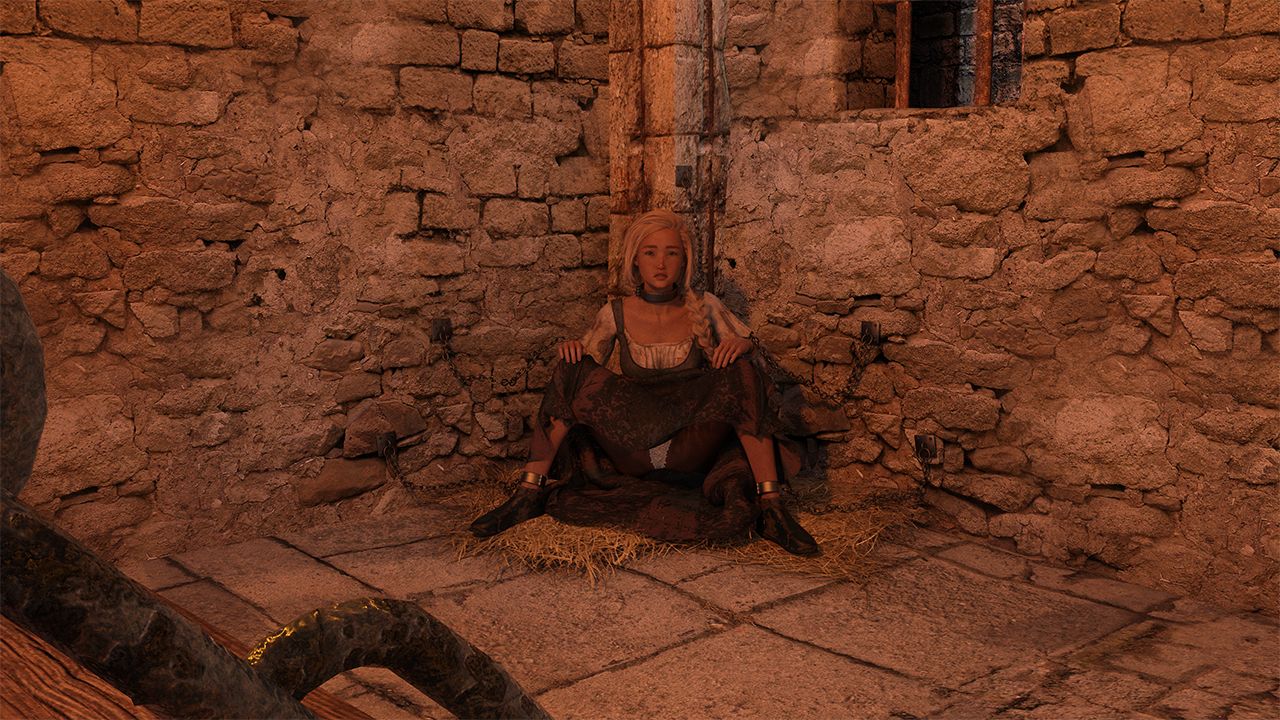

The Legend of the Goblins is a dark fantasy single-player experience that places players in charge of rebuilding a broken goblin colony after a crushing defeat; The Legend of the Goblins frames that survival journey with a mature, morally complex storyline aimed at adult audiences, while avoiding explicit or pornographic material. This introduction summarizes the game’s core systems, visual tone, control scheme and accessibility options so you can judge whether its grim narrative and strategic gameplay match your interests.
The game focuses on colony recovery and survival: resource gathering, shelter construction, supply chains and defensive planning shape each play session. Narrative scenes and event text explore disturbing and ethically ambiguous situations without graphic depiction, asking players to make difficult choices that affect community morale, available resources and long-term prospects. Challenges come from environmental hazards, rival groups and internal scarcity rather than combat-only encounters, encouraging a blend of tactical decisions and longer-term planning. The title emphasizes player-driven progression through upgrades, skill development and new building types that expand options as the colony grows.
Gameplay blends base-building with survival management. Players assign workers to gather food, craft tools, harvest materials and maintain structures while balancing heat, sanitation and morale meters that influence productivity. Encounters are presented as narrative events or tactical skirmishes with automatically managed combat; success often depends on preparation, resource allocation and the decisions you make during story moments. Crafting is modular: components combine into improved facilities and implements, and research-style unlocks allow you to tailor your colony’s focus toward defense, efficient production or social stability. Randomized events and optional objectives encourage adaptation rather than rote strategies.
Designed for touch on Android devices, The Legend of the Goblins uses tap-and-drag gestures for placing buildings and assigning tasks, context-sensitive menus for unit management and clear iconography for meters and alerts. The interface scales to different screen sizes and supports both portrait and landscape orientations where applicable, while tooltips and a tutorial sequence introduce mechanics at a measured pace. Controls are intended to be intuitive for new players yet provide shortcuts and batch commands for seasoned users who prefer micromanagement of their colony.
Progression is driven by curated campaign chapters and an open-ended recovery mode. Completing story objectives unlocks new building blueprints, passive bonuses and narrative branches that change future events. Multiple difficulty levels and optional challenge modifiers alter resource availability, event frequency and enemy behavior, creating varied playthroughs. The combination of branching choices, procedural incidents and different strategic paths ensures that subsequent runs offer fresh dilemmas and new tactical permutations.
The game adopts a moody, atmospheric visual approach with stylized character art and detailed environmental backdrops that reinforce the bleak fantasy setting without sensationalism. Levels are arranged as campaign zones and smaller mission areas that progressively introduce new hazards and mechanics; many zones feature day/night cycles and weather effects that influence resource yields and encounter types. Sound design complements the visuals with ambient tracks and discrete audio cues that signal changing conditions or imminent threats.
Players can customize aspects of their colony through building placement, naming units, and selecting which technologies to prioritize, allowing distinct colony identities across playthroughs. An in-game codex records discovered lore, mechanics and unlocked recipes so you can reference progress without interrupting gameplay. Performance options let you adjust graphical detail to preserve battery life or increase visual fidelity, and save slots permit multiple campaigns in parallel for experimentation.
The Legend of the Goblins includes adjustable difficulty settings, text size options and a readability-first UI to support different players, along with content warnings for its mature themes presented before key narrative sections. The game runs offline after initial installation, so you can play without a persistent internet connection; periodic updates may require connectivity, but core gameplay remains available when offline. Overall, the title is intended for an adult audience seeking a thoughtful, strategy-forward dark fantasy experience rather than explicit material.