ProjectRun
Version: 0.1
146.12MB
4.5


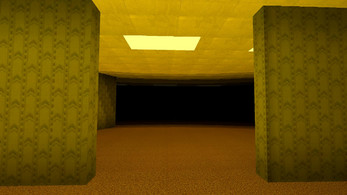
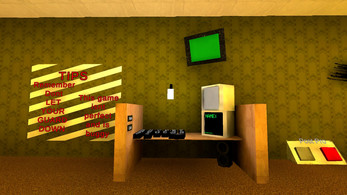
ProjectRun places you in tense, movement-driven multiplayer encounters set inside a labyrinthine backrooms environment where survival depends on running, hiding and coordinated play. In ProjectRun players use momentum-based, Gorilla Tag-style movement to traverse maze-like levels while avoiding relentless monsters; the emphasis is on physics-influenced navigation, split-second decisions and teamwork rather than complex menus or long-term progression systems.
The core gameplay loop is straightforward and gripping: enter a map, split up or stick together with your group, locate one of several exits and escape before a monster closes in. Movement is at the center of the design—momentum, arc and momentum transfer matter when sprinting around corners, vaulting over low obstacles or using the environment to break line of sight. Encounters reward stealth, timing and situational awareness rather than brute force. Each of the six handcrafted areas has a distinct layout and environmental identity, so learning patrol routes and chokepoints becomes an essential part of improving as a player.
Controls in ProjectRun are designed to feel immediate and tactile: the traversal model favors rhythmic, anticipatory inputs that translate into believable in-game motion. On touch devices the movement gestures emphasize push-and-release motion and directional control to simulate momentum-driven steps; camera responsiveness and turn speed affect how well players can kite enemies or thread narrow corridors. Developers have prioritized a control feel that scales across devices so the same movement principles apply whether you’re making a quick evasive turn or sprinting down a wide hallway.
Levels are built as interconnected mazes with multiple paths, dead ends and vertical elements that create tense encounters and opportunities for improvisation. Each of the six levels introduces a unique monster whose behavior and hunt patterns are distinct—some patrol set routes while others react more directly to sound and player proximity. These behavioral differences produce varied threat models and force teams to adapt strategies: what works in a long, open corridor will not work in a tight, multi-level storage area. Environmental audio cues and subtle lighting changes help telegraph danger and increase immersion.
Rather than relying on unlock trees, ProjectRun’s progression is emergent: players improve by mastering movement, map knowledge and cooperative tactics. Sessions are intentionally high-tension and short-form, encouraging repeated plays where new approaches and team roles can be tested. The combination of distinct monster behaviors, handcrafted level layouts and player decision-making keeps each match feeling fresh. Challenge can come from tighter time windows to find exits, learning how to manipulate monster patterns, or intentionally splitting the team to create diversion strategies.
ProjectRun focuses on a clear, streamlined experience with options that help adapt play to different devices and player preferences. Basic settings let users adjust audio levels, visual clarity and camera responsiveness so the game can be tuned for comfort and readability. Attention to sound design, contrast and intuitive control feedback supports players who need clearer cues; level geometry and lighting are balanced so core risks are visible without reducing atmosphere. The interface avoids clutter, keeping match entry and in-game information minimal so players can concentrate on navigation and survival.
This title is designed around multiplayer matches and the social pressure of team-based escape scenarios; offline or single-player options are limited compared to the full group experience and may not capture the same tension that emerges when players must coordinate in real time. Solo players can still explore maps to learn layouts and practice movement, but the primary experience of ProjectRun remains as a cooperative, competitive survival challenge where coordination and quick thinking determine success.
ProjectRun offers a compact but complete play experience that rewards practice and strategic thinking. With six distinct arenas, momentum-driven movement and varied enemy encounters, it’s aimed at players who enjoy physical-feeling traversal, emergent teamwork and short, replayable horror sessions. The project is presented as mostly finished while remaining open to refinements over time, so what you get is an immediately playable, tension-focused multiplayer escape experience.




Lust Haven Island! Forbidden Shores
4.2596.87MB

Happy Birthday SEXpecial
4.5817.90MB

Komi Can’t Resist
4.51103.91MB

Beta Friends Together Joi
4.42781.96MB

The Lewdest House
4.5422.00MB

Hive Rebirth
4.080.03MB

Don't Breathe or They Might Hear ( 0.5.1)
4.0560.00MB

Agent Sherine: Dancing Fox
4.31745.38MB