Changr (0.04 Public Release)
Version: 0.01
603.20MB
4.5
Changr (0.04 Public Release) invites you into an experimental, choice-driven narrative set around a workplace social app that behaves in unexpected ways; this early build focuses on decision-making, relationship dynamics and stylized transformation mechanics presented without explicit or graphic detail. The first release places emphasis on branching scenes, timed encounters and stat-driven outcomes, giving mature players a neutral, story-forward experience that prioritizes consequences over sensational description. This introduction outlines the gameplay systems, control model, progression and accessibility options you can expect from the current public build.
Gameplay centers on interactive conversations and situational choices that branch the story in meaningful ways. Each day cycle contains encounters where dialogue options, response timing and inventory choices steer character relationships and narrative paths. Transformation mechanics influence both visuals and story: changes in size, proportions and outfit options are depicted in a stylized, narrative-safe manner and can open or close particular branches. Encounters may be timed to test prioritization and presence, and some scenes are repeatable so you can experiment with different strategies and observe how cumulative stat shifts alter later outcomes.
The interface is optimized for touch devices with simple, readable layouts for phones and tablets. Tap-to-advance text and clearly labeled choice buttons let you move through scenes comfortably with one hand. Choice previews help you anticipate the likely tone of responses, while an initial, brief tutorial introduces the basic interaction model and the meaning of key stats. Menus provide access to character profiles, inventory, progression screens and save slots, and animated sequences include pause and skip options. Audio controls are available in-game so you can tailor music and voice levels without leaving a scene.
Progress builds organically through relationships, stat investments and unlocked scenes. Spending time on conversations or selecting certain equipment alters attributes that gate future opportunities, and long-term choices compound to affect romance and friendship arcs. Multiple endings and alternate event outcomes reward exploration: choices that seem minor early on can produce different story branches and distinct visual transformation results. Save slots enable parallel playthroughs so you can preserve experimental runs while pursuing alternate routes, encouraging methodical replay rather than trial-and-error frustration.
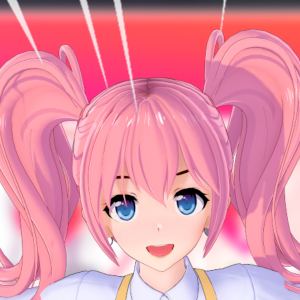
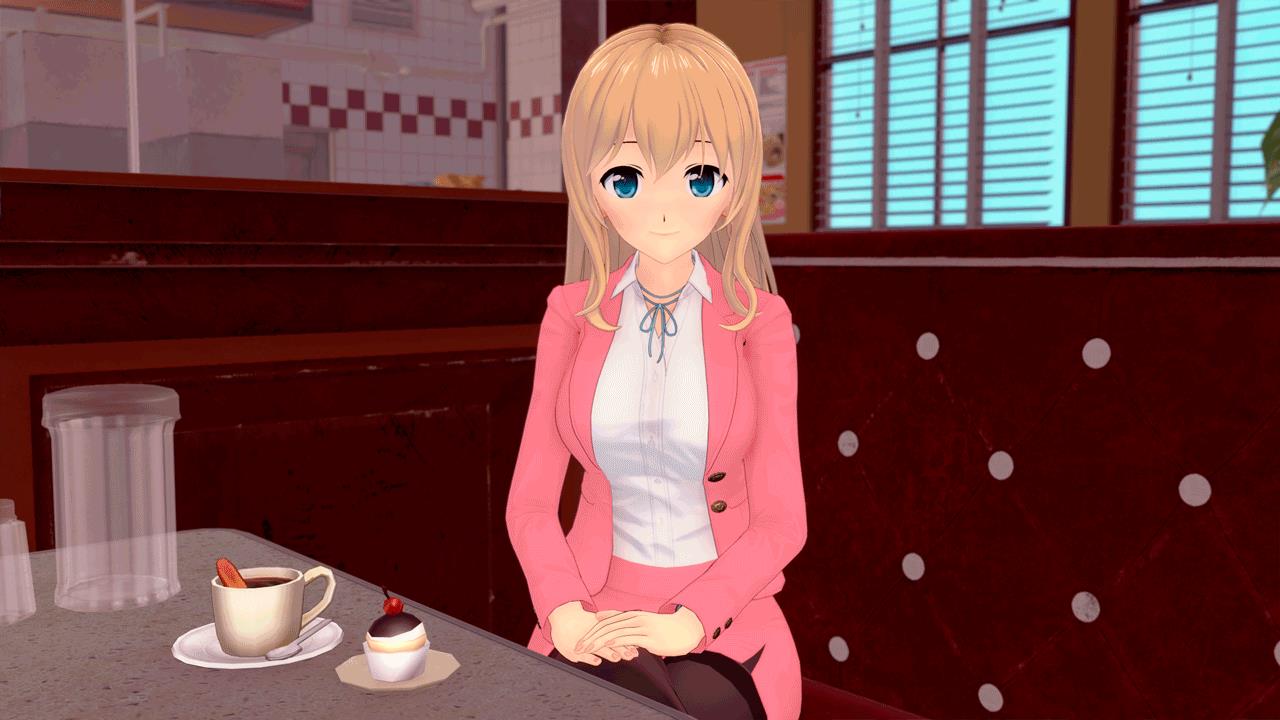
The game's aesthetic blends hand-drawn character art with small animated loops and layered backgrounds to convey mood without resorting to graphic detail. Customization focuses on outfits, hairstyles and other visual variations tied to the transformation mechanics, allowing you to shape a character's appearance over time while keeping the presentation tasteful and stylized. Expression work and subtle motion help communicate emotional shifts and situational context, and clothing options are designed to reflect narrative choices rather than serve as sensational elements.
Instead of traditional levels, the story is organized into chapter-like daily cycles and key events that advance the main plot. Challenge emerges from time and resource management: each day has limited opportunities, and deciding which interactions or items to prioritize can unlock or foreclose important scenes. Pacing shifts between quieter daytime segments for character development and higher-stakes evening events that test the consequences of earlier decisions. This structure rewards players who balance short-term gains with long-term relationship-building.
Audio design includes background music, environmental effects and selective voiced lines that enhance immersion while keeping the narrative readable. Accessibility options let you adjust text size, enable subtitles and toggle animations to suit different preferences. The build supports offline play after installation so the single-player story can be experienced without a constant internet connection, and UI elements scale for a range of screen sizes to improve comfort for prolonged reading and interaction sessions.
This early public release (0.04) is an active, evolving project and the developer is collecting player feedback to inform future updates. Planned improvements include expanded chapters, additional characters and a broader variety of visual change options and outfits that remain consistent with the game's narrative tone. The developer will prioritize community-sourced bug reports and suggestions while keeping the core experience single-player and offline. You can expect steady iteration on content and polish as the project moves beyond this initial build of Changr (0.04 Public Release).
Installation is lightweight and the interface aims for clarity to reduce friction for new players. Recommended for devices with sufficient memory for animated sequences, the build still runs comfortably on most modern phones and tablets; performance options are included for lower-end hardware. For questions, bug reports or to share play impressions, the developer provides channels for feedback and will incorporate community input into future updates. Whether you use it to explore narrative possibilities or to test different decision strategies, Changr (0.04 Public Release) offers a discreet, experimental single-player experience focused on choices, consequences and character-driven storytelling.