
Fantasy Gangbang
Version: 0.3
63.00MB
4

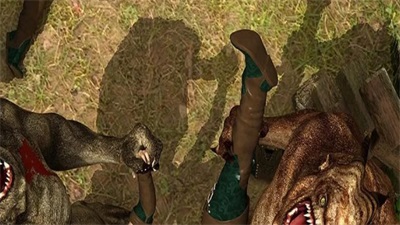
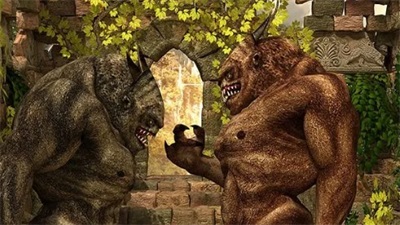
Fantasy Gangbang presents a mobile single-player RPG experience that emphasizes mature storytelling, tactical encounters, and meaningful choices rather than explicit content. In this editor introduction we describe how Fantasy Gangbang balances character-driven narrative, strategic combat, and progression systems to create a focused, replayable adventure for players who appreciate thoughtful decision-making and clear mechanics. The presentation is aimed at readers looking for an overview of gameplay systems, visual style, and user-friendly features without sensational wording.
At its heart, Fantasy Gangbang centers on decision-making and party management across short explorations and discrete tactical clashes. Players assemble a small team of distinct characters and approach each scenario through stealth, negotiation, or direct confrontation depending on play style and available resources. Combat is turn-based with an emphasis on positioning, timing, and ability synergy: terrain and facing matter, support abilities can alter engagement outcomes, and retreat or regroup options remain viable tactics. Encounters are preceded by concise narrative context so choices carry moral and narrative weight without graphic detail.
The control scheme is tailored for touchscreens with an intuitive tap-and-drag interaction model for exploration and straightforward touch targeting for combat. Context-sensitive buttons reveal special actions only when relevant, reducing interface clutter, and an optional virtual joystick provides continuous movement for players who prefer that approach. Controls include adjustable sensitivity, button layout presets, and a simplified input mode that reduces action complexity for newcomers while keeping advanced options available for experienced players.
Progression in Fantasy Gangbang is driven by character development, equipment upgrades, and branching skill trees. Characters earn experience through missions and story milestones, unlocking new abilities that support specialization or hybrid builds. Equipment and consumables are discoverable in levels or crafted from gathered materials, producing meaningful short-term rewards as well as long-term goals for optimization. The progression curve is designed so early challenges teach mechanics while later chapters demand strategic planning and refined builds.
The visual direction favors a stylized fantasy aesthetic that supports mature themes without explicit imagery. Character portraits, environment art, and UI elements share an illustrative look that emphasizes mood and readability. Lighting, color palettes, and compositional choices shift with narrative tone to make each region feel distinct while ensuring tactical information remains clear during combat. Visual effects are used sparingly to highlight important cues and maintain performance on a wide range of devices.
Levels are organized into chapters and scenarios that combine short explorable segments with focused tactical encounters. Each chapter contains optional side objectives and hidden rewards that encourage exploration and experimentation, and quick chapter select along with clear objective tracking make replaying content to pursue alternate routes or missed items straightforward. Pacing alternates between narrative beats and gameplay-focused missions so story and tactics remain balanced throughout a playthrough.
Character and party customization is flexible and meaningful without being gratuitous. Players can adjust loadouts, choose talent specializations, and fine-tune appearance options that remain tasteful and non-explicit. Cosmetic rewards unlock through play and optional challenges, giving incentives to explore and complete side content. Customization choices affect combat roles and synergies as well as how a party appears on the world map, allowing players to build setups that reflect both preferred tactics and a consistent visual identity.
Replayability comes from branching narratives, multiple viable builds, and optional content that encourages different approaches. Choices made during pivotal moments alter subsequent encounters and character interactions, making subsequent playthroughs feel distinct. Variable difficulty settings and a range of specialization paths invite players to revisit chapters with new strategies, and achievement-style goals reward experimentation and mastery over the game systems.
The user interface prioritizes clarity with readable fonts, contrast options, and scalable UI elements that support different screen sizes and visual needs. An optional tutorial introduces core mechanics gradually, while an auto-save system and multiple save slots protect progress. Accessibility options include colorblind-friendly palettes, adjustable text size, and input simplification to accommodate a broad range of players without reducing the depth of tactical systems.
Fantasy Gangbang is fully playable offline so missions and story content remain accessible without a persistent connection, and local save files keep progress secure. Challenge systems add optional layers of difficulty through time-limited modifiers, scenario constraints, and optional mission objectives, encouraging players to experiment with different team compositions. These mechanics are designed to deepen single-player engagement and extend the longevity of the experience while keeping the core game self-contained and approachable.




Escape from Freaky Cult
4.2172.75MB

Anime Waifu Creator 2D | by. Ecchi Games
4.225.00MB

Love, Lust and the Restless
4.1213.88MB

Caring for my new cat...Femboy?
4.0148.06MB

Wife Life : Detective Demo
4.2119.20MB

Project T.H.R.U.S.T. Public 0.8.0g
4.31043.09MB

Crown of Desire
4.0710.37MB

Faded Bonds
4.2204.00MB