New Eden
Version: 1.0
79.00MB
4.4
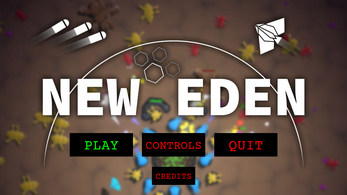
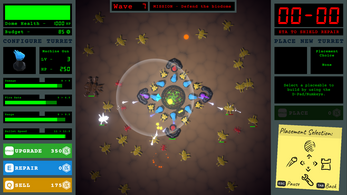
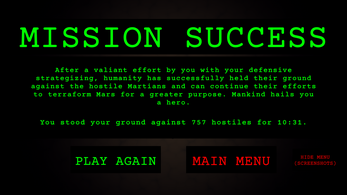
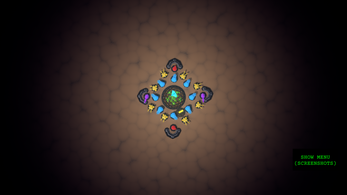
New Eden is a sci-fi strategy game that puts you in charge of a colony at the frontier of known space. The title combines base-building, resource management, tactical combat, and exploration into a single experience that is approachable for new commanders yet deep enough for seasoned strategists. Players expand settlements, design fleets, and make diplomatic choices that shape a living, evolving universe.
In New Eden you manage both the big picture and the fine detail: build efficient production chains and plan expansion on the star map, then switch to tactical engagements when fleets collide. The campaign and skirmish structure pace progression so that newcomers are not overwhelmed, while optional higher-difficulty scenarios reward careful planning and adaptation. Exploration is encouraged—scouting reveals resources and hazards that influence long-term strategy.
The core loop alternates exploration and combat. Resource nodes drive construction queues and research priorities, while movement rules and line-of-sight affect how engagements unfold on the tactical field. Combat supports grid-based and free-form modes depending on settings, and modular ship components let you tweak performance: select engines, armor, weapons and electronic systems to fit roles like screening frigates, long-range artillery, or support corvettes. Encounters emphasize positioning, support fire, and the timing of abilities rather than pure numerical advantage.
Progression in New Eden is delivered through research trees, territorial control and reputation. Research unlocks new hull classes and component upgrades, while investing in industry improves production throughput and reduces build times. Reputation with neighboring factions determines trade opportunities and diplomatic options; choices made early can open new routes or create long-term rivalries. The tech tree is designed to offer multiple viable paths so different playstyles remain competitive across a single campaign.
Customization is a central feature: ship modules, hull variants and cosmetic skins allow distinct fleet identities. Base layouts matter too—careful placement of production, storage and defensive structures reduces transit time and improves output efficiency. Visually, New Eden balances readable UI elements with atmospheric art: starfields, nebulae and station ruins provide a sense of scale while clear icons and animated feedback keep information accessible during intense moments.
Menus and controls are optimized for touch but scale well to larger screens. Camera controls, pinch-to-zoom and contextual selection are responsive and configurable, and key interface elements like production queues and active missions are surfaced for quick management. Performance targets mid-range devices with options to lower graphical fidelity during large battles; accessibility features include contextual tooltips, adjustable text sizes and simple control remapping to suit different player needs.
The game world is made up of varied star systems, each with unique hazards and rewards. Nebulae, asteroid belts and derelict stations create tactical and strategic variety: nebulae can conceal movement, belts host mineral-rich nodes, and abandoned outposts offer salvage opportunities. Mission types include exploration, defense, assault and timed objectives, with difficulty scaling and optional modifiers that alter enemy behavior or resource availability to keep encounters fresh.
New Eden supports optional online play for cooperative scenarios and faction-versus-faction matches when network conditions allow. Social features are oriented toward coordination—forming alliances, arranging trade, and cooperative planning—while matchmaking aims to pair players with comparable progression. Online play is not required to enjoy the single-player campaign, which remains fully playable offline.
The first hours are guided by step-by-step tutorials that introduce base construction, fleet management and the tech tree. Clear feedback—damage indicators, production timers and contextual prompts—reduces micromanagement friction and helps players learn systems organically. Replay value comes from faction diversity, modular builds, randomized resource placement and branching diplomatic outcomes, which combine to create different strategic challenges on subsequent playthroughs.
Installation from the official store includes core assets with an optional high-resolution pack to enhance visuals. Expect an initial download and verify storage permissions to ensure smooth updates. The app is tuned for steady performance on mid-range devices, and graphics settings can be reduced during large-scale battles to maintain frame rate. Regular updates refine balance and add content, while saved games remain compatible across supported updates.