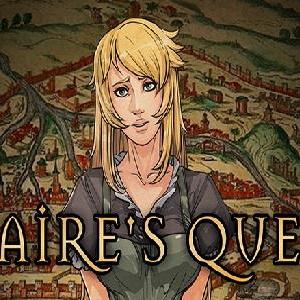
A Tale of Unintended Fate
Version: 1.2
1710.00MB
4.4

A Tale of Unintended Fate blends narrative-driven exploration with tactical combat and light puzzle solving, placing players in a shifting world shaped by their choices. This indie RPG emphasizes character relationships, branching quests, and emergent encounters, delivering a thoughtful pace with strategic depth and surprising moments across varied biomes.
A Tale of Unintended Fate separates itself from run-of-the-mill RPGs by pairing a reactive story engine with modular combat encounters. Decisions ripple outward: a seemingly small conversation can alter available missions, unlock new allies, or change the layout of a later map. The result is a layered experience where curiosity is rewarded and repetition is minimized.
Players explore hubs, take contracts, and traverse handcrafted regions filled with randomized events. Combat mixes turn-based tactics and positional advantages: cover, elevation, and elemental interactions matter. Resource management is light but meaningful, with supplies and reputation acting as soft gates that shape progression without grinding.
Character growth in A Tale of Unintended Fate is flexible. Each hero gains talents tied to playstyle rather than fixed class roles, letting you build hybrid teams. Relationships affect both narrative beats and mechanical bonuses — companions may unlock combo attacks or refuse missions based on prior choices, adding weight to interactions.
Maps are a mix of handcrafted and procedurally varied zones. Key locations host story events, while side routes contain emergent challenges that change with each playthrough. Fog of war, hidden paths, and environmental puzzles encourage exploration, and multiple endings reward players who experiment with different strategies.
The interface focuses on clarity and quick decision-making. Combat menus are context-sensitive, and the HUD scales to different screen sizes. Visuals favor a painterly aesthetic with readable icons and deliberate color choices to highlight threats and objectives. Performance is stable on mid-range devices, though enabling higher-quality shadows and effects improves immersion on better hardware.
Several interconnected systems define the experience: a reputation mechanic that opens or closes questlines, a weather system that alters combat conditions, and an inventory economy that nudges players toward strategic choices rather than hoarding. These systems work together to create moments of tension and reward smart planning.
A Tale of Unintended Fate rewards thoughtful play. Patience and curiosity open unique story branches, while smart tactical choices make fights feel satisfying rather than repetitive. The game balances narrative depth with accessible mechanics, making it suitable for players who enjoy both story and strategy.
Replayability comes from the game's branching structure and the interplay of its systems. Every choice nudges the story in new directions, and the modular design of combat encounters prevents the late game from becoming stale. Players who enjoy discovery and consequence-driven narratives will find plenty to dig into.
New players should begin with the recommended difficulty, focus on a small core party, and prioritize unlocking a couple of talent synergies before expanding. Regularly review companion affinities and revisit hubs after major story beats to catch newly available quests. With a steady approach, A Tale of Unintended Fate unfolds into a rich, replayable journey.