Magical Girl Opal
Version: er.1.01Steam
1792.00MB
4.5
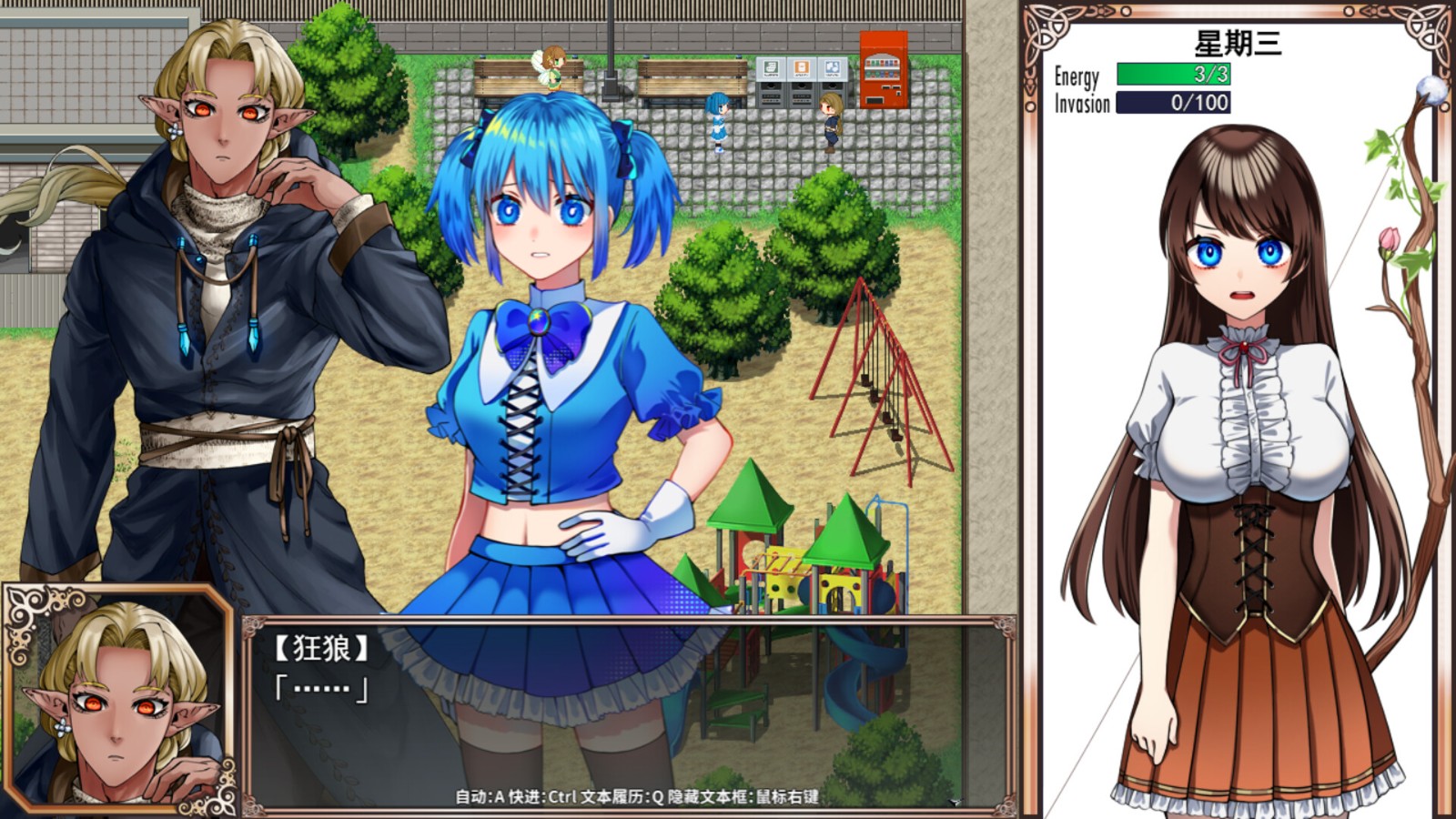
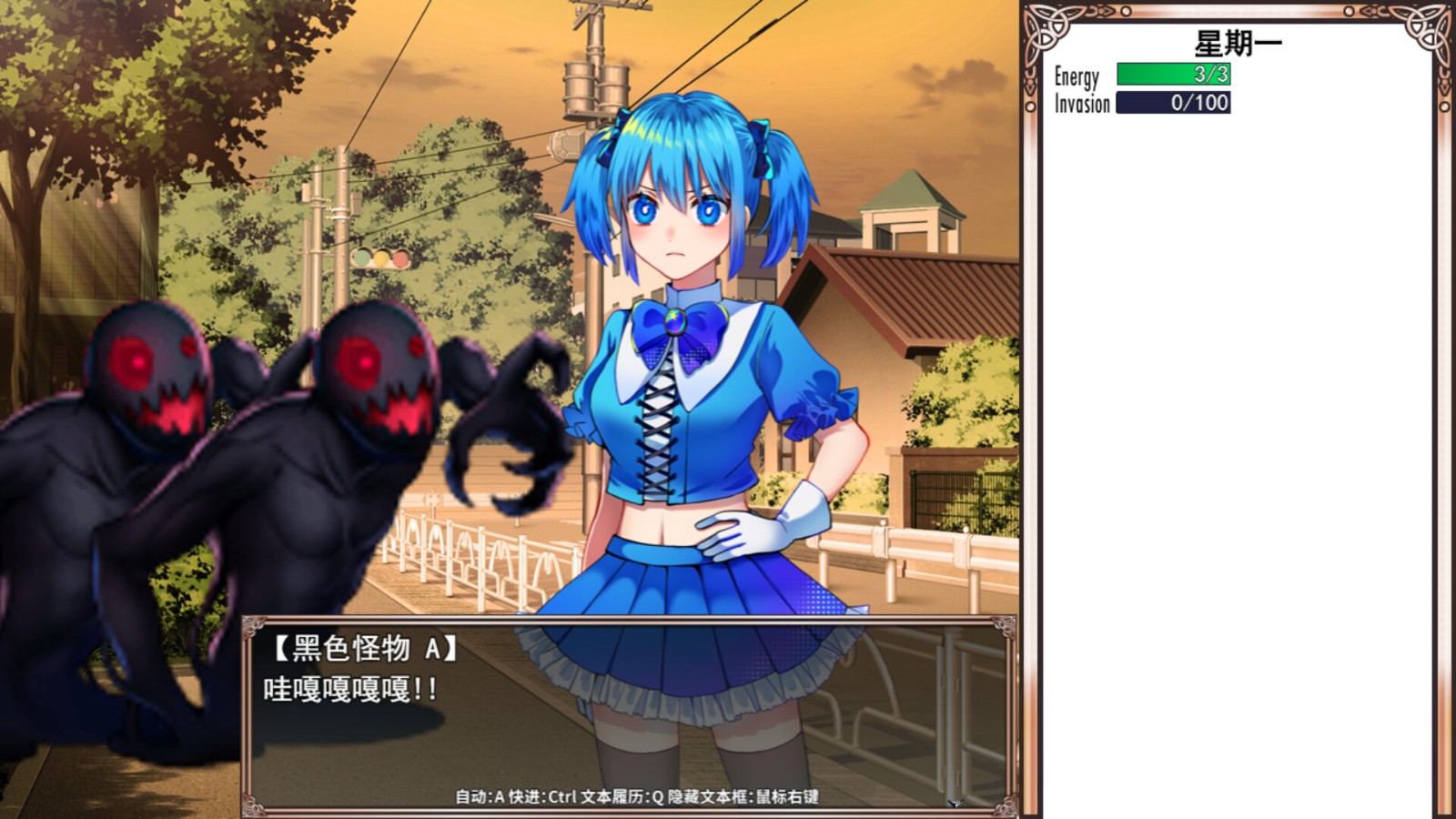
Magical Girl Opal puts you in the shoes of Hikari Saitou, a university student who unexpectedly gains magical abilities and must defend Mikamai Town against an encroaching organization known as Cynthia. Magical Girl Opal blends exploration, turn-based combat and a narrative that responds to both success and failure in battle; player choices and performance influence story branches, town conditions and character outcomes. The game presents mature themes and narrative consequences that are intended for an adult audience, and it combines daily-life simulation with tactical encounters and world-state management for a layered role-playing experience.
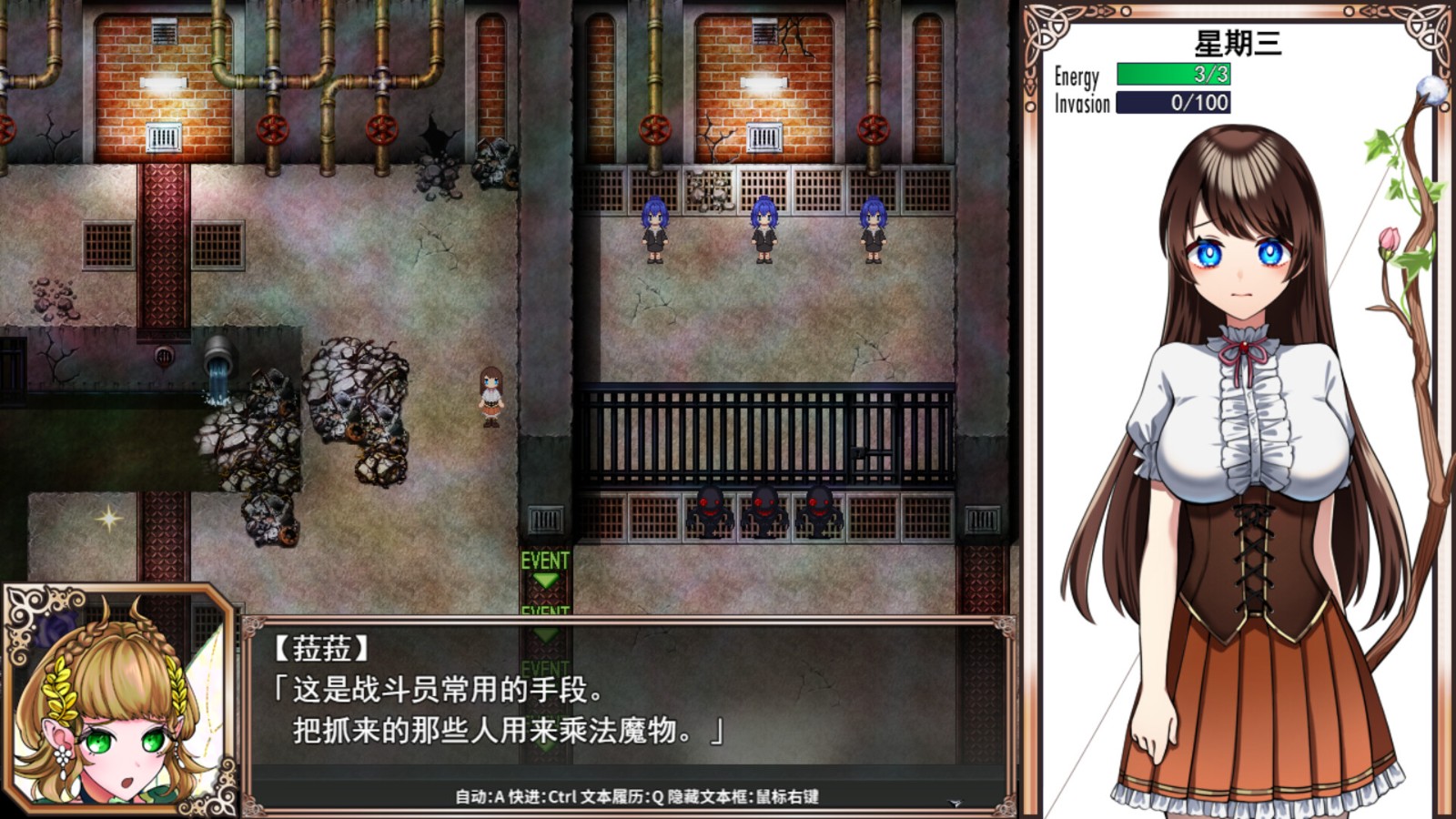
The world is presented as an explorable town with visible enemies on the map, interactable NPCs and multi-stage dungeons. Movement and exploration are intuitive: tap to move, open context menus to interact, and access local quests or side events by speaking with characters around town. Many events are tied to time and location, encouraging multiple playthroughs to see different scenes and unlockables.
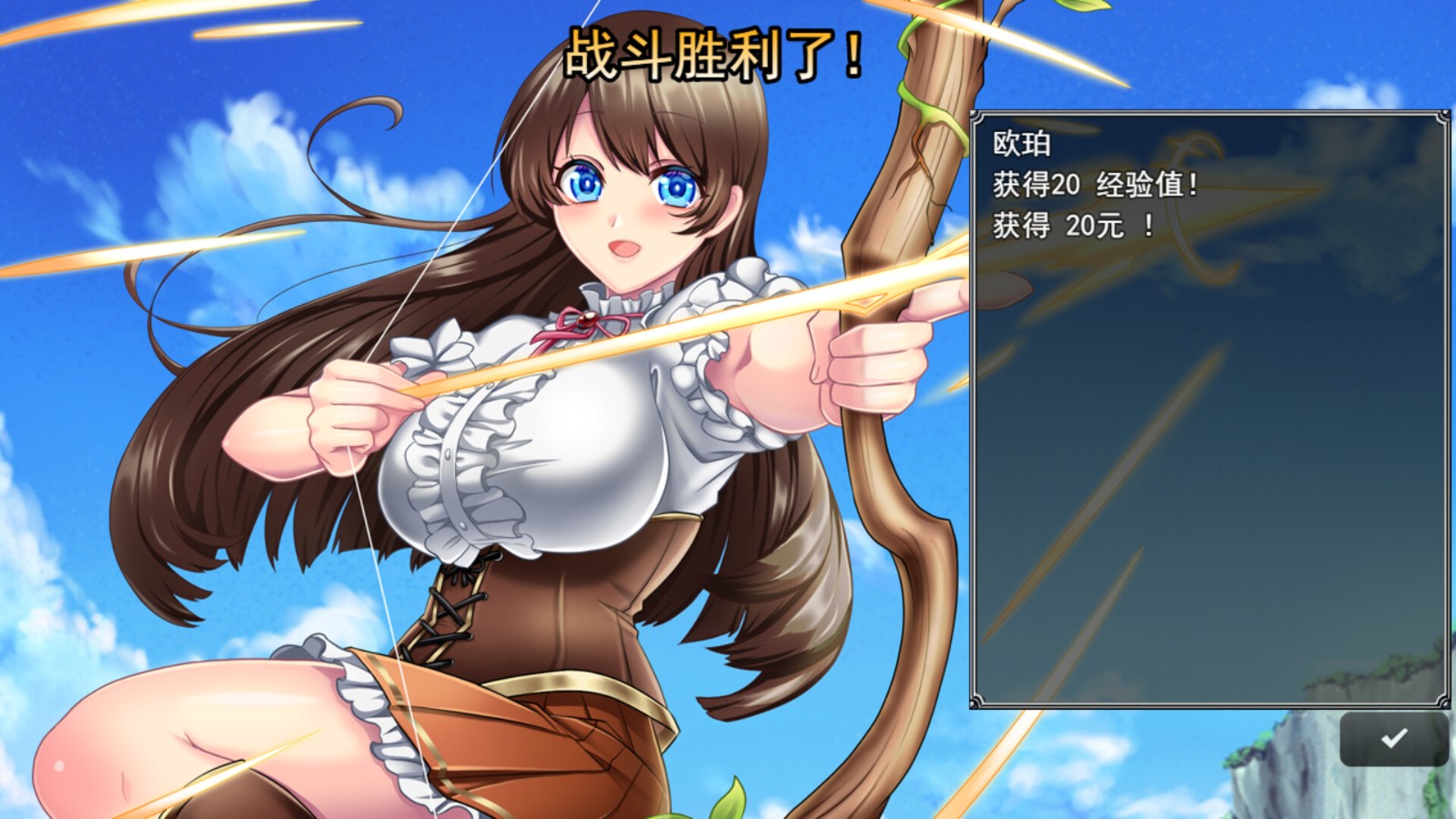
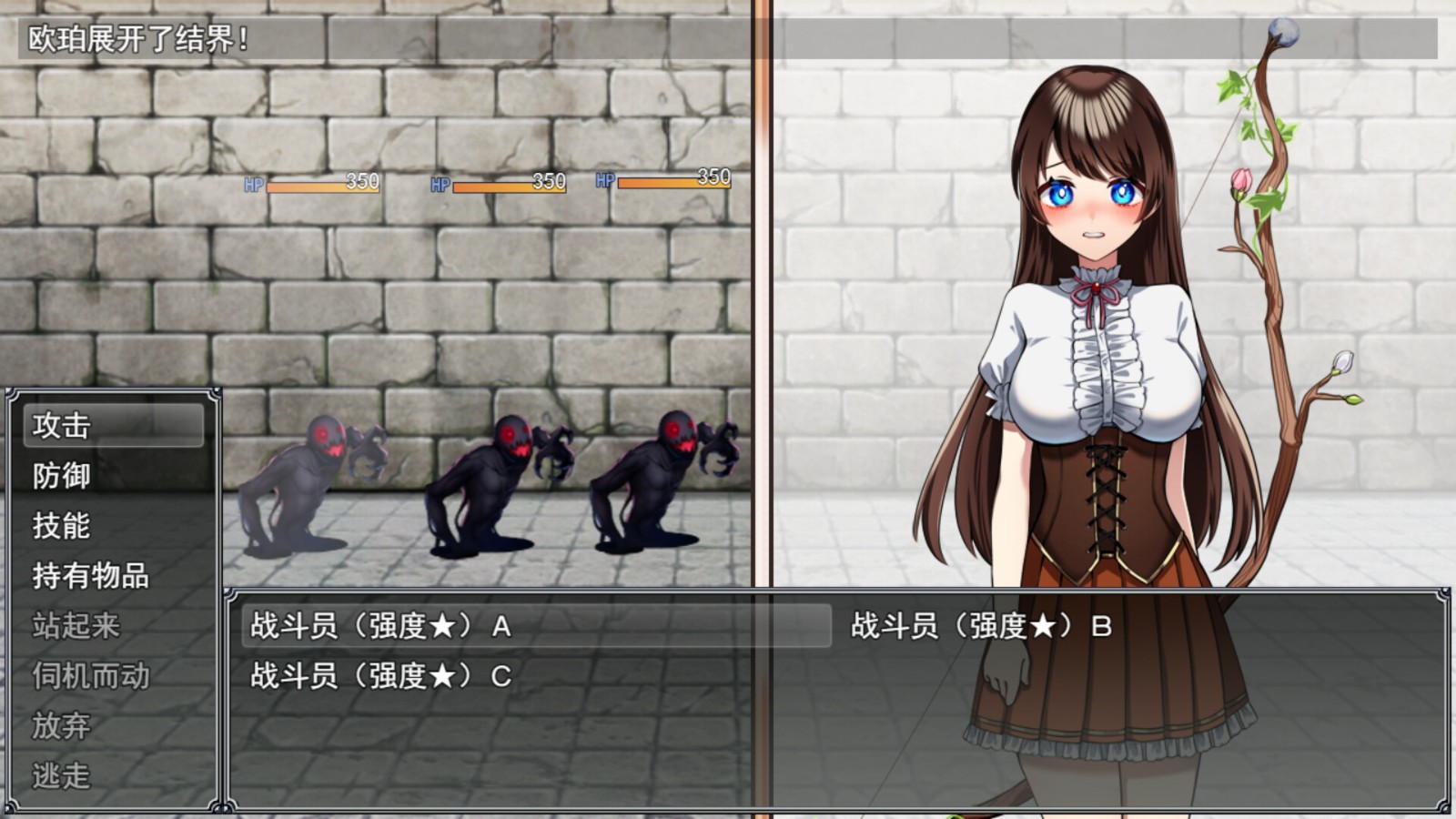
Combat is a turn-based system that emphasizes tactical setup and resource timing. Battles chain together defensive breaks, crowd control and finishing actions; the order and choice of skills will affect battle flow and subsequent story flags. A stamina meter and an invasion gauge introduce strategic trade-offs: actions drain stamina while certain activities increase an invasion level that changes enemy behavior and town responses when it reaches high values.
Social gameplay and daily-life systems play a core role in progression. Hikari can take on jobs, build relationships with NPCs and make choices that unlock alternative routes and rewards. These systems affect money, access to items and the sequence of events you encounter. Many narrative branches carry mature themes or difficult outcomes, and the game offers a gallery and unlock system so players can track what they have discovered without replaying every sequence from scratch.
Character progression is based on experience, skill upgrades and equipment choices. Leveling up improves base stats and unlocks new abilities while gear and consumables provide tactical options in combat. The game supports a straightforward control scheme tailored for touch devices: responsive on-screen commands for movement and menu navigation, clear skill icons during fights and a pause/menu system for planning between encounters. An auto-battle or quick-skip option for lower-difficulty content helps cut down on repetitive fights, while manual control remains important for the game’s tougher tactical challenges.
Customization extends to build choices rather than deep cosmetic systems; selecting different skill paths and equipment combinations meaningfully changes how Hikari performs in combat and which story branches remain accessible. The user interface emphasizes clarity: readable status displays for stamina, invasion and enemy states, logs for recent events and a progress overview that highlights active objectives and story flags.
The game pairs a stylized visual presentation with character-focused illustrations and environmental tiles for town and dungeon areas. Levels are structured in tiers: safe town areas for interaction and preparation, mid-range zones with roaming threats and deeper dungeons with multi-wave encounters and stronger foes. The invasion mechanic gradually alters level difficulty and town availability, creating a rising tension as players balance daily-life tasks against escalating threats.
Challenge is adjustable through difficulty options and in-game decisions that affect resource availability. Combat encounters reward tactical thinking, positional advantage and thoughtful resource management rather than button-mashing. Boss and special encounters are designed to test not only character strength but also your ability to adapt strategies when stamina and invasion pressures are high.
Replayability is a central design point: branching storylines, multiple endings and a variety of narrative consequences encourage multiple runs to discover different outcomes. An in-game gallery and progress tracker make it easier to revisit milestones without replaying every intermediate step. The title is playable offline once installed; no persistent online connection is required for the single-player experience, which helps with stability and consistent access.
Accessibility options include adjustable text sizes, icon clarity modes and difficulty presets to accommodate a range of player preferences. Content warnings are provided for mature themes so players can make informed choices about their experience. Save slots and a clear checkpoint system reduce frustration from longer sessions and allow flexible play across sessions.
Magical Girl Opal balances a narrative that contains mature, adult-oriented scenarios with tactical RPG mechanics and life-sim elements. Because some story branches address sensitive themes and contain mature content, the game is recommended for adult players who are comfortable with intense narrative consequences and branching outcomes. The design favors players who enjoy strategic turn-based combat integrated with a choice-driven story and multiple endings that reward exploration and repeated play.